Yellow Oleander
Campaigns Published















Campaigns Unpublished
No Content Unpublished
Scientific name
Cascabella thevetia
English Name
Yellow Oleander
Malayalam name
മഞ്ഞരളി
Common name
Lucky Bean
Description
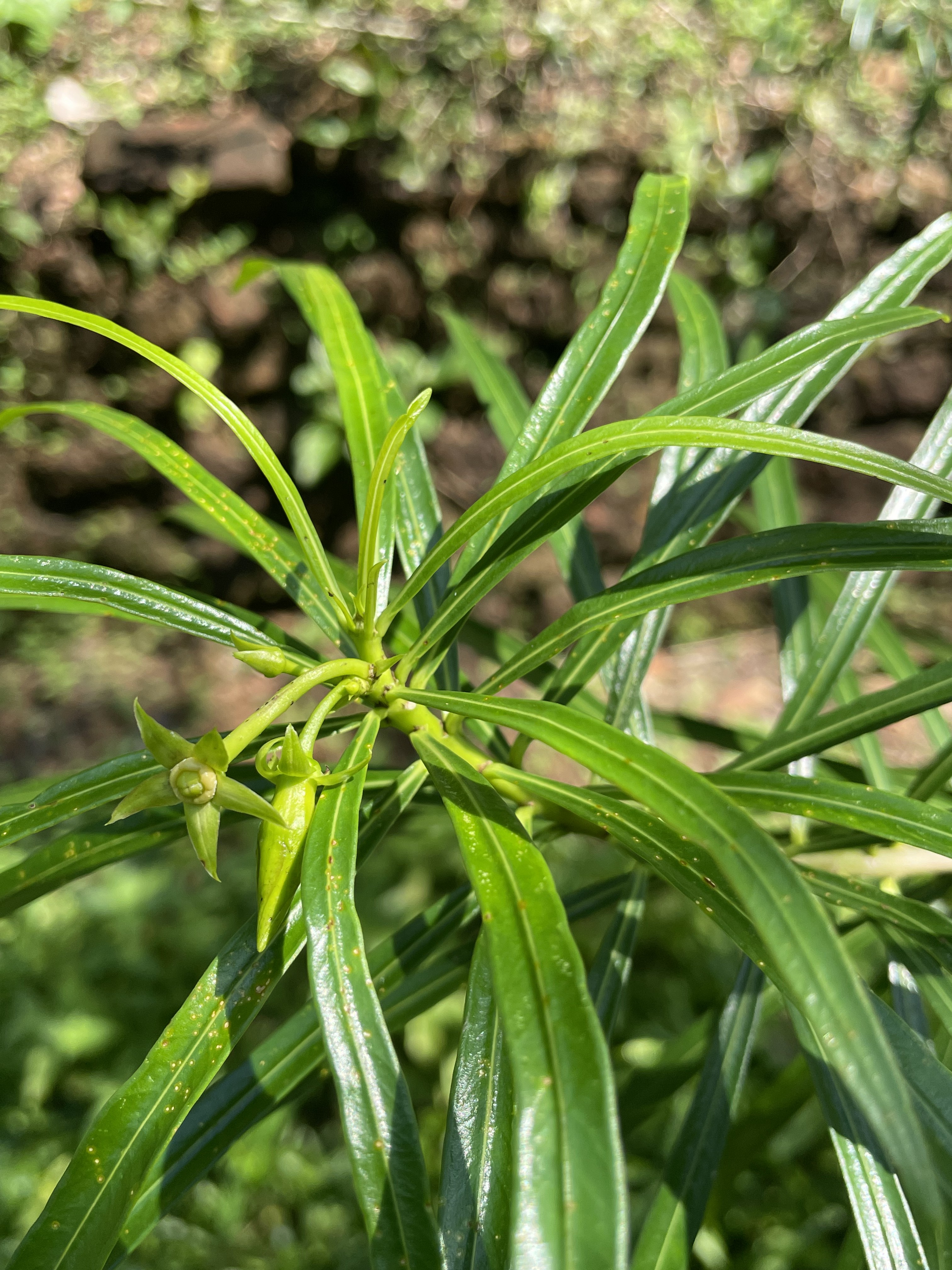
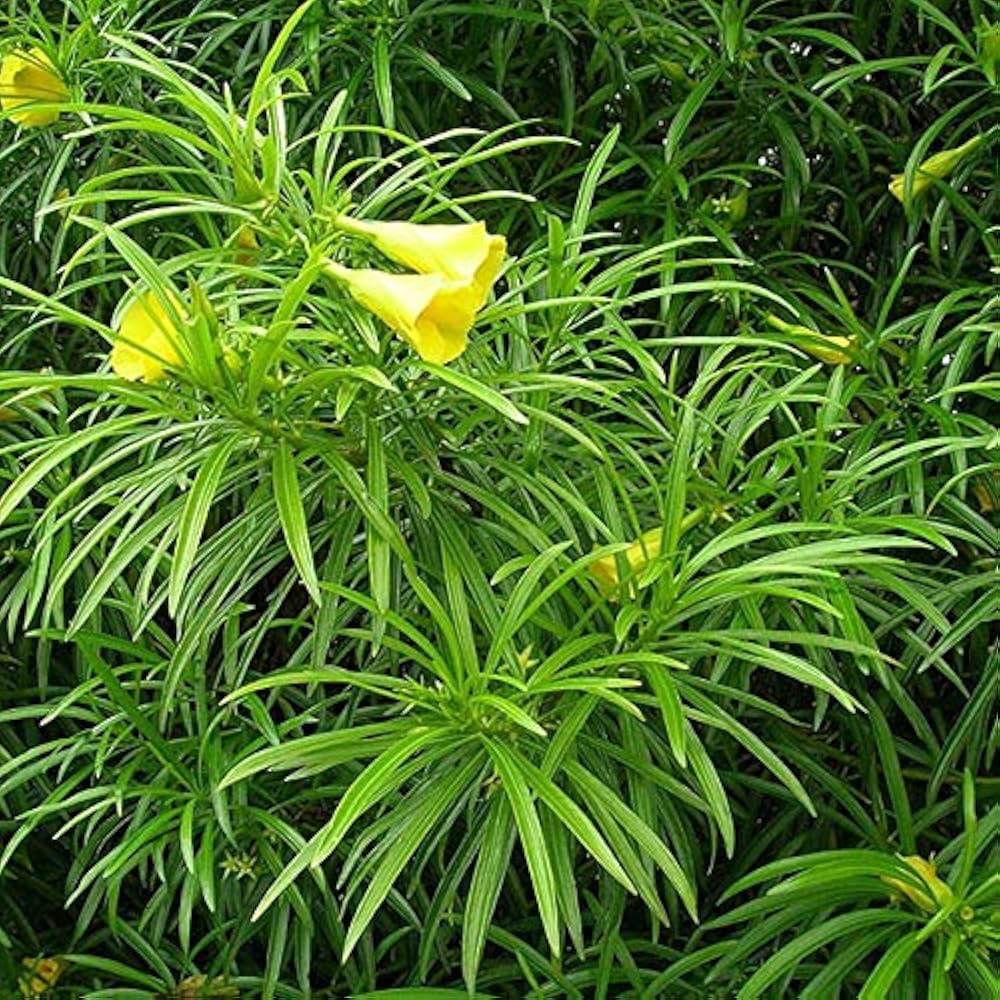
- Habit : Shrub
- Habitat : yards and roadsides
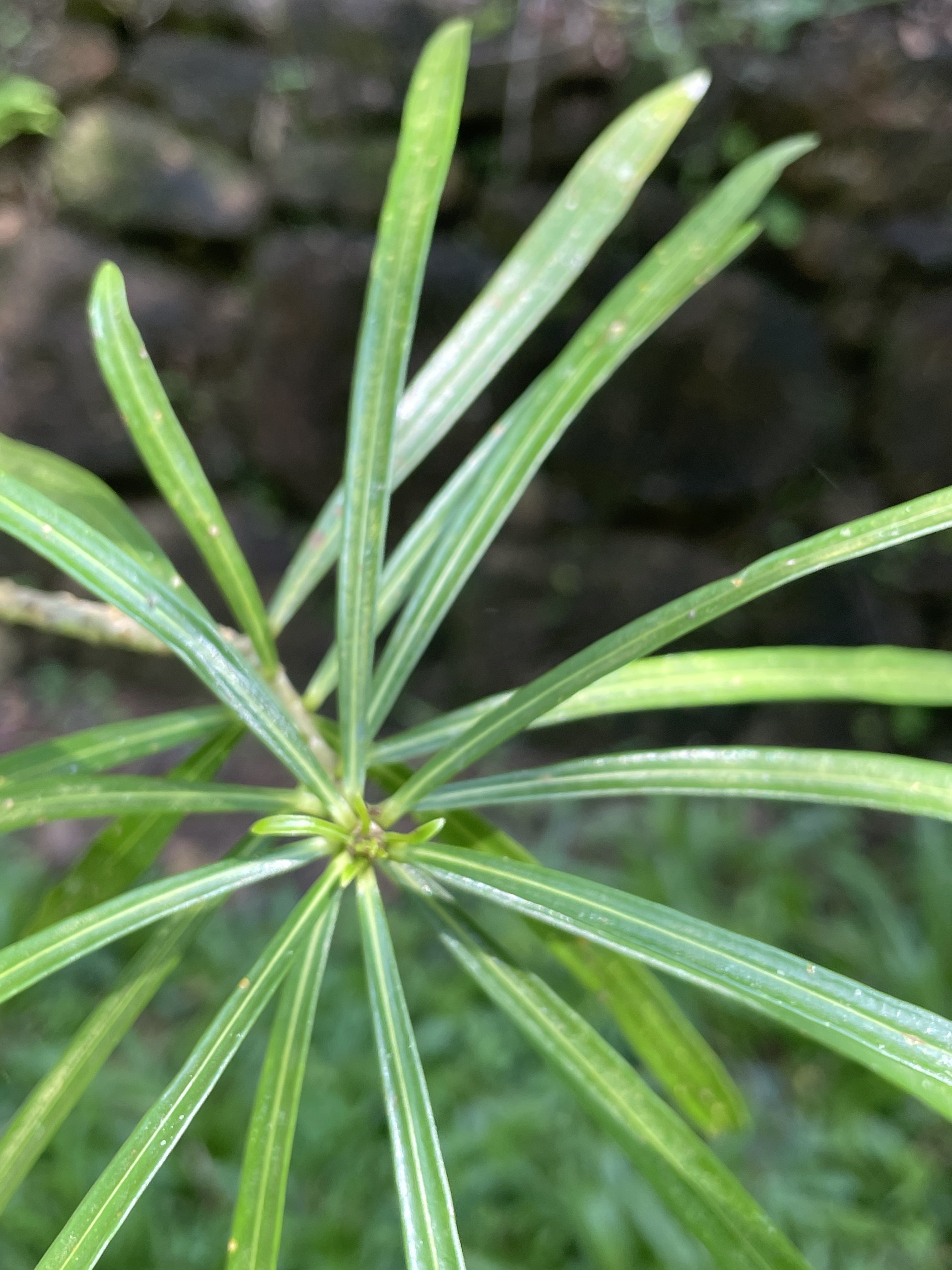
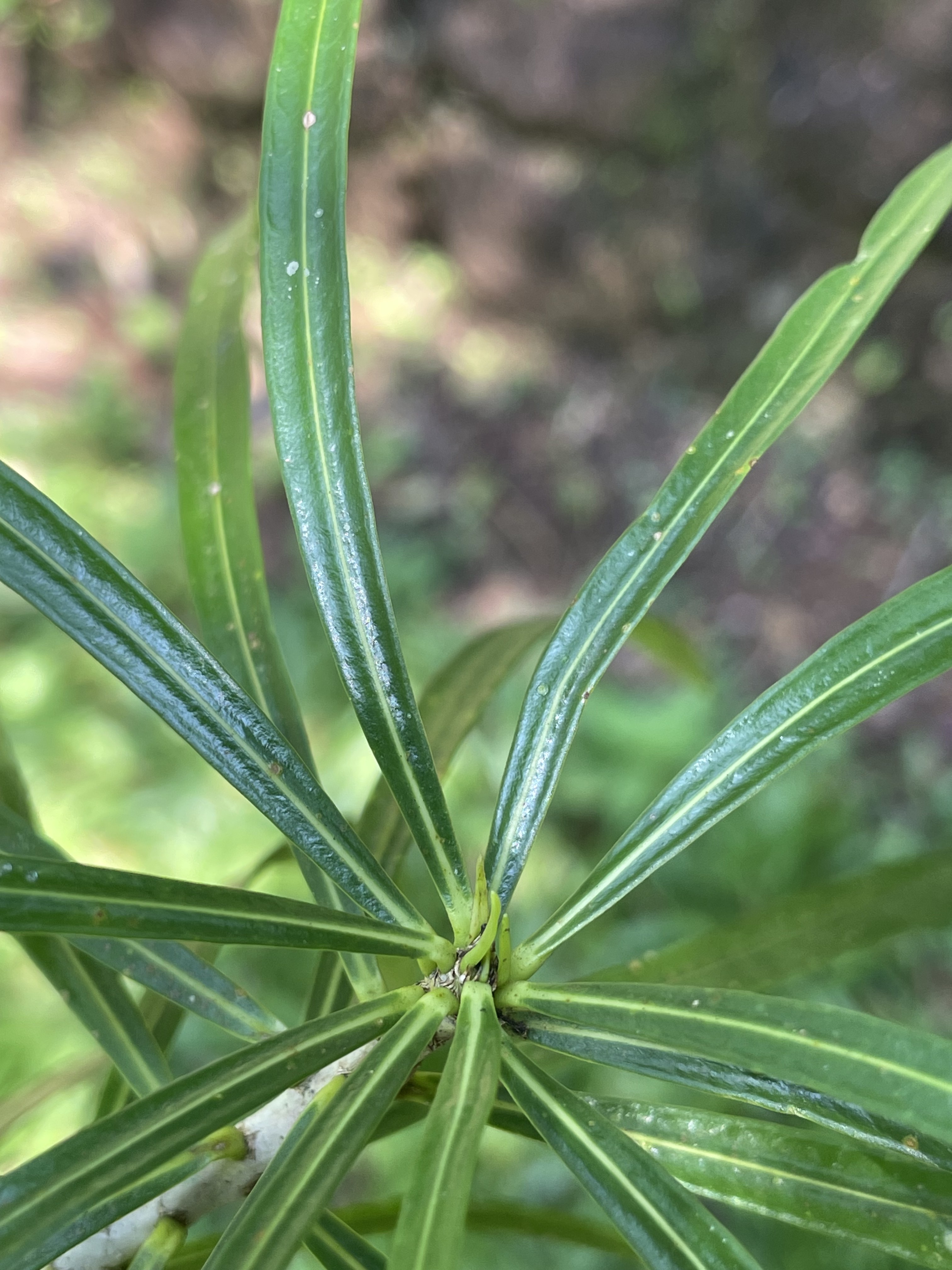
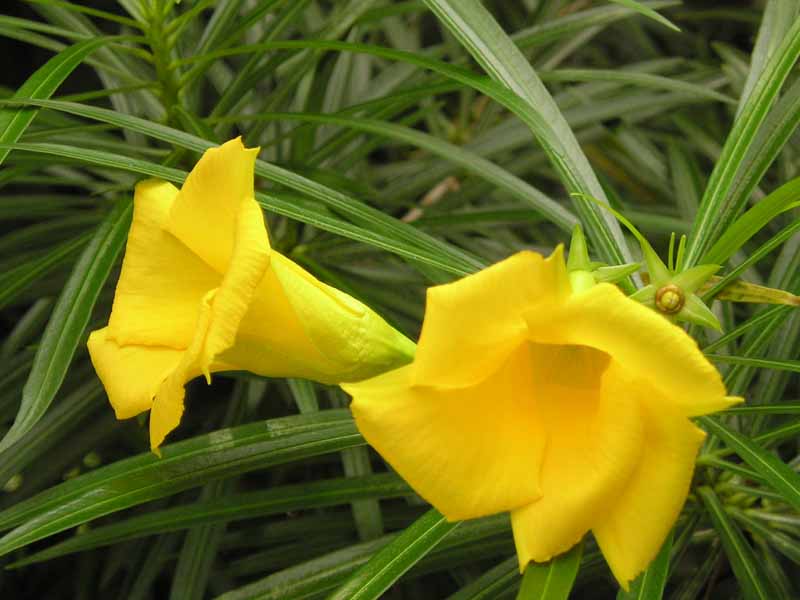
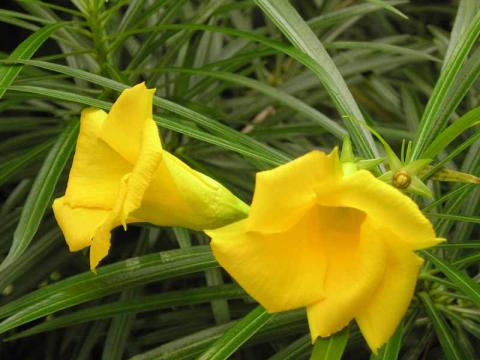
- Leaves : Oleander-like leaves mostly in whorls of three, long and narrow up to 10 inches long.
- Flowers : generally yellow, but there are varieties with white and orange flowers too
- Fruits : small, containing two to four flat seeds
Uses
Poisoness
Parts used
toxic
How to use
- Ornamental Uses : The plant is widely grown for its bright yellow (occasionally peach or orange) flowers and lush green leaves, making it a popular choice for gardens, parks, and roadside plantings due to its decorative appeal.
- Highly Poisonous : All parts of the plant, particularly the seeds, are toxic. They contain cardiac glycosides, which can cause severe poisoning if ingested, posing a significant risk to both humans and animals
- Medicinal Uses (with caution) : In some traditional medicine practices, Cascabela thevetia has been used, though with extreme caution, to treat certain conditions. The plant has been used in small doses to address heart issues or induce vomiting, but due to its high toxicity, such uses can be dangerous and should not be attempted without proper medical supervision
Conservation
Propagation & Cultivation
It can be propagated through seeds or cuttings. For cuttings, take a healthy stem and plant it in well-draining soil. Keep the soil moist until roots develop. Propagation is best done in the spring or early summer.Repot the plant every 2-3 years or when it outgrows its current container. Choose a pot that is slightly larger than the current one and ensure it has good drainage. Repotting is best done in the spring.