Woodfordia
Campaigns Published










Campaigns Unpublished
No Content Unpublished
Scientific name
Woodfordia fruticosa (L.) Kurz
English Name
Woodfordia
Malayalam name
താതിരി
Common name
Fire Flame Bush
Description
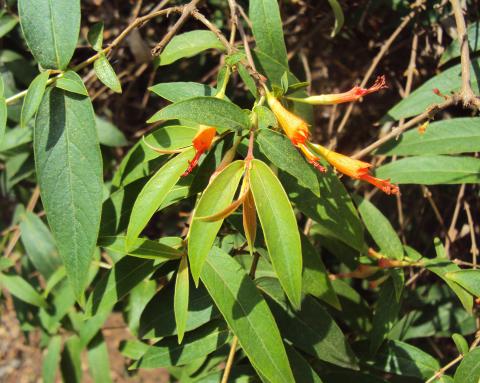
- Habit: A spreading, deciduous shrub with many fluted branches, growing up to 3,5 meters in height.
- Habitat: Commonly found in dry deciduous forests, rocky hillsides, and wastelands across India; it thrives in tropical and subtropical climates.
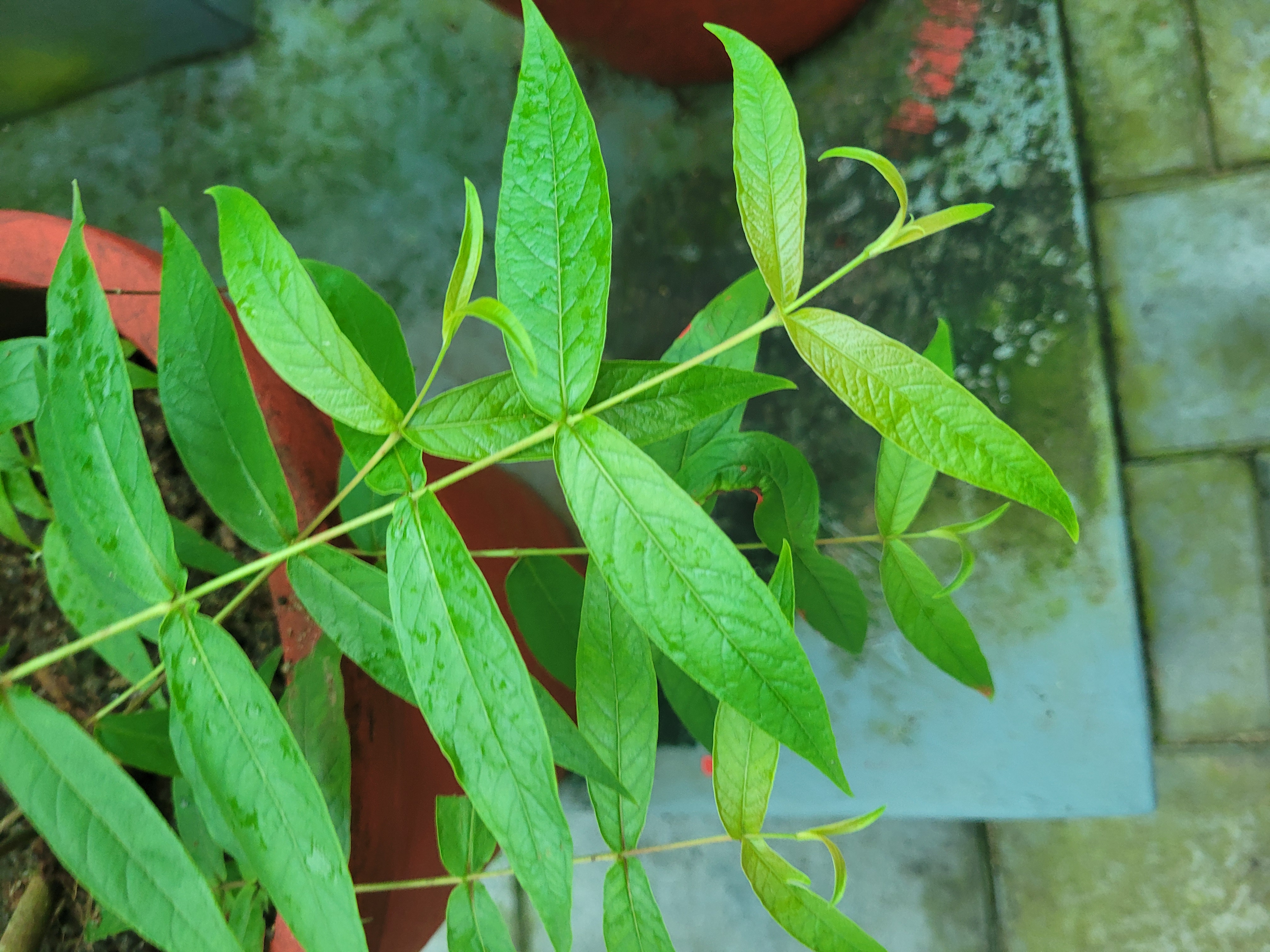
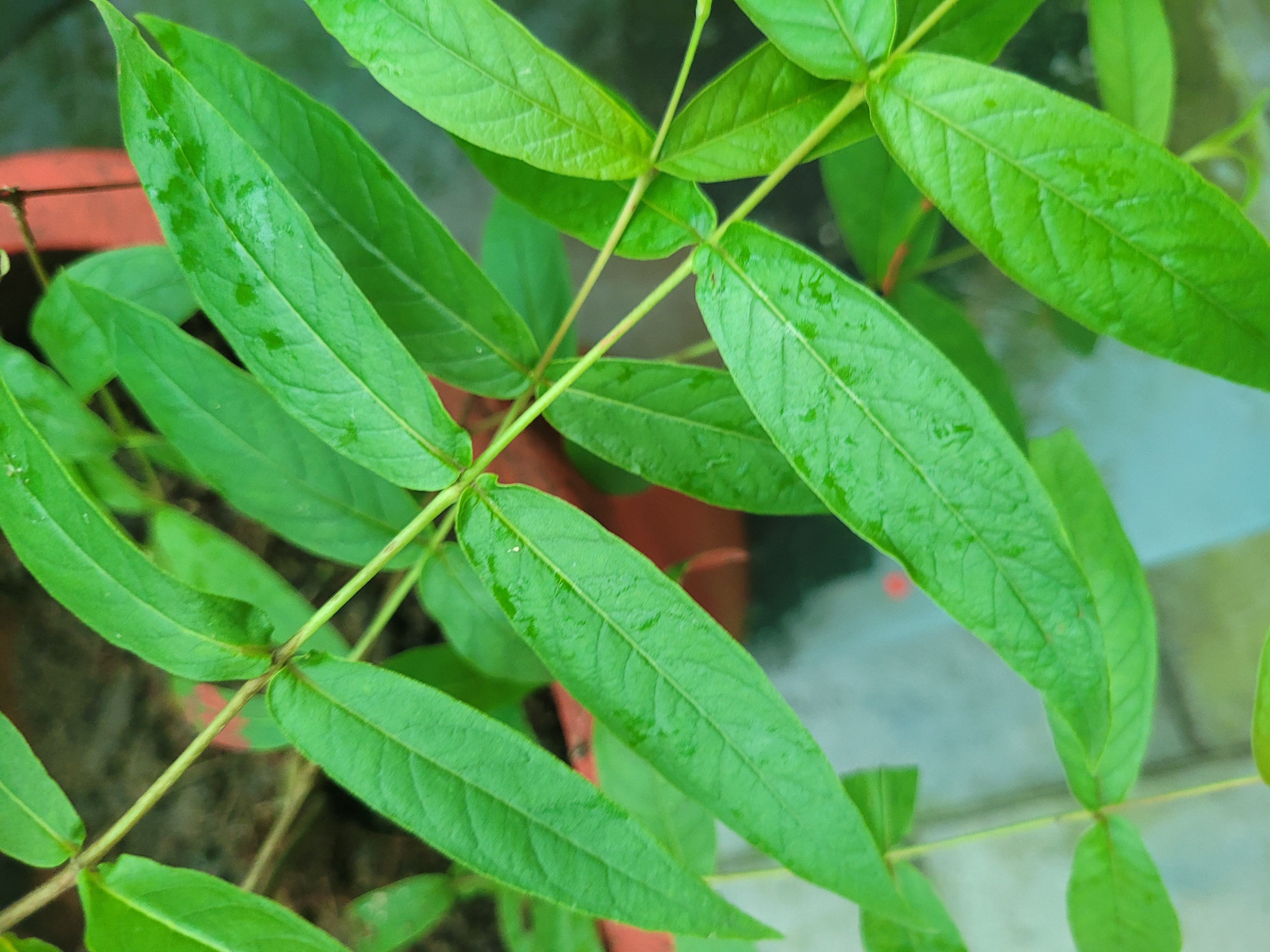
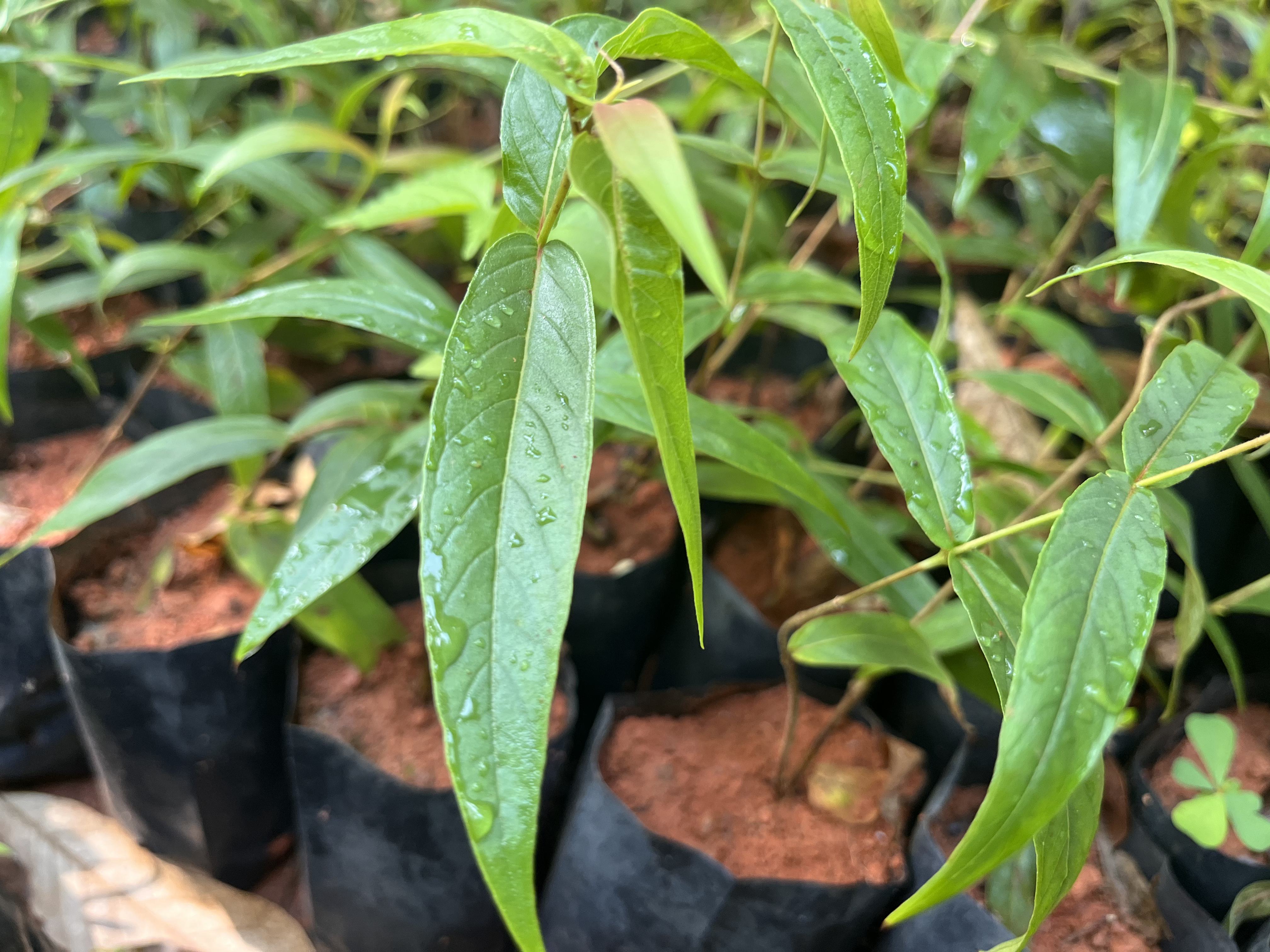
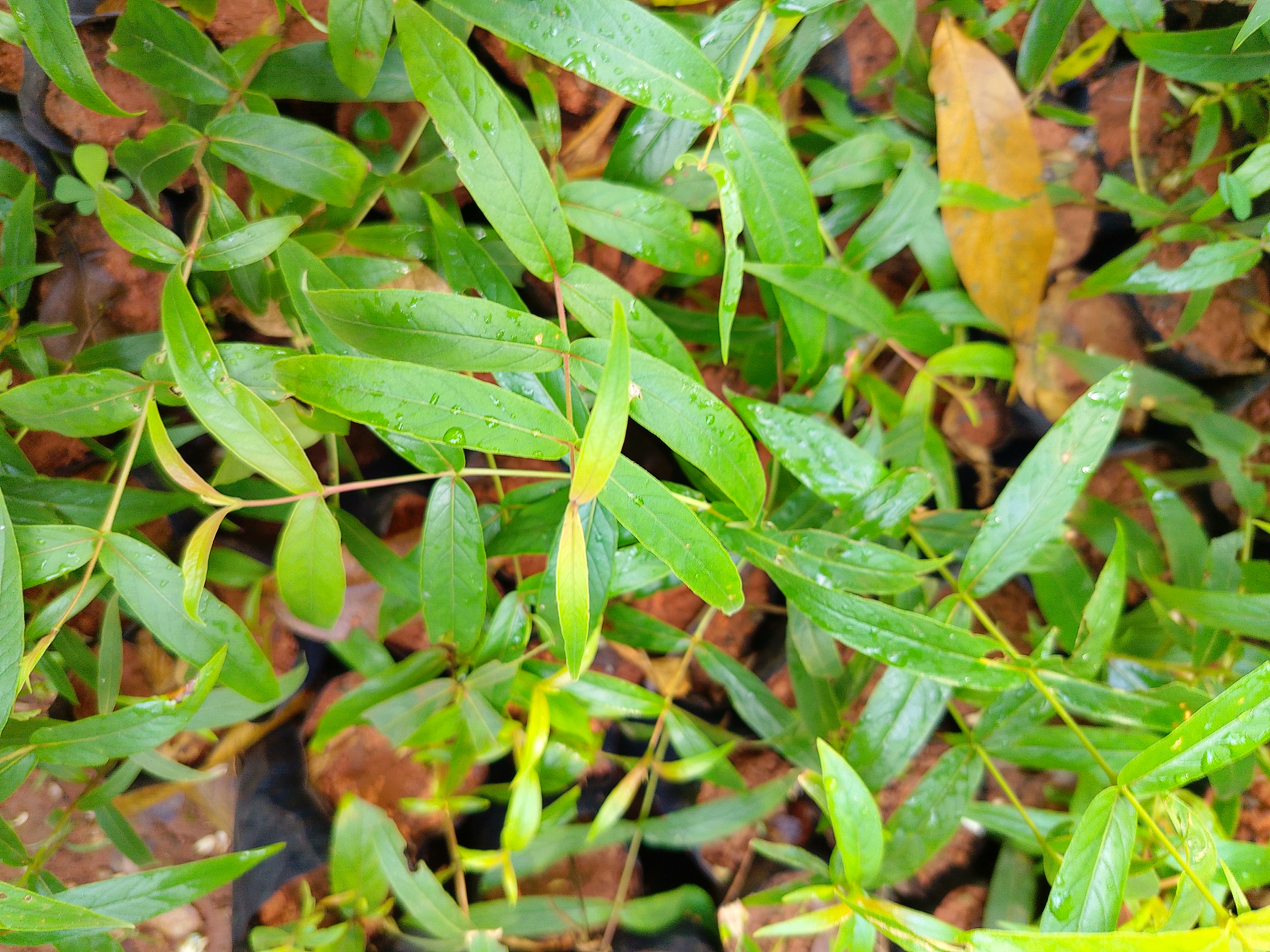
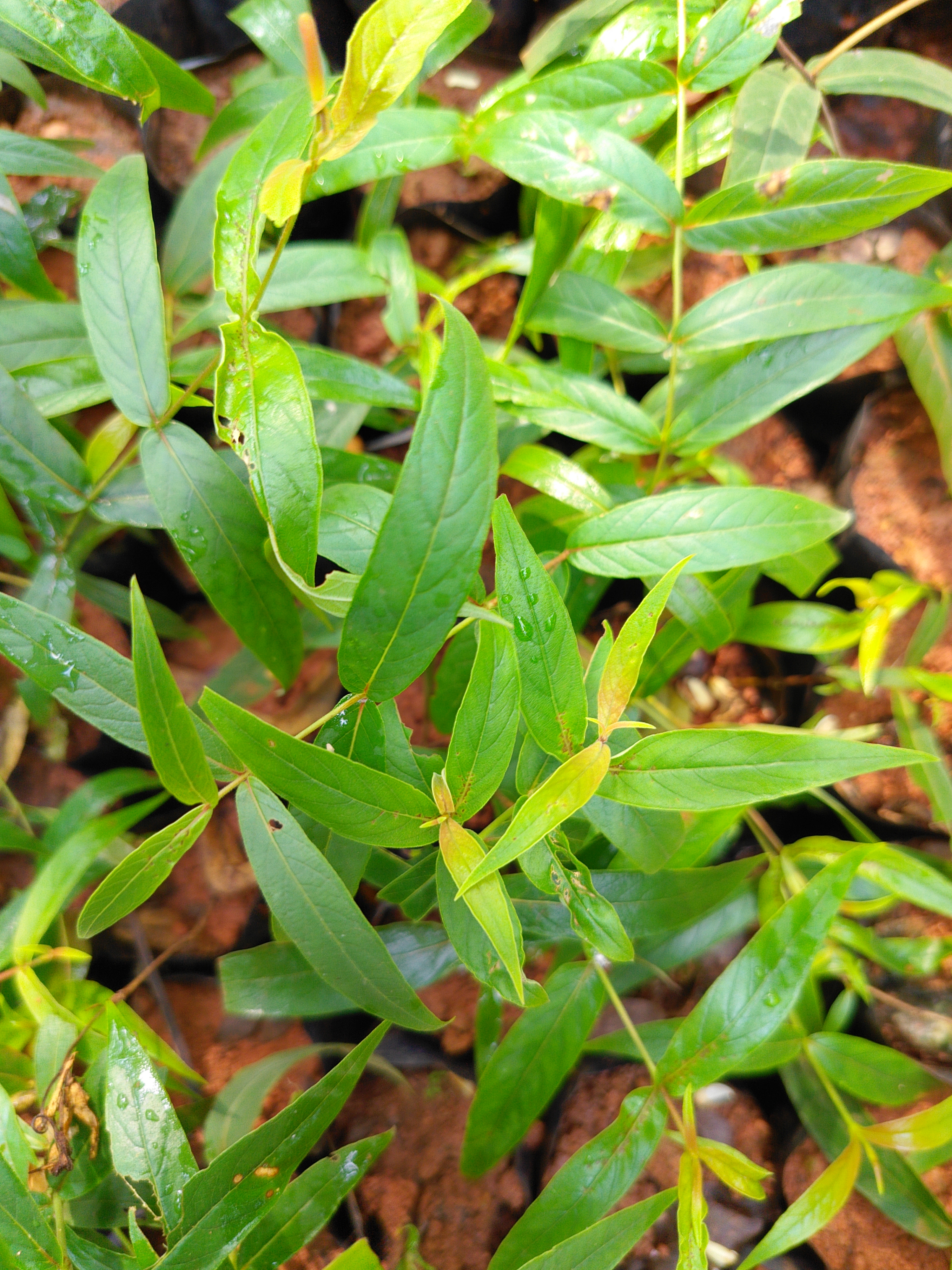
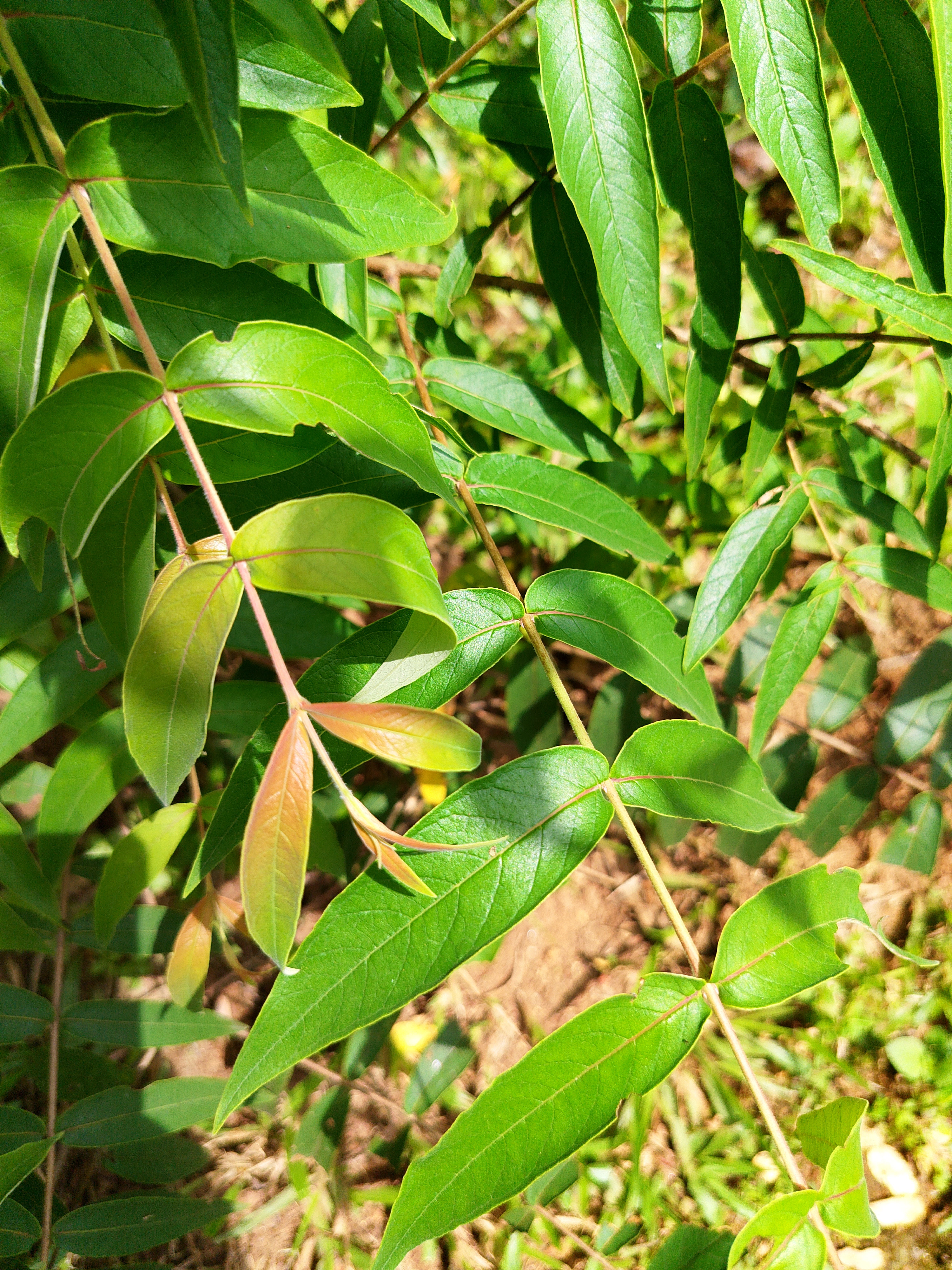
- Leaves: Opposite or sub-opposite, sessile, lance-shaped, and covered with small black glandular dots on the underside.
- Flowers: Brilliant crimson-red flowers that are tubular and slightly curved.
- Stem: Long, slender, spreading branches with reddish-brown bark that peels off in thin fibers.
Uses
Diarrhea, dysentery, fever, skin diseases, internal hemorrhages
Parts used
Flowers, leaves and bark
How to use
- Fermentation: The dried flowers are essential in Ayurveda because they contain natural yeast. They are added to herbal decoctions to initiate the spontaneous fermentation process required to make Arishtas.
- Wound Healing: Powdered dried flowers are often sprinkled over ulcers and wounds to reduce discharge and promote faster healing.
Propagation & Cultivation
Propagation: Thathiri can be propagated through seeds or stem cuttings.
Cultivation: Since the plant is naturally hardy, it grows well in poor, rocky soils.
Seeds: Seeds are tiny and have a relatively short viability period; they are usually sown in nursery beds during the onset of the monsoon.
Cuttings: Semi-hardwood cuttings about 15 to 20 cm can be treated with rooting hormones and planted in polybags during the rainy season.