White Cedar
Campaigns Published










Campaigns Unpublished
No Content Unpublished
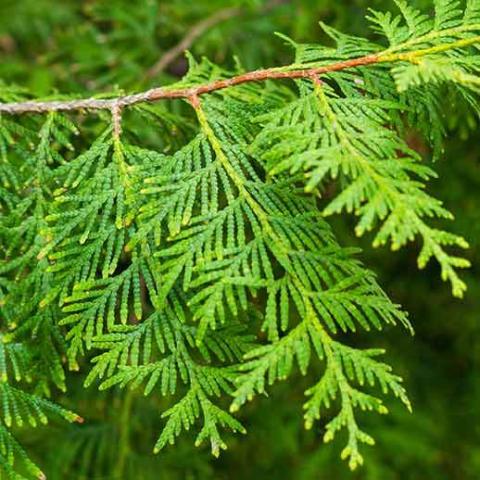
Scientific name
Thuja occidentalis L.
English Name
Northern white-cedar, Arborvitae
Malayalam name
തൂജ
Common name
White cedar
Description
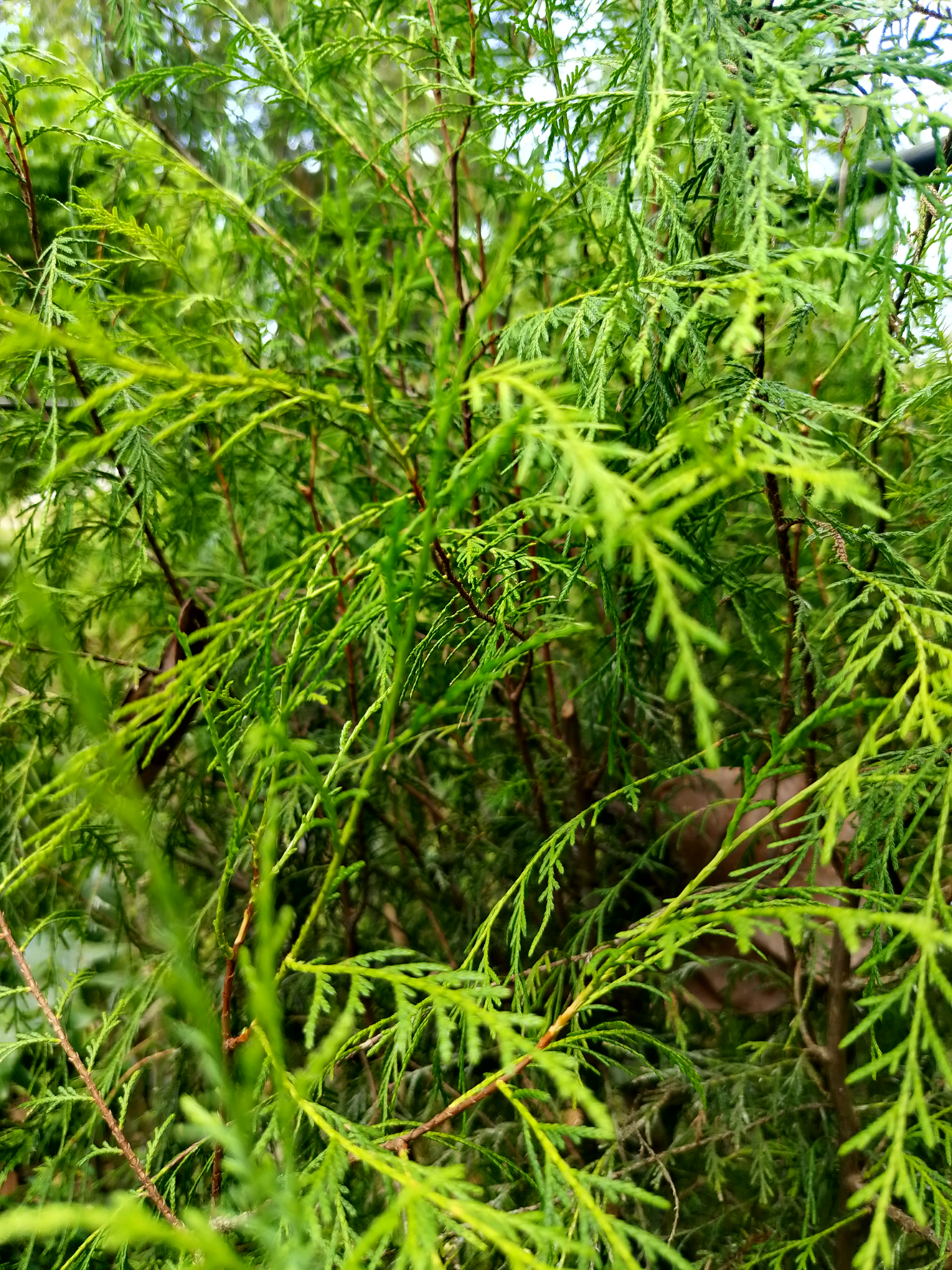
- Habit : Shrub
- Habitat : swamps, forests, lake and river shores, and rocky cliffs
- Leaves : opposite, scale-like with abruptly pointed tips
- Flowers : strobili, both borne on separate twigs or branchlets of the same branch
- Fruit : an egg-shaped cone, green to pinkish brown when immature, turning dark brown at maturity
Uses
Anti-fungal, Anti-bacterial,fever,cold and toothache
Parts used
Leaves
How to use
- Cough and Cold : Few drops of thuja oil is dropped over the warm water and inhaled.This helps to reduce the repeated episodes pf cold,cough and nasal congestion.
- Sneezing, Nasal Congestion : Fully developed white cedar leaf is collected and by adding ginger juice paste is made.This is applied over the forehead or to the edges of the nose.this helps to relieve the nasal congestion and sneezing.
- Acne,warts : Both turmeric and Arbor vitae leaves are taken in equal quantity and fine paste is made.This is applied over the warts,acne,skin scar.
Conservation
Propagation: Thooja is primarily propagated through semi-hardwood cuttings or seeds.
Cultivation:Cuttings,Cuttings of 10 to 15 cm are taken from healthy branches during the monsoon or early spring. Using a rooting hormone can increase the success rate.Planting, They prefer well-drained, moist soil. While they can tolerate partial shade, they grow best in full sunlight to maintain their dense foliage.