Ponmudi thottea
Campaigns Published










Campaigns Unpublished
No Content Unpublished
Scientific name
Thottea ponmudiana Sivar.
English Name
Thottea ponmudiana
Malayalam name
പൊന്മുടി തോട്ടിയ.
Common name
Ponmudi Thottea
Description
- Habit : Shrub
- Habitat : Southern Western Ghats; endemic to the Ponmudi Hills near Thiruvananthapuram, Kerala
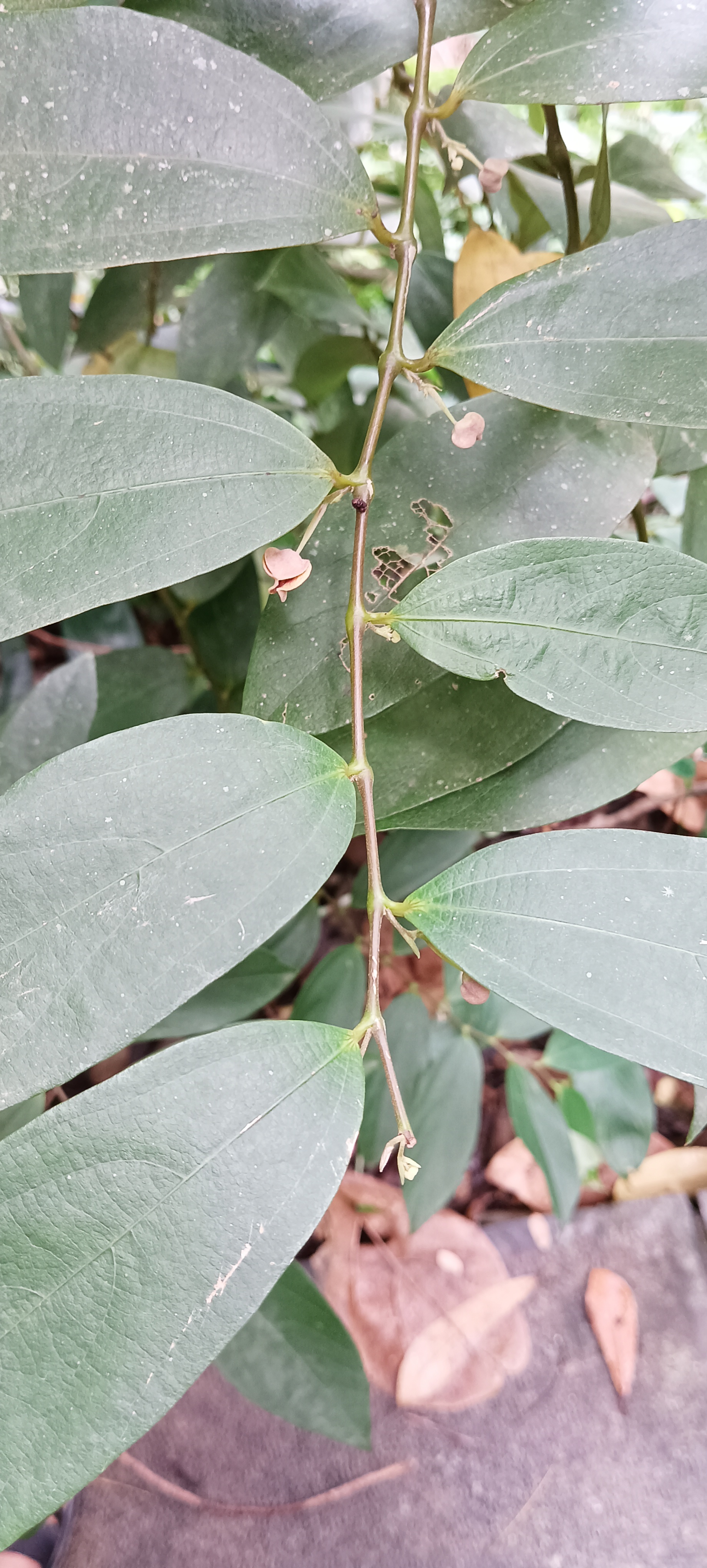
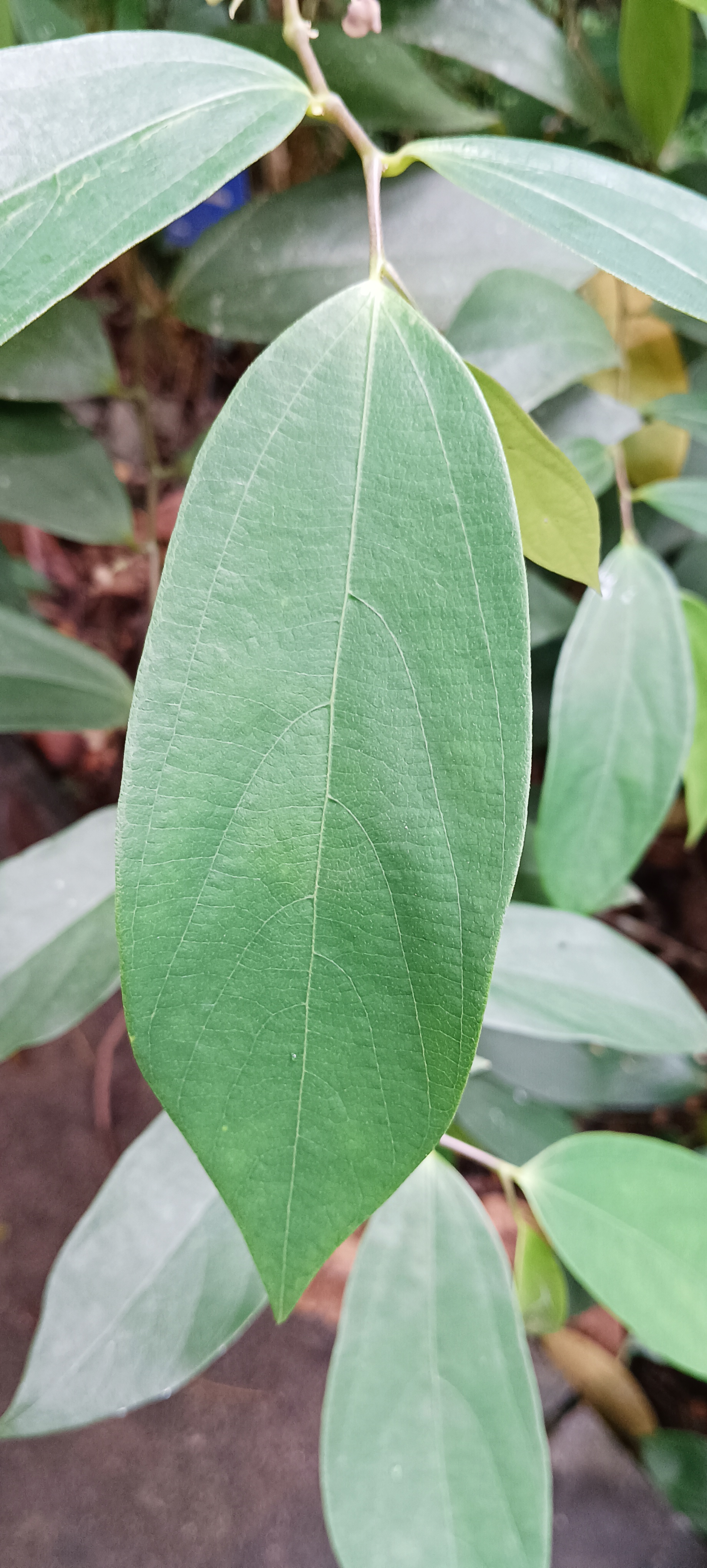
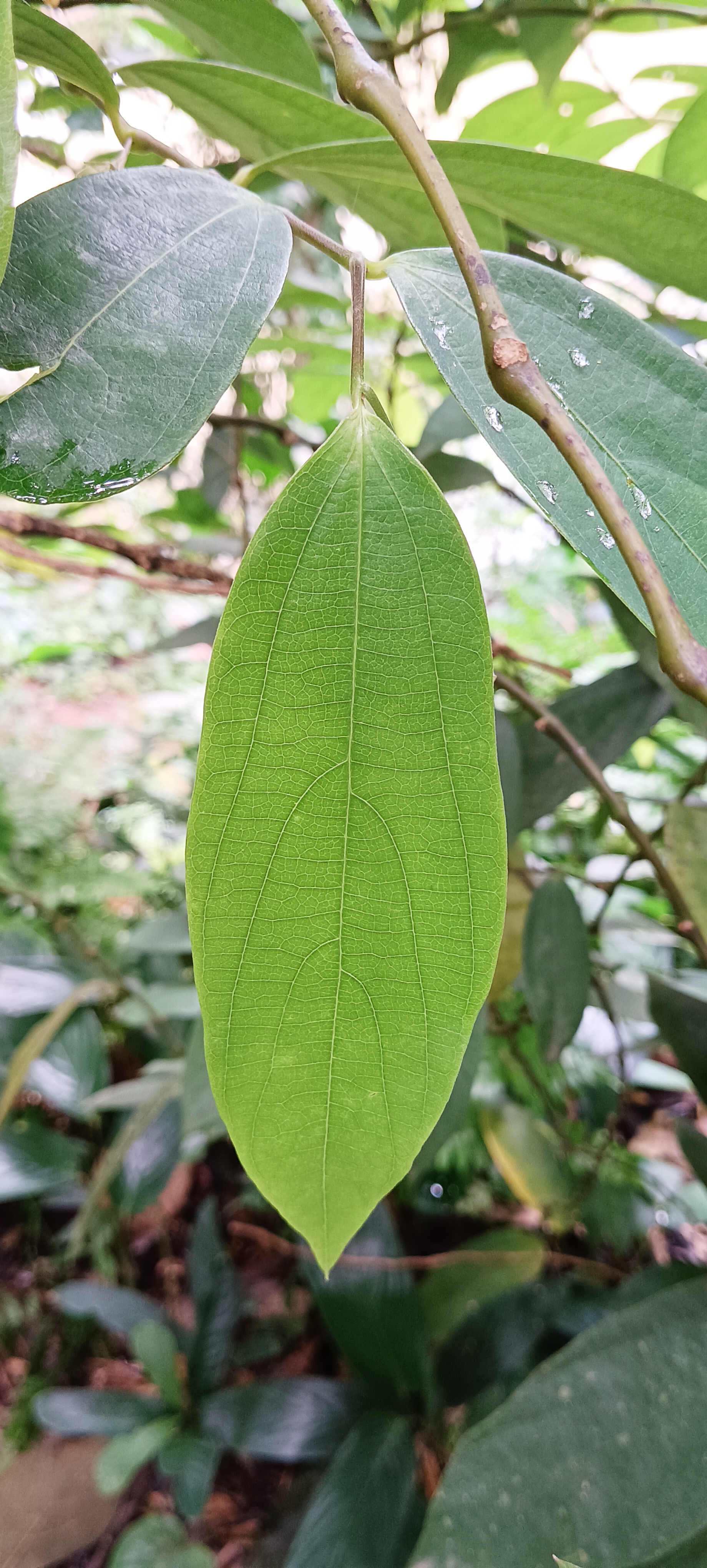
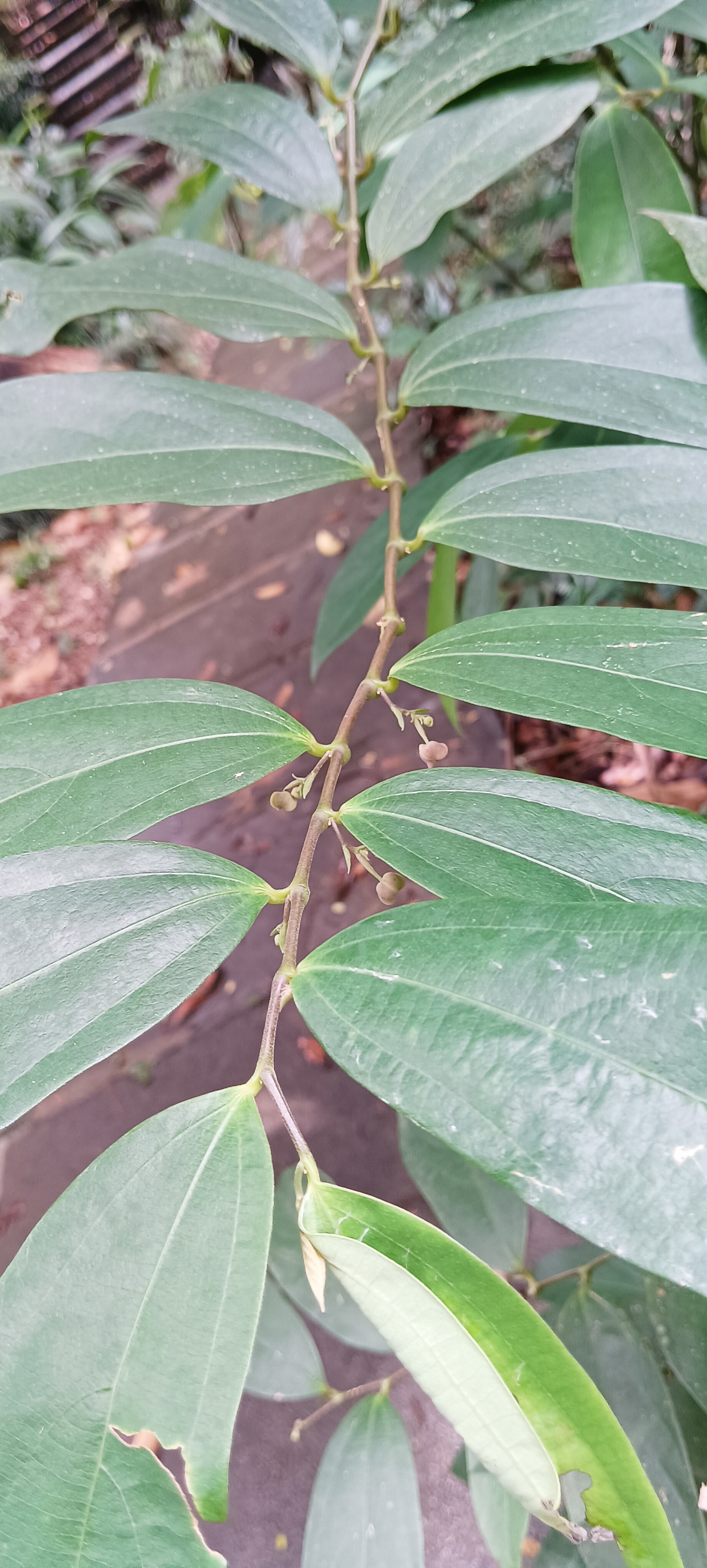
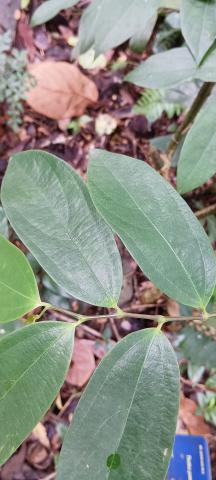
- Leaves : Alternate, elliptic-lanceolate to inverted-lanceolate, entire margins, slightly papery, shining green; upper surface sparsely hairy and granulate, lower surface densely granulate, finely velvety and prominently net-veined
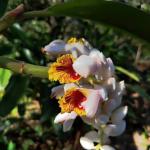
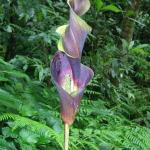
- Flowers : Yellow with dark purple eyes, borne in leaf axils in nodding cymes, lobed to the base with 3 broadly rounded tepals and strongly reflexed margins
- Stems : Woody, arching branches with swollen nodes
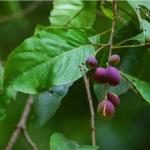
- Fruit : Capsule 7–9 cm long, green, later hairless and sharply four-angled; seeds many, trigonous and rugose
Uses
Inflammation,Skin infections,Snake bites
Parts used
Leaves,Root
How to use
- Essential oil : Fresh leaves are used to obtain essential oil or methanolic extracts for testing against bacteria.
- Skin infection : The plant (often the root or leaves) can be ground into a paste for external application on skin, wounds, or swollen areas.
Conservation
Propagation & Cultivation
It is a tropical plant that prefers moist, well-drained soil in a sunny location. Propagation is best done by division in the spring or fall when the plant is actively growing.