Indian Beech
Campaigns Published










Campaigns Unpublished
No Content Unpublished
Scientific name
Pongamia pinnata (L.) Pierre
English Name
Indian beech
Malayalam name
ഉങ്ങ്,പുങ്ക്
Common name
Indian beech
Description
- Habit : Tree
- Habitat : grows in tropical and sub tropical regions
- Leaves : Glossy, deep-green, odd-pinnate compound leaves
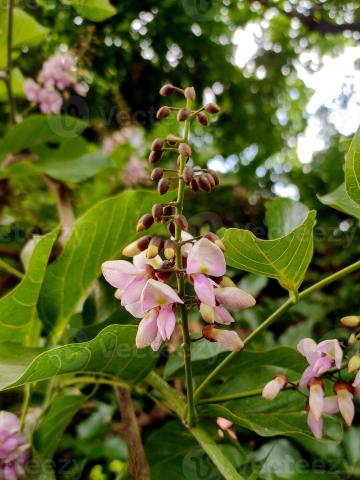
- Flowers : Fragrant, pea-like flowers ranging from white to pink and light purple
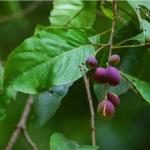
- Fruits & Seeds : Woody, thick, oblong flat pods containing 1–2 oil-rich seeds
Uses
Skin health, Oral care and Gastrointestinal problems
Parts used
Seed, stem ,leaf
How to use
- Skin Health : The seed oil is applied topically to treat eczema, psoriasis, scabies, and ulcers.
- Oral Care : Young twigs and stems are traditionally chewed as natural toothbrushes to clean teeth and soothe bleeding gums.
- Gastrointestinal & Respiratory Relief : Leaf juices are prepared to address digestive issues like diarrhea or bloating, as well as chronic coughs and bronchitis
Conservation
Propagation & Cultivation
It is easily propagated through seeds or stem cuttings, with optimal seed germination achieved by soaking them in water for 24 hours before sowing in well-draining soil. It is a highly resilient, sun-loving tree that thrives in tropical climates, tolerating temperatures up to 50°C and poor, rocky, or saline soils. Once established after regular watering in its first year, this drought-tolerant tree requires minimal maintenance and fixes its own nitrogen, making it ideal for wasteland reclamation and avenue planting.