Madras Thorn
Campaigns Published















Campaigns Unpublished
No Content Unpublished
Scientific name
Pithecellobium dulce
English Name
Madras Thorn
Malayalam name
മാനിലപ്പുളി
Common name
Manila Tamarind,Jungle Jalebi
Description
- Habit : Tree
- Habitat : poor, sandy, rocky, alkaline, or heavily saline soils
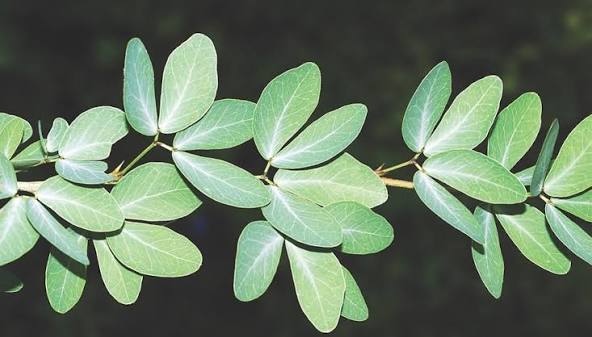
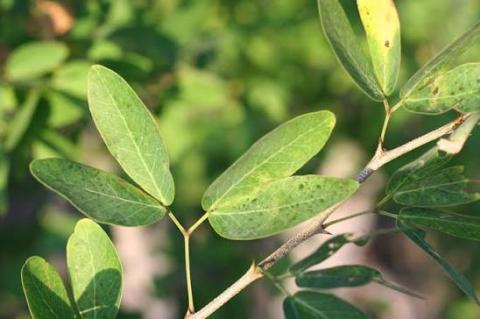
- Leaves : distinctive bipinnate leaves containing two pairs of small, oval leaflets.
- Flowers : small, slightly fragrant, greenish-white or cream-coloured flower heads arranged in terminal spherical clusters
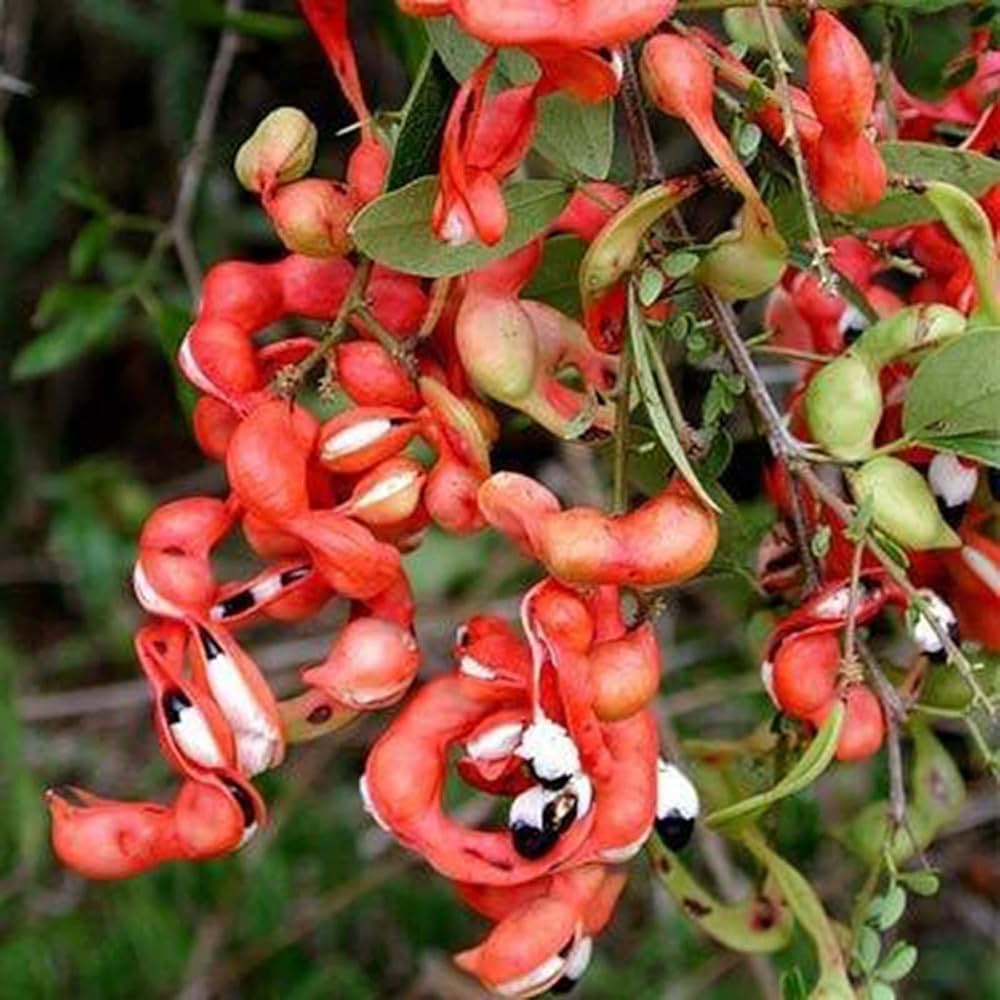
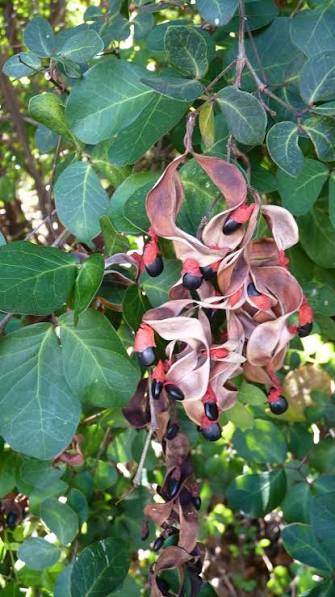
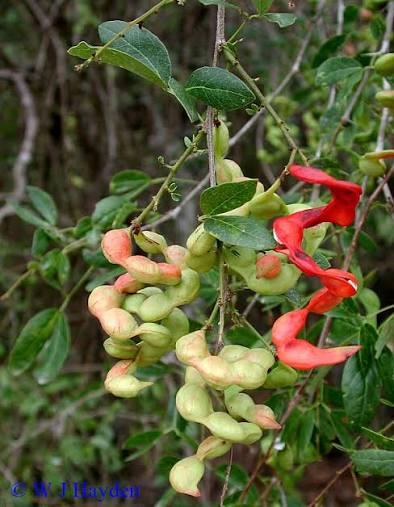
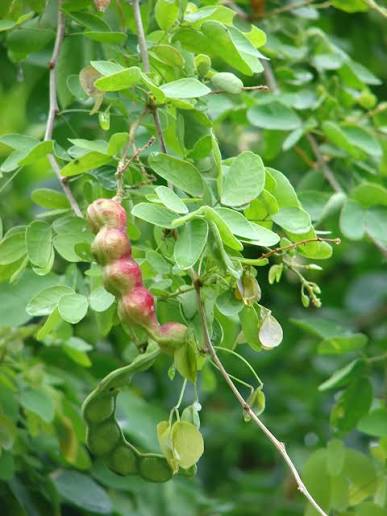
- Fruits & Seeds : Bears flattened, curved pods that coil like spirals
Uses
Pain, Inflammation, Indigestion
Parts used
Bark,roots,leaves
How to use
- Pain and swelling : The crushed leaves or a decoction made from them are often applied to alleviate joint pain, swelling (edema), and skin blemishes.
- Digestion and Nervous System : Leaf extract has traditionally been used to provide relief from indigestion, epilepsy, and internal pain.
- Immunity and Nutrition : Its fresh, edible pulp is rich in Vitamin C and essential polyphenols; this helps boost immunity and combat oxidative stress.
Conservation
Propagation & Cultivation
Pithecellobium dulce propagates effortlessly via seeds or stem cuttings and thrives under minimal cultivation care. Fresh seeds require no pre-treatment and germinate within 1 to 2 weeks when sown in well-draining soil, while semi-hardwood cuttings strike root easily in moist media. Cultivation demands full sunlight and hot tropical temperatures (20–40°C) for optimal development. Once established, this nitrogen-fixing tree is extremely drought-tolerant and resilient, flourishing in poor, sandy, or alkaline soils with little to no watering or fertilization.