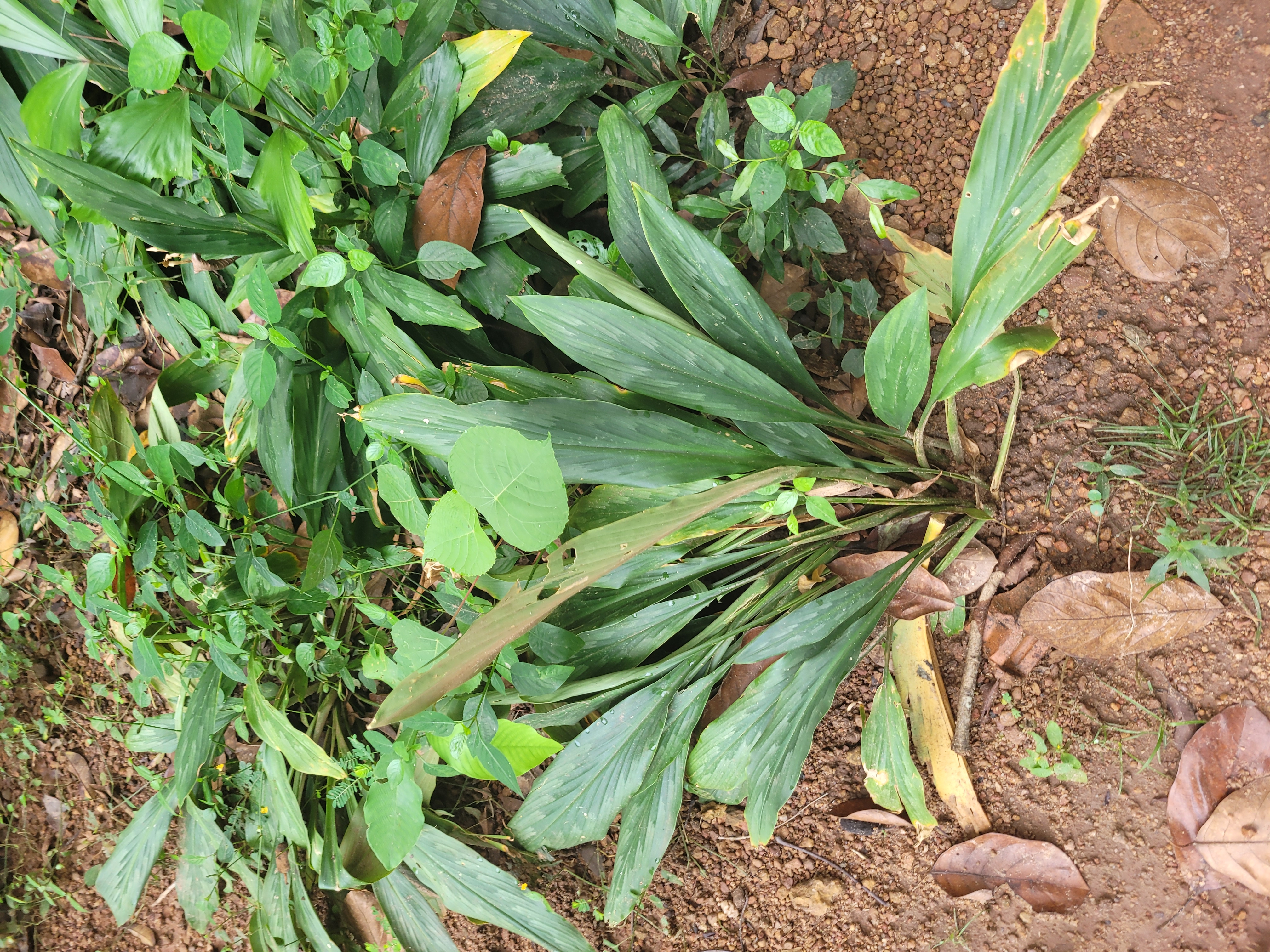
Peacock Ginger
Campaigns Published















Campaigns Unpublished
No Content Unpublished
Scientific name
Kaempferia rotunda L.
English Name
Peacock Ginger
Malayalam name
ചെങ്ങനീർ കിഴങ്ങ്
Common name
Indian Crocus
Description
- Habit : Herb
- Habitat : Thrives in shady, moist tropical environments and the undergrowth of forests.
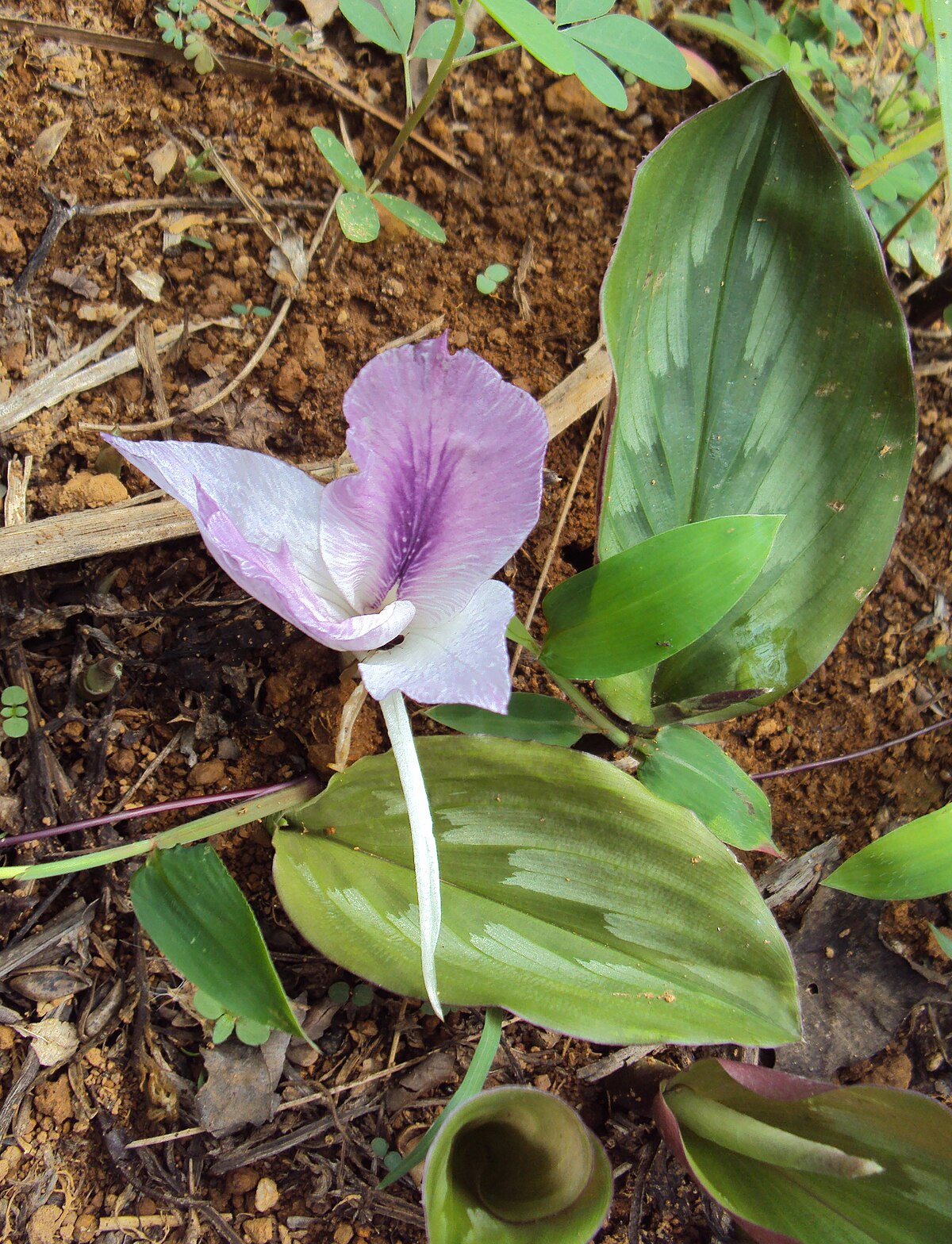
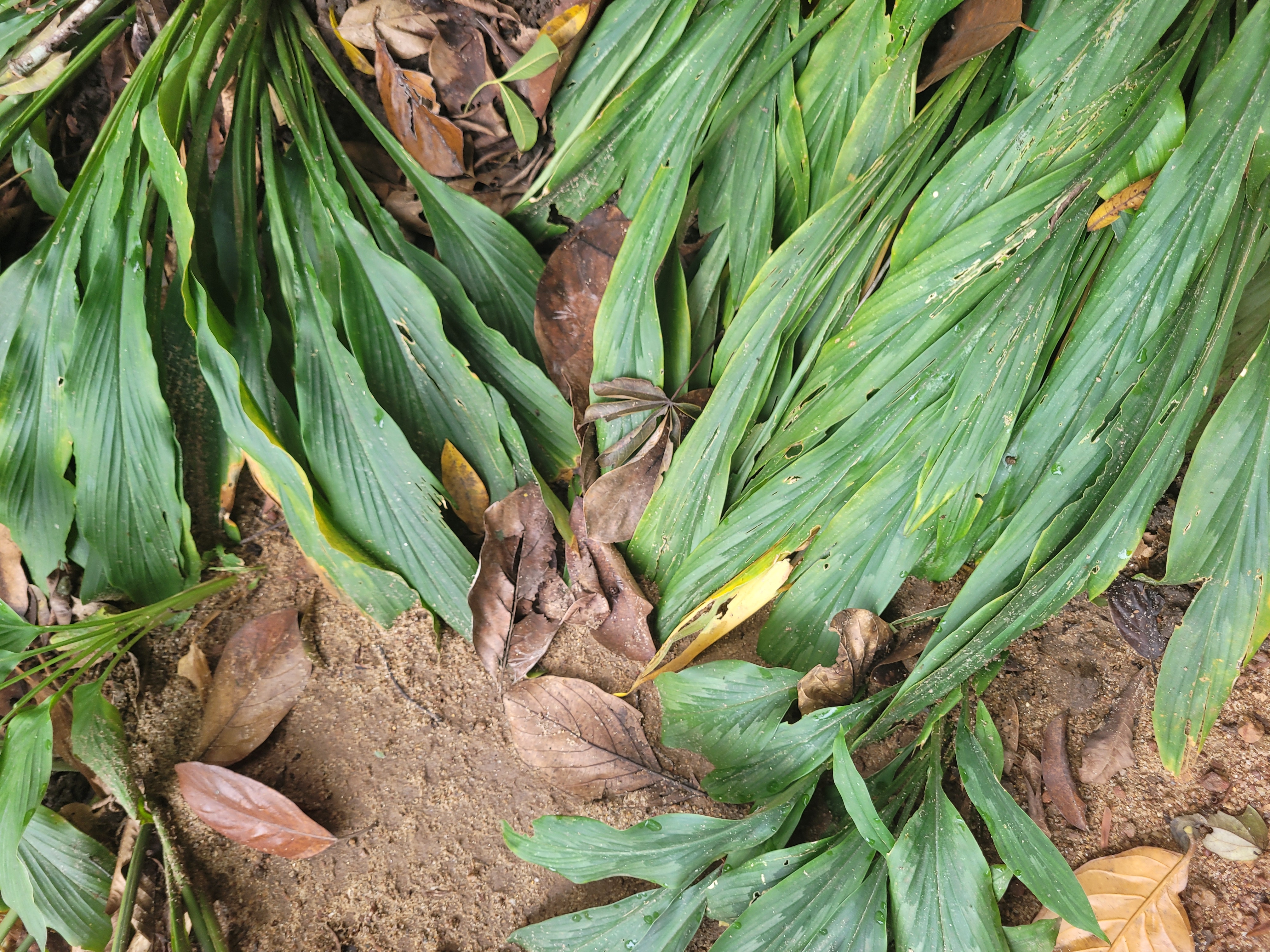
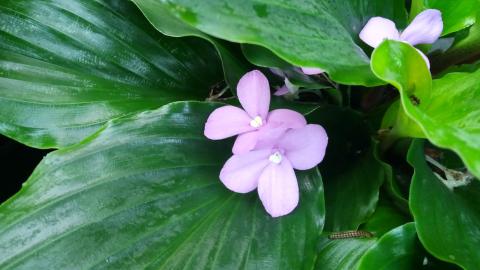
- Leaves : Erect, broadly lanceolate, strikingly variegated with silver-green patterns on top and reddish-purple underneath. Leaves typically emerge after the flowers.
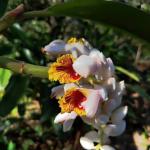
- Flowers : Very fragrant, showy, with white and deep purple/lilac petals, blooming directly from the ground before leaf emergence.
- Rhizomes : Tuberous, highly aromatic, with a yellowish-white interior.
Uses
Tumors, swellings, wounds, gastric complaints, skin care, mumps
Parts used
Rhizome
How to use
- A paste made from the fresh rhizomes is applied externally to treat swellings, tumors, mumps, and to accelerate wound healing.
- The dried and powdered rhizome is widely used in traditional cosmetics and Ayurvedic skin care formulations (like face packs) to improve complexion and clear blemishes.
- Blood purifier : A decoction of the rhizome is consumed internally to treat gastric complaints, improve digestion, and act as a blood purifier.
- The aromatic essential oil extracted from the rhizome is also valued in traditional medicine for its anti-inflammatory properties.
Conservation
Propagation & Cultivation
Easily propagated by dividing the underground rhizomes during the dormant season or early spring just before new growth starts. Plant the rhizome pieces in well-drained, sandy-loam soil enriched with ample organic matter. The plant prefers partial to full shade, making it an excellent understory crop. It requires regular moisture during its active growing phase (monsoon season) but must be kept relatively dry during its winter dormancy when the leaves die back, otherwise the rhizomes may rot.