Yellow Bauhinia
Campaigns Published















Campaigns Unpublished
Description
- Habit: Tree
- Habitat: Naturally found in coastal forests, woodland fringes, riverine thickets, and gravelly slopes.
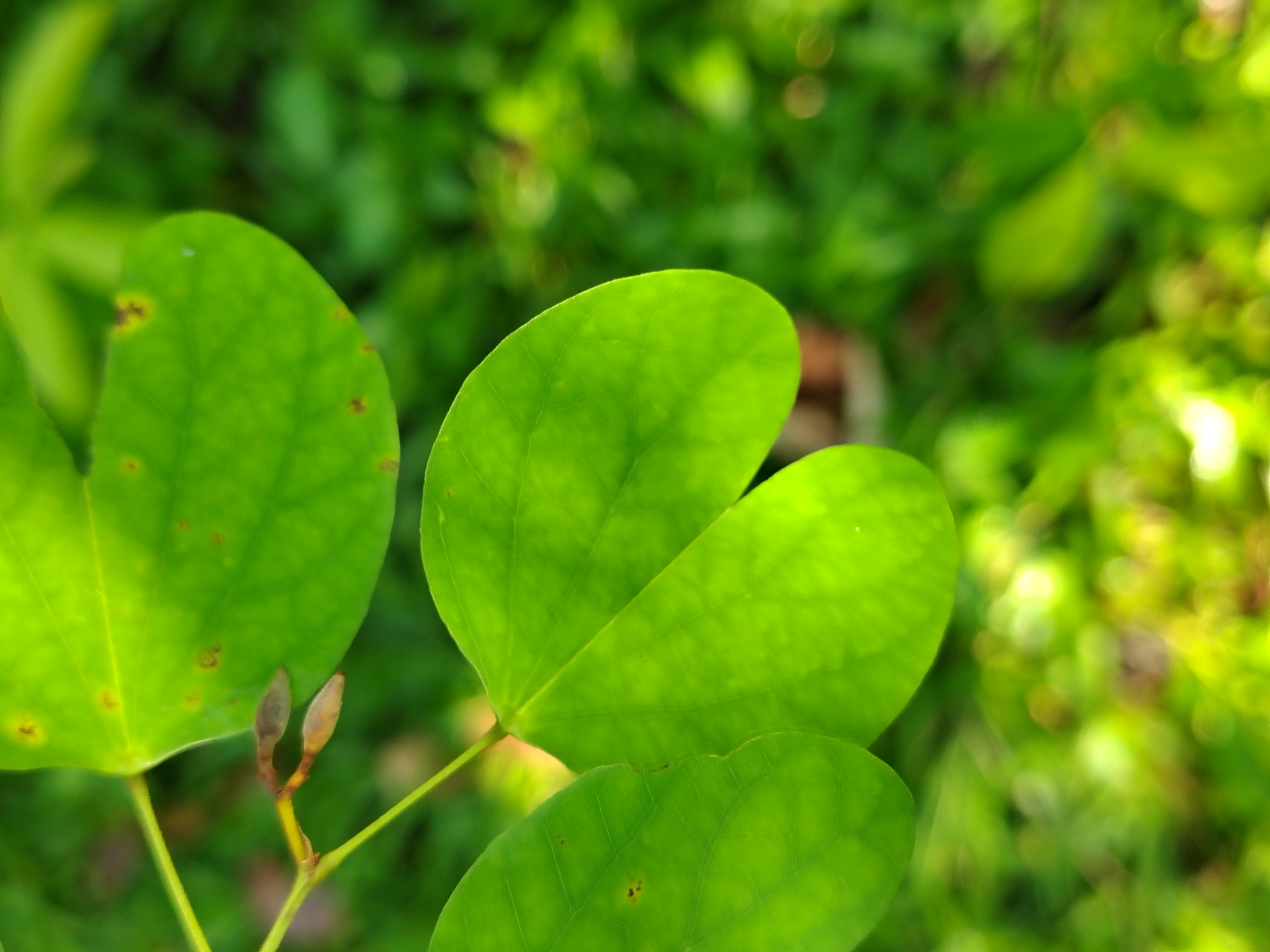
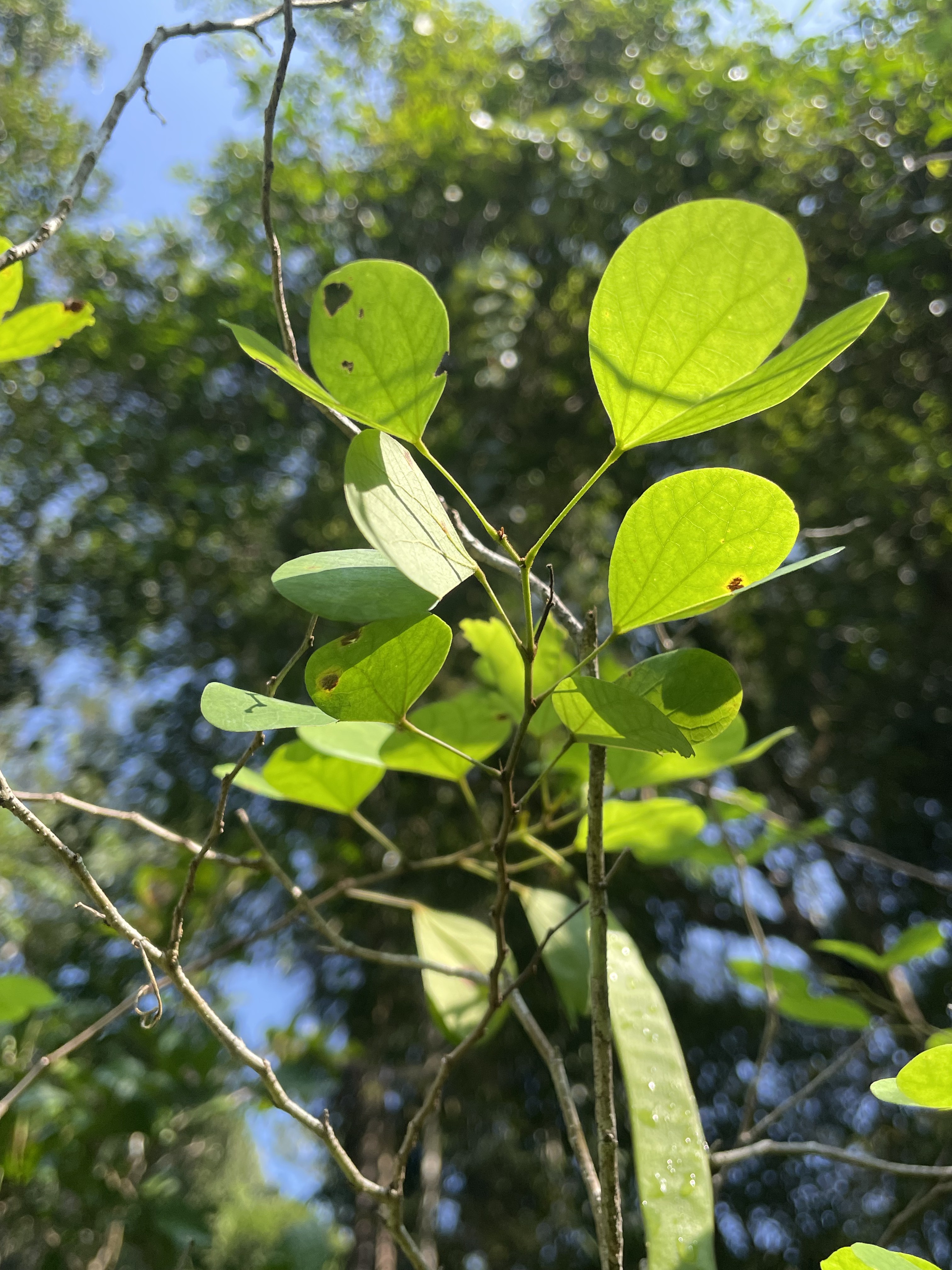
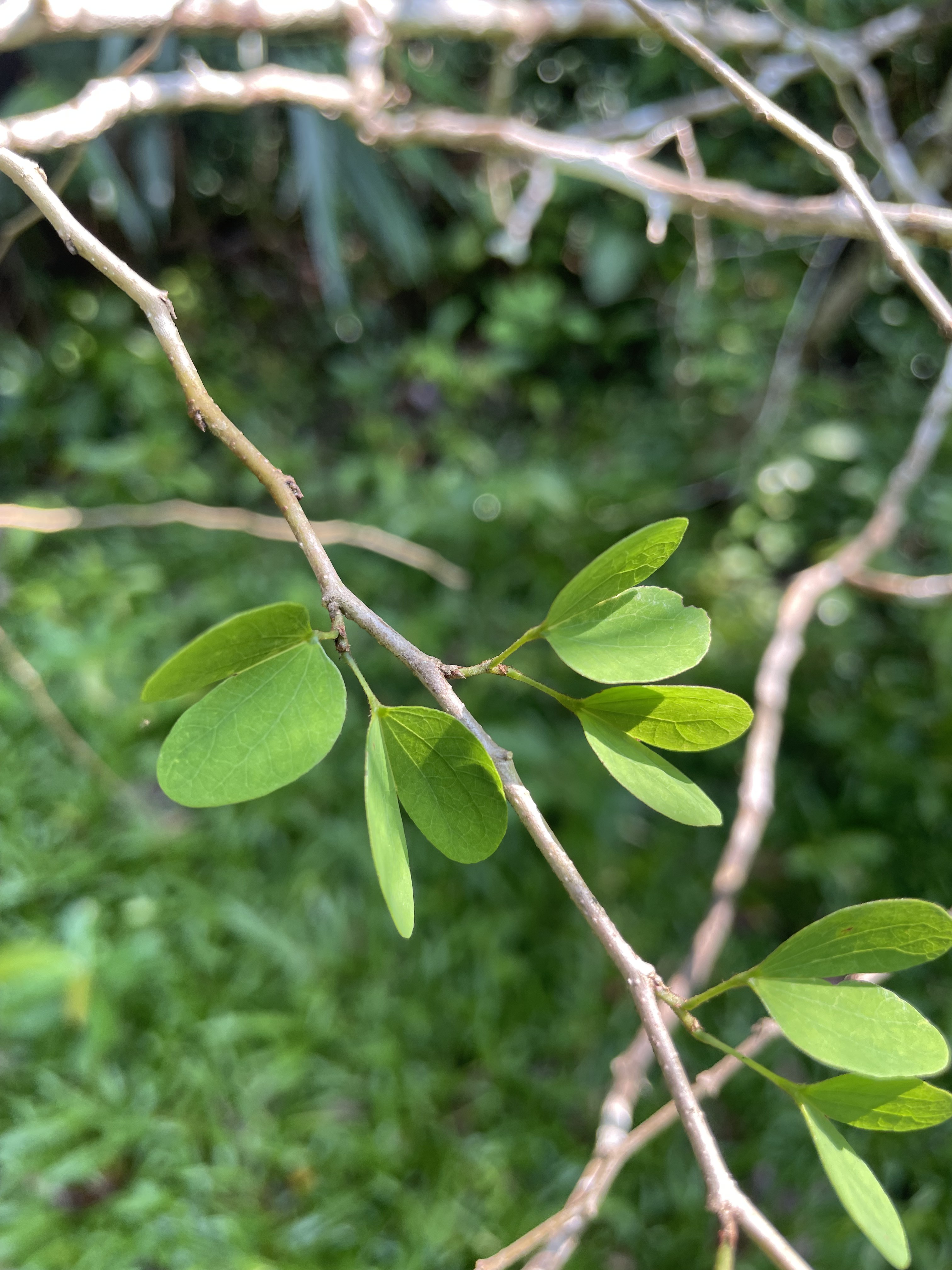
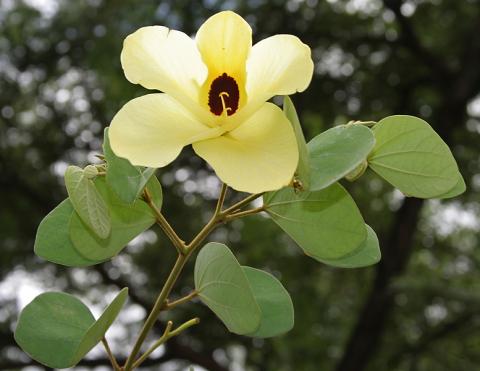
- Leaves: Simple, light green, and deeply divided for nearly half their length into two rounded lobes.
- Stem: The bark is greyish-brown and smooth on older stems, while young twigs are often slender, zigzagged, and covered in fine hairs.
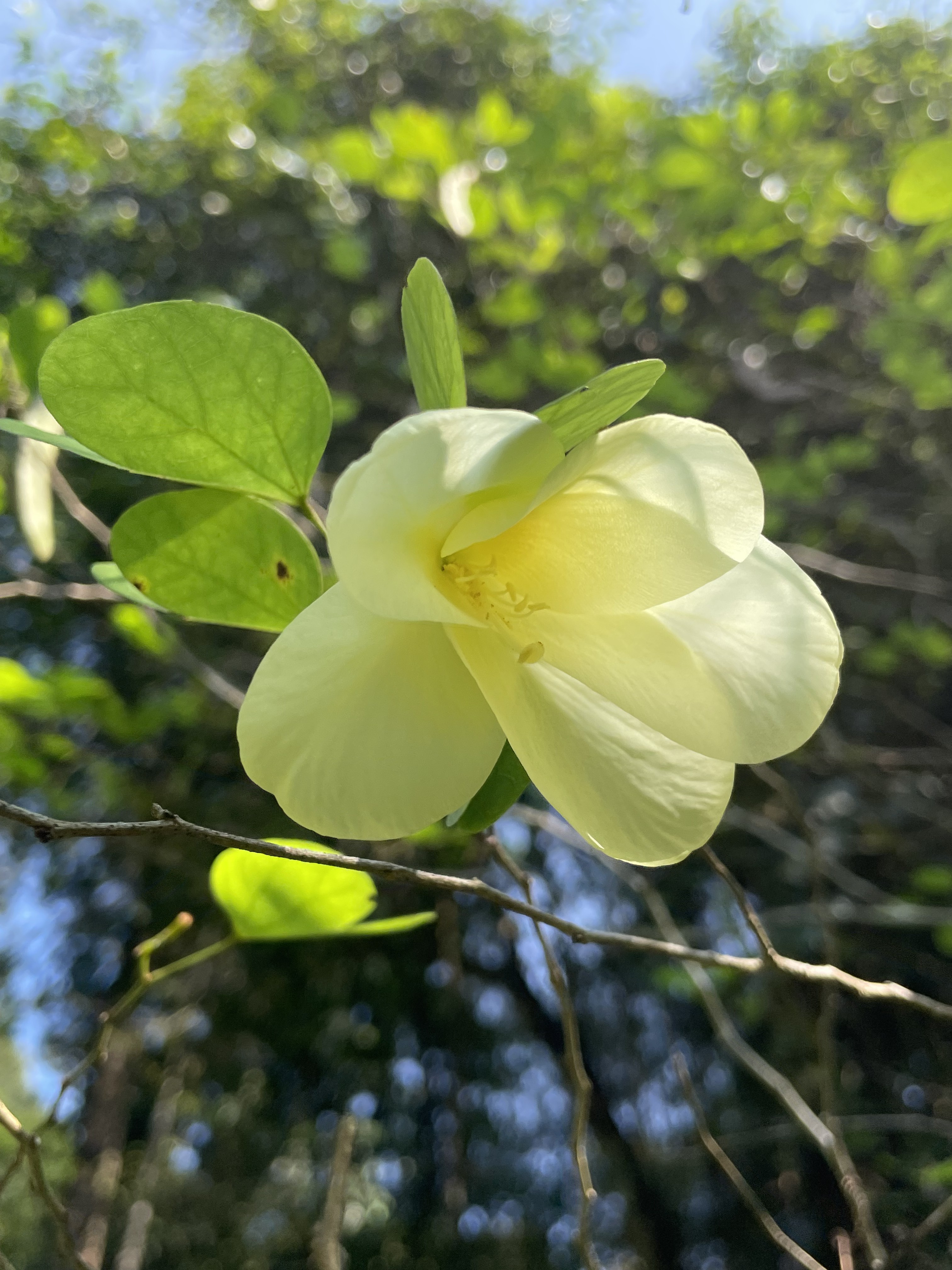
- Flowers: Bell-shaped and pendulous, usually bright lemon-yellow. One or more petals often feature a distinct dark maroon or purple blotch at the base.
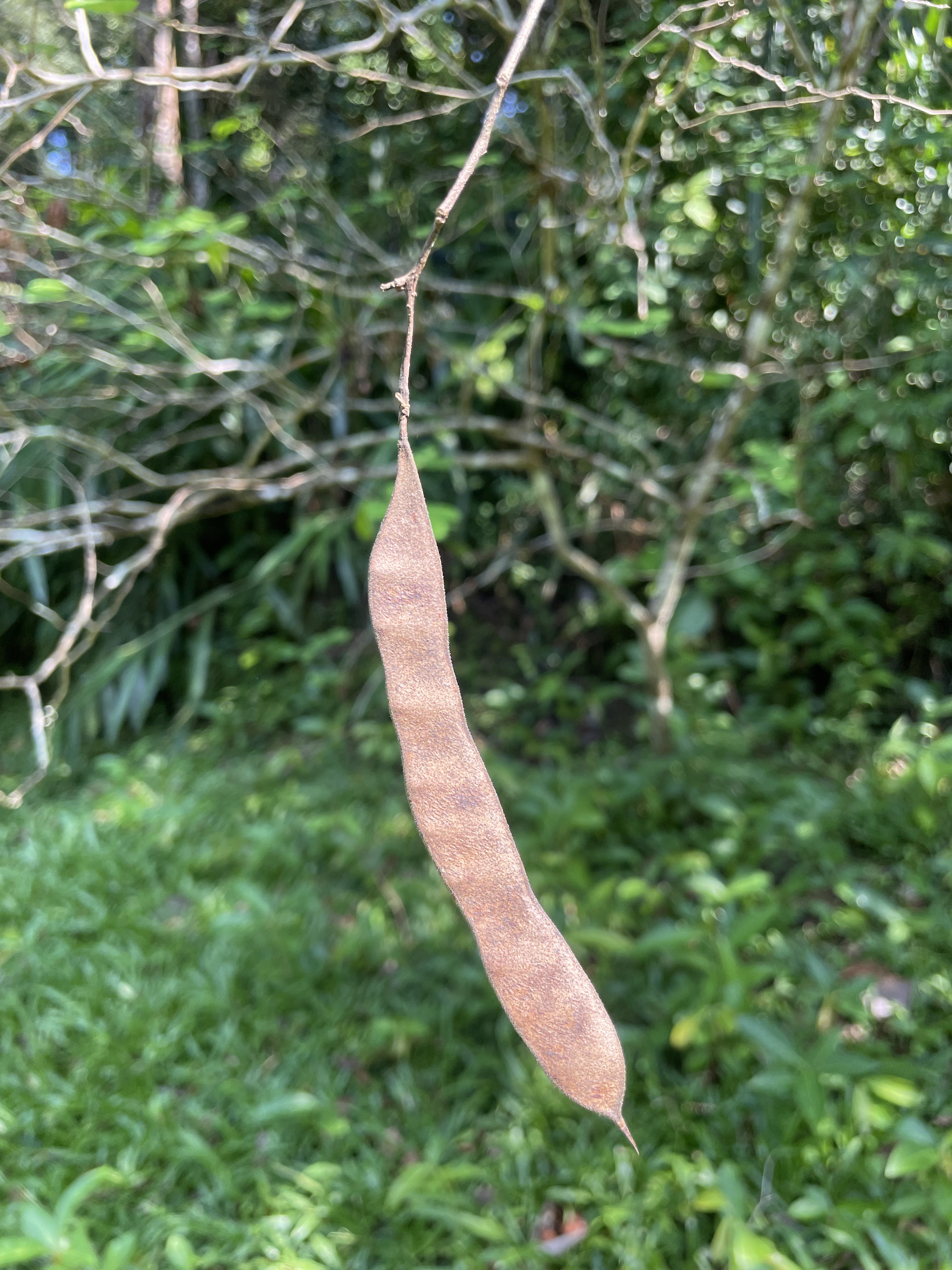
- Fruit: Slender, woody, and flattened pods (approximately 10-14 cm long).
Urinary disorders, coughs, Diarrhea, fever, skin diseases, sore throats,inflamed glands, abscesses, large intestine conditions
- Skin conditions : An infusion of the root bark is used as an external application to treat inflamed glands, abscesses and skin conditions
- The root bark is vermifuge. It is used internally to treat conditions of the large intestine.
- Astringent gargle : An infusion of the rind is used as an astringent gargle
- Wounds : A paste of the seed made with vinegar is used as a local application to the wounds produced by venomous animals.
- Abscesses :The leaves are an ingredient in a plaster applied to abscesses
Propagation & Cultivation
Most commonly propagated by seeds. Seeds should be soaked in water for 24 hours before sowing to improve germination. It can also be grown from semi-hardwood cuttings taken in spring or early summer. Cultivation: Prefers well-drained, loamy soil enriched with compost soil. Thrives in full sun but can tolerate partial shade (though flowering may be less profuse).Requires moderate watering; it is somewhat drought-tolerant once established but sensitive to severe frost.Pruning after the flowering season helps maintain shape and encourages bushier growth and more flowers the following year.