Mugwort
Campaigns Published















Campaigns Unpublished
No Content Unpublished
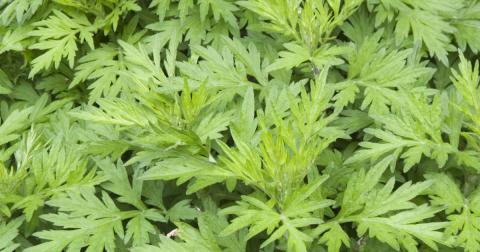
Scientific name
Artemisia vulgaris L
English Name
Common Mugwort
Malayalam name
മക്കീപൂവ്
Common name
Mugwort
Description
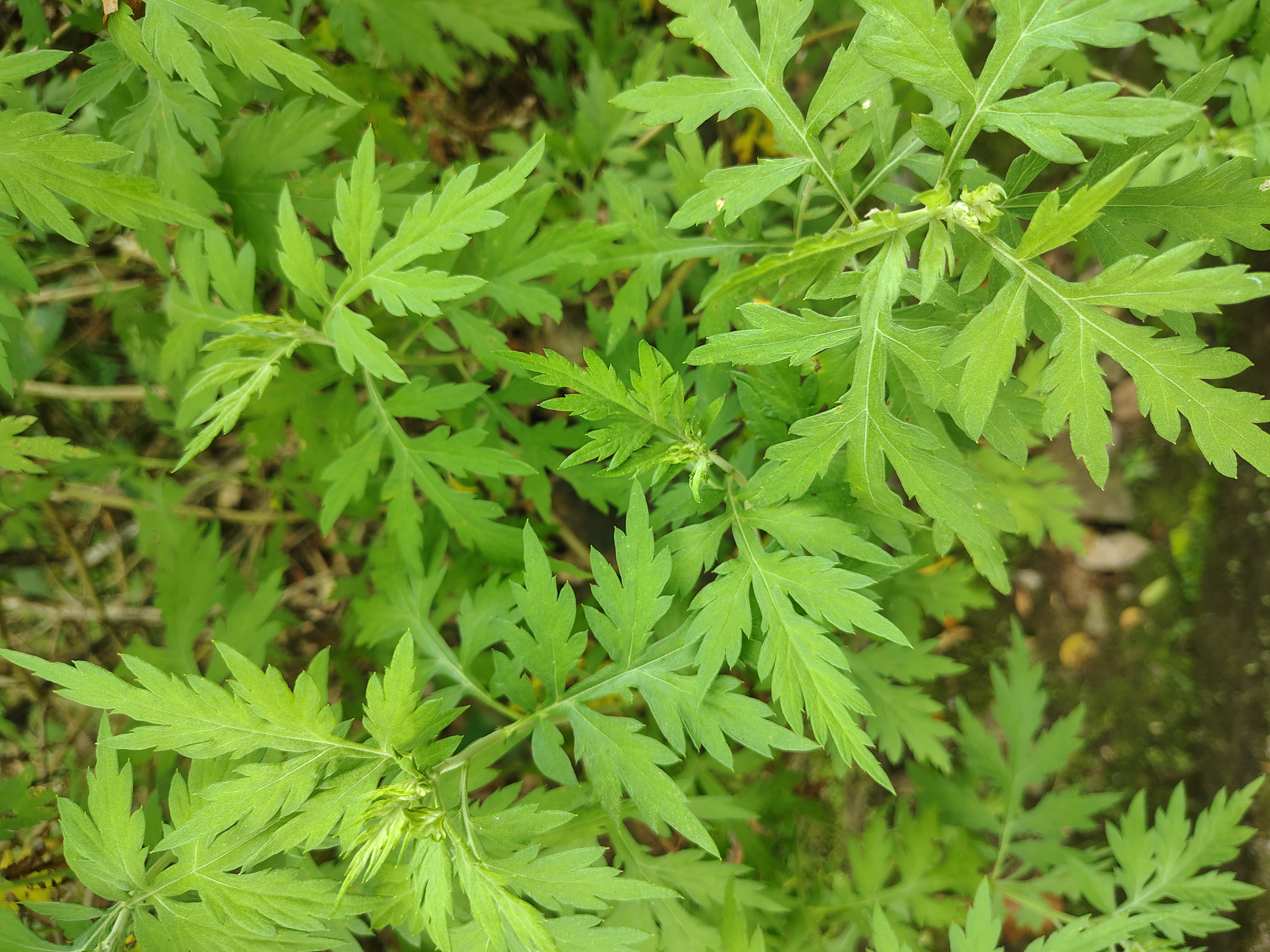
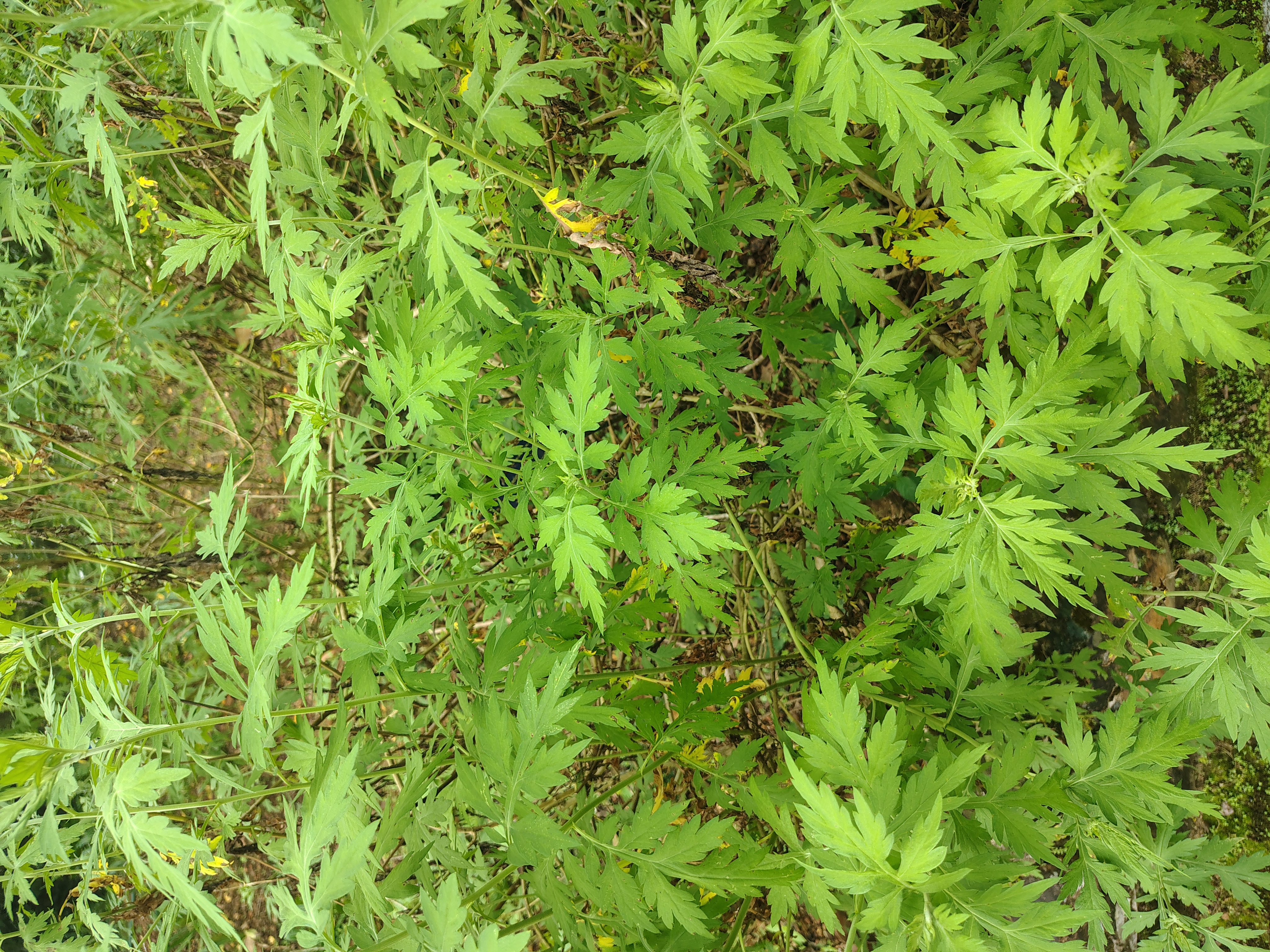
- Habit : Shrub
- Habitat : growing in moist and well-drained soil such as in sandy lands, loamy, and clay soils
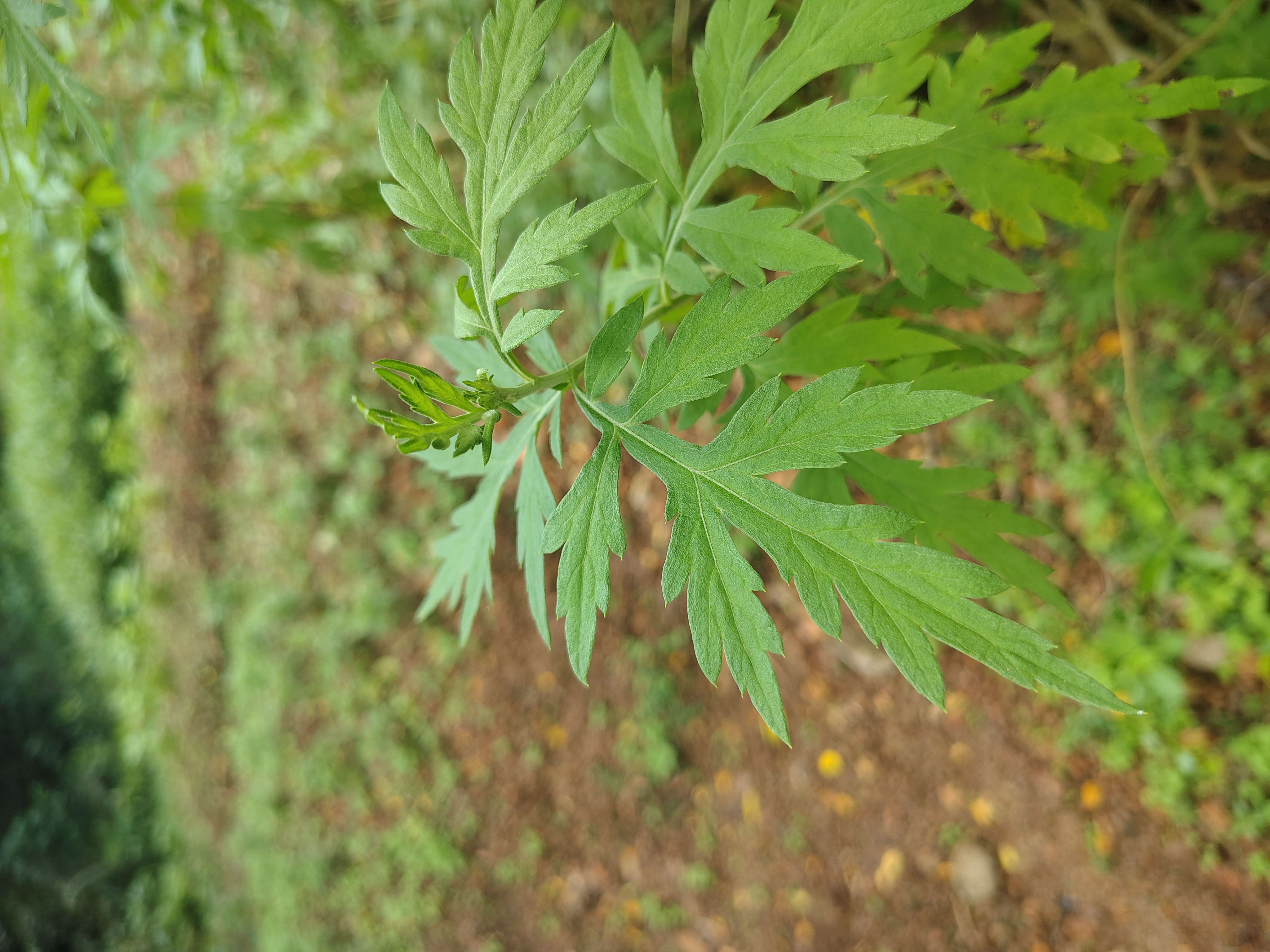
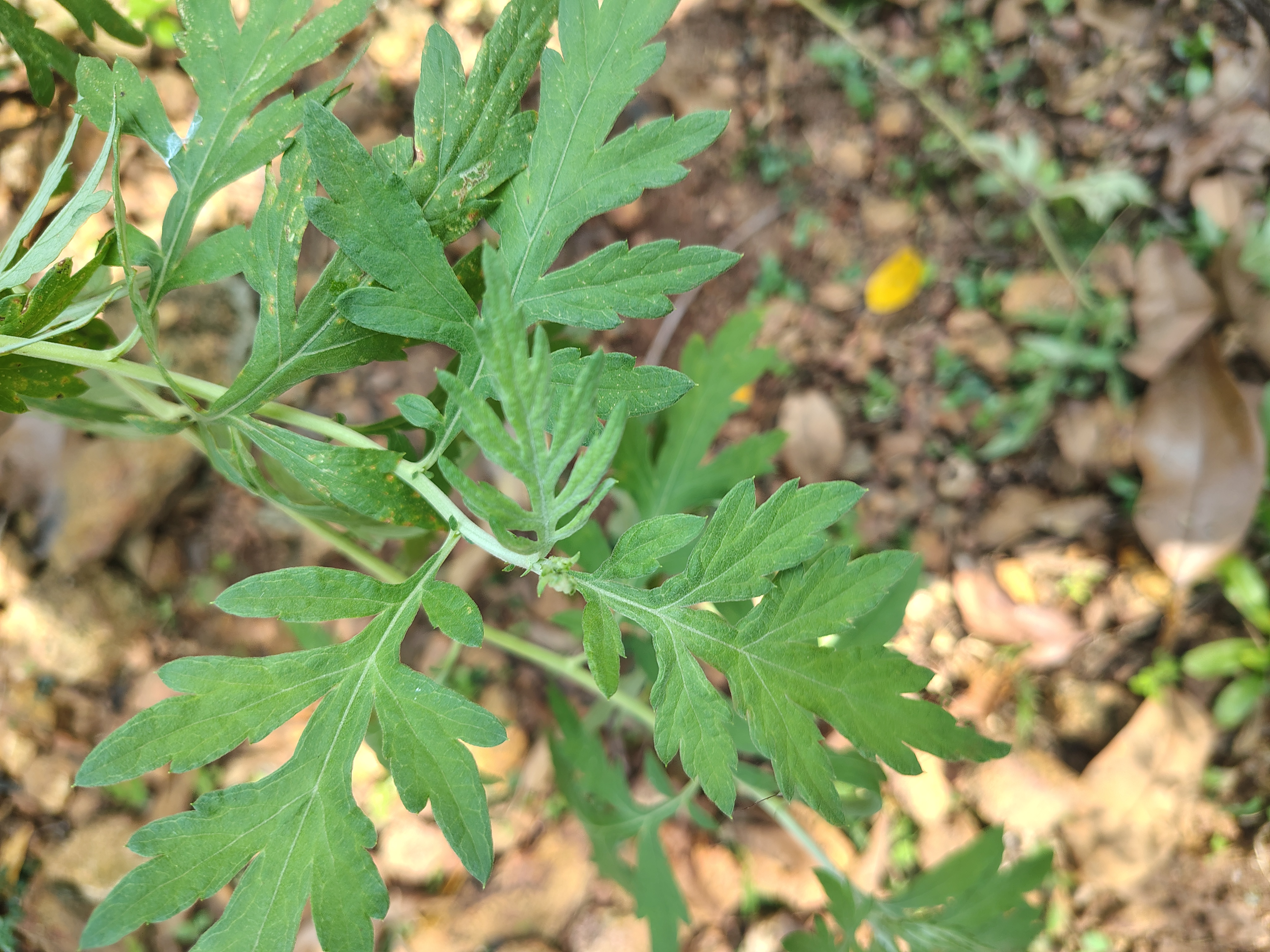
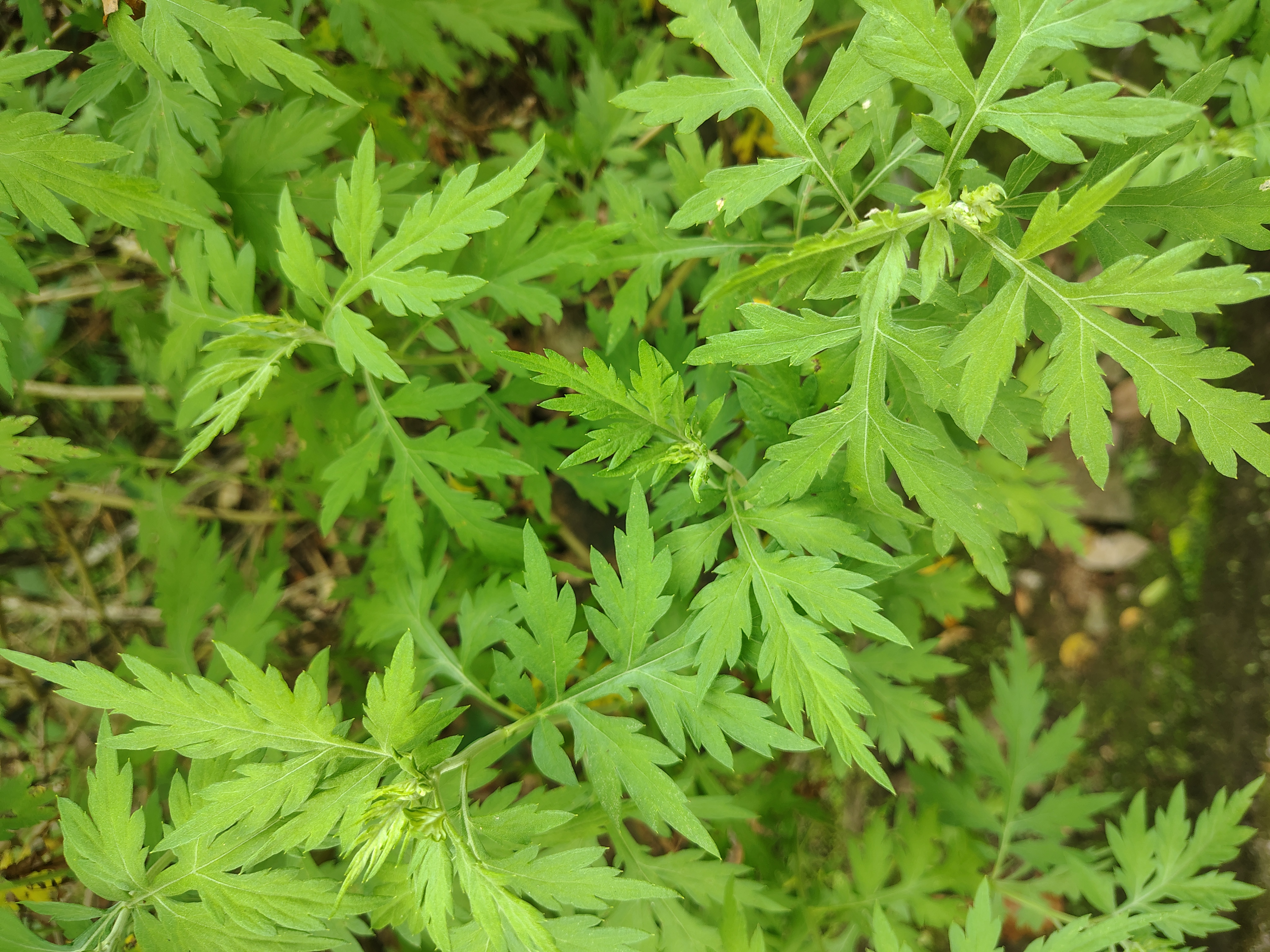
- Leaves : The leaves are dark green on the top surface and silvery-white with dense, woolly hairs on the underside. They are deeply pinnately lobed.
- Flowers : It produces numerous small, reddish-brown or yellowish flowers in dense panicles at the top of the plant.
- Stem : The stems are woody at the base, often with a purplish tint, and can grow quite tall.
Uses
Medicine for digestion, menstrual issues, sleep, and pain
Parts used
Leaves, flowering tops, and root.
How to use
- Menstrual problems : The leaves and flowering tops are often dried and used to make a herbal tea or infusion to aid digestion and for menstrual problems.
- The fresh or dried leaves are used in cooking.
- The practice of moxibustion in traditional Chinese medicine uses dried, compressed Mugwort.
Conservation
Propagation & Cultivation
It is easily propagated by seeds, root division, or stem cuttings. It is a very hardy and invasive plant that can grow in a wide range of soils but prefers well-drained, alkaline soil. It thrives in full sun and requires minimal care once established.