Malabar Catmint
Campaigns Published















Campaigns Unpublished
No Content Unpublished
Scientific name
Anisomeles malabarica (L.) R.Br. ex Sims
English Name
Malabar Catmint
Malayalam name
പെരുംതുമ്പ
Common name
Malabar Catmint
Description
- Habit : Herbaceous shrub
- Habitat : Commonly found in wastelands, coastal areas, and along roadsides in hot, tropical climates.
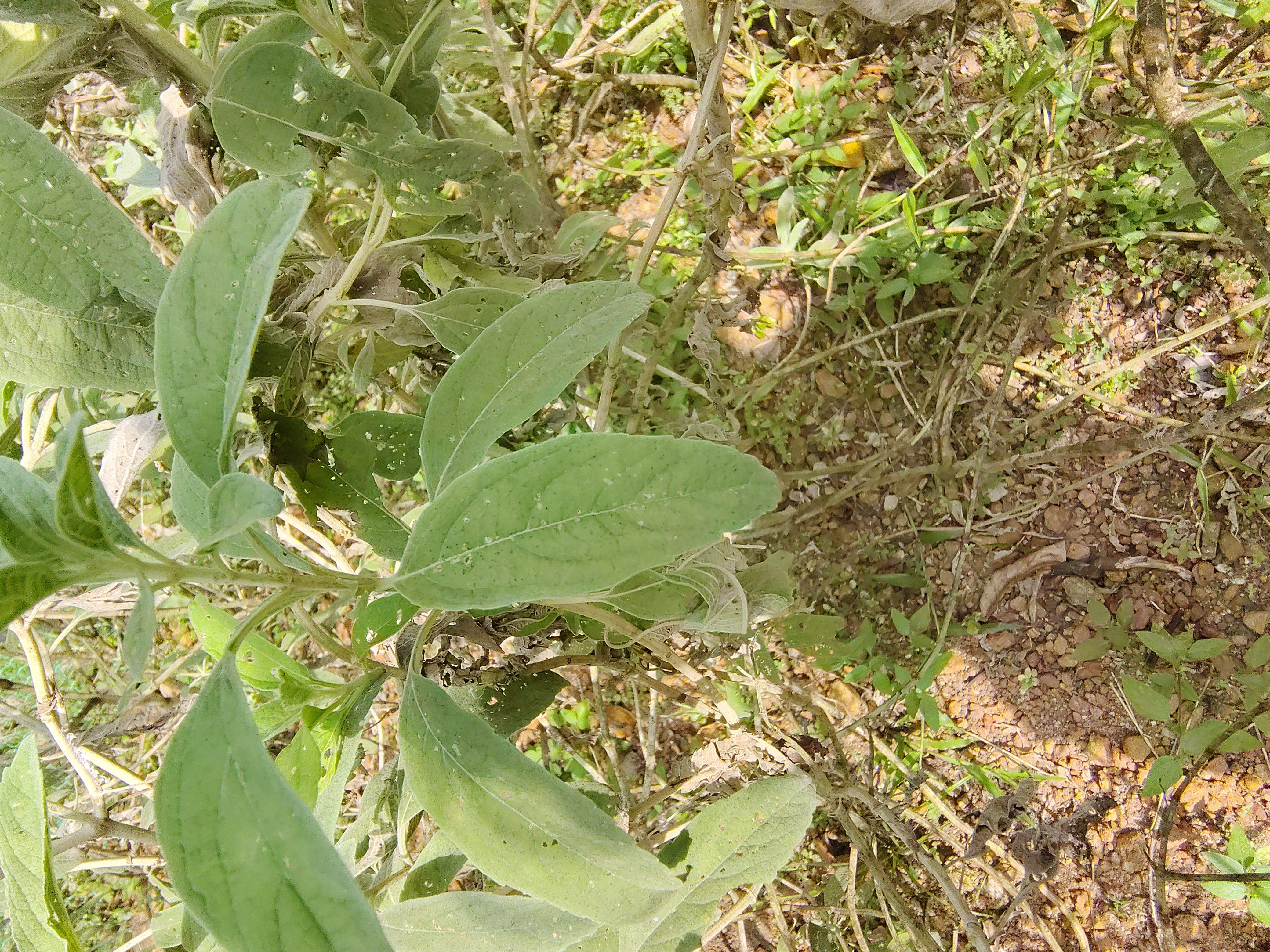
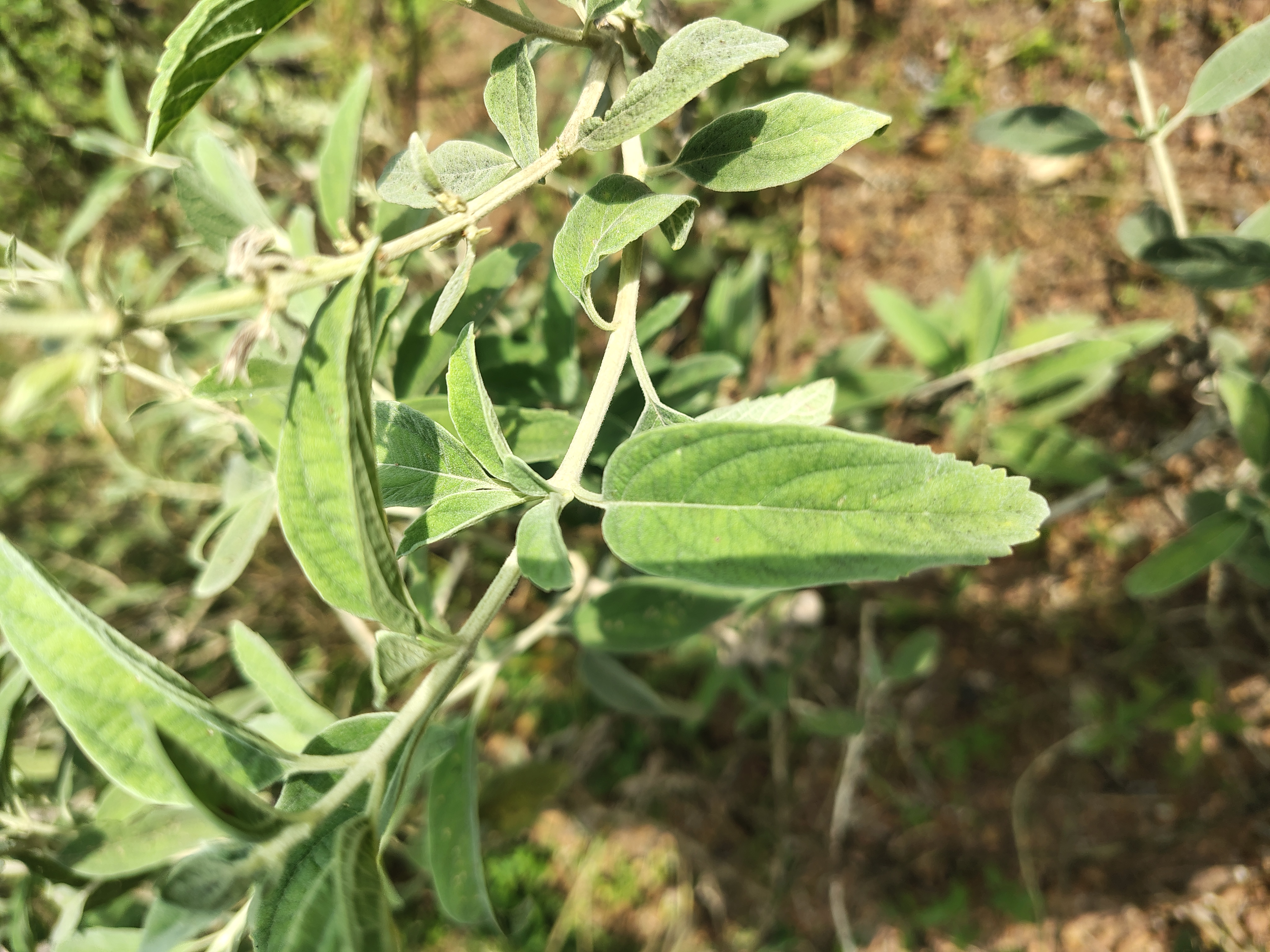
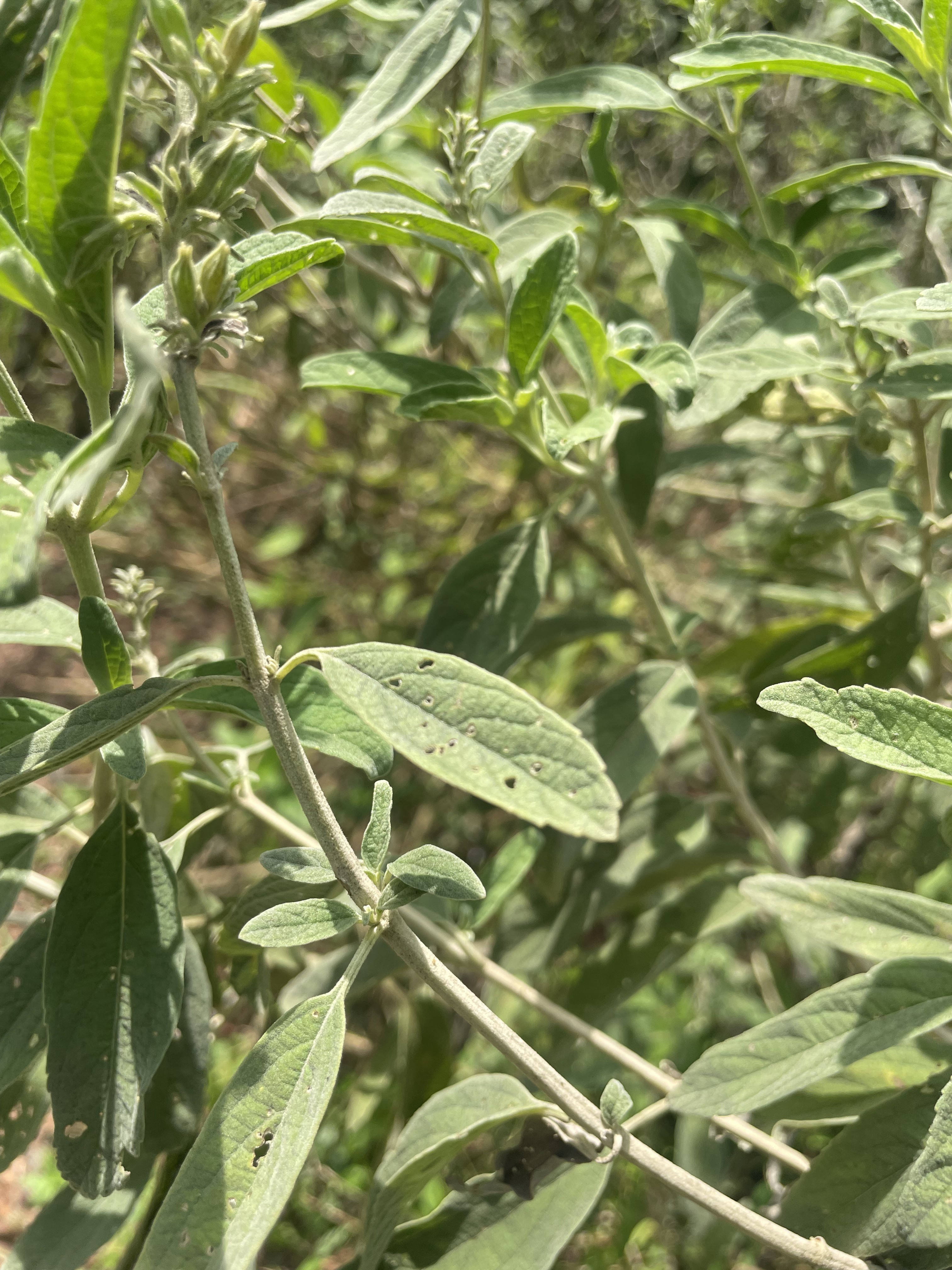
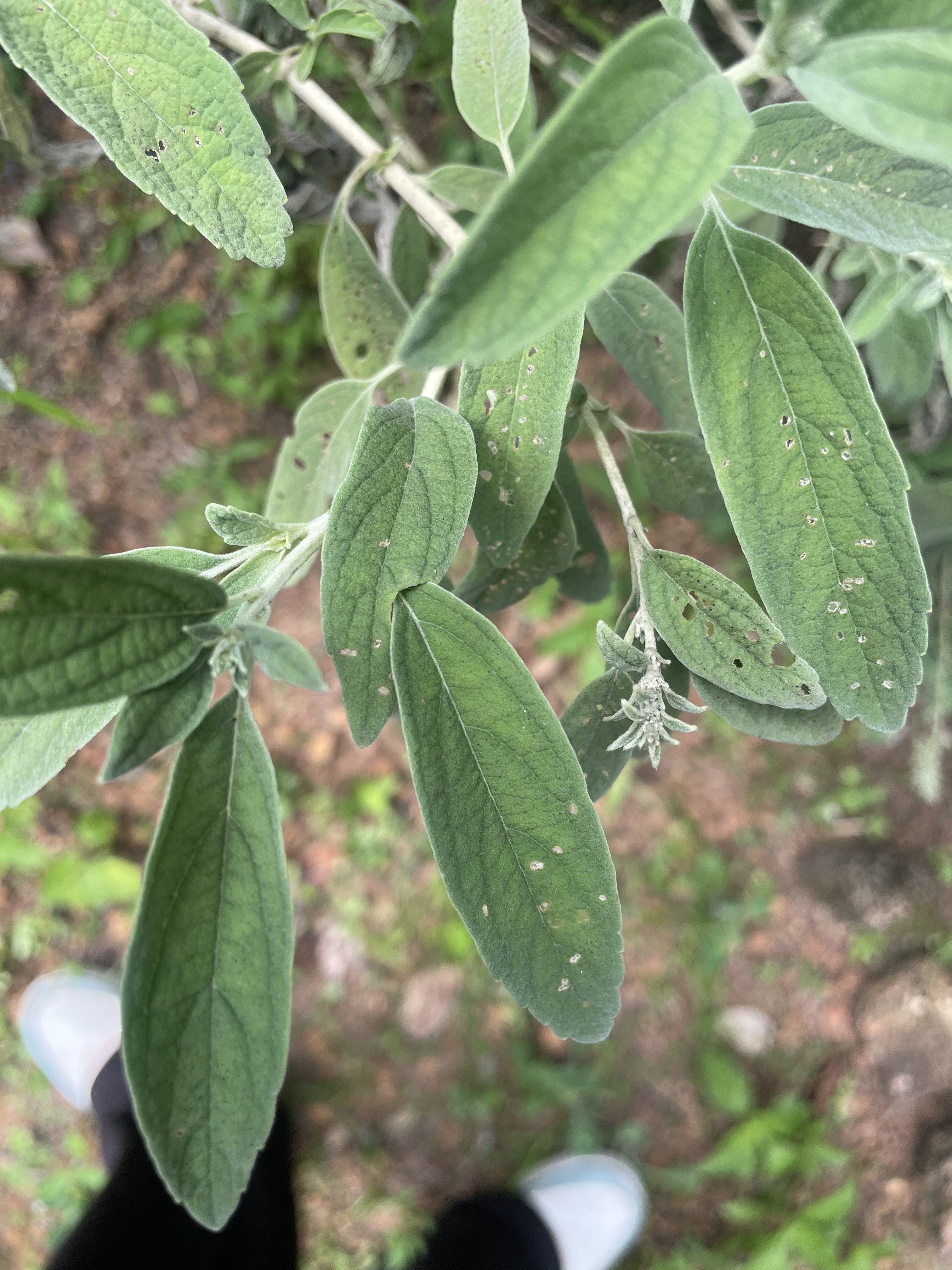
- Leaves : The leaves are thick, oblong to lance-shaped, with a wrinkled surface and serrated edges. They are covered in dense, soft, whitish hairs, giving the plant a silvery appearance.
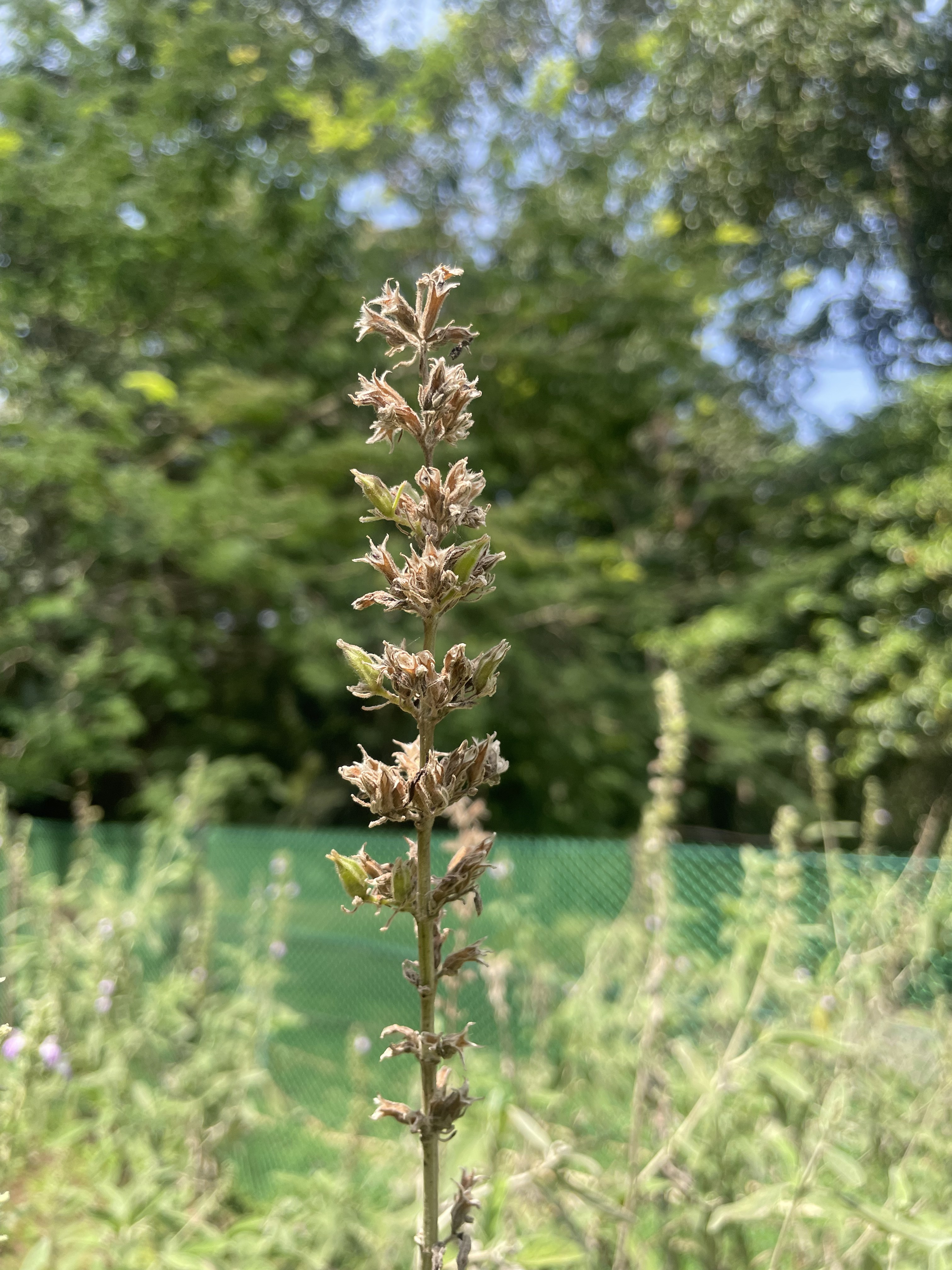
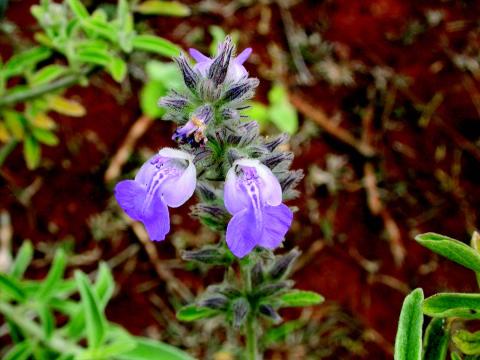
- Flowers : The flowers are purplish-pink and arranged in dense whorls in the leaf axils, forming a long, interrupted spike.
- Stem : The stem is stout, square-shaped (typical of the mint family), and covered with thick, woolly tomentum.
Uses
Fever, colic, digestive issues, inflammation , alleviate joint pain, nasal congestion
Parts used
Whole plant, especially leaves and flowering tops.
How to use
- Fever, colic : A decoction of the leaves or the entire plant is consumed to relieve fever, colic, and digestive issues.
- Inflammation : A paste made from the fresh leaves is applied externally to reduce inflammation and alleviate joint pain.
- To clear nasal congestion :The vapours from boiling the plant are inhaled to clear nasal congestion.
Conservation
Propagation & Cultivation
It is propagated through seeds or stem cuttings. Being a hardy, drought-resistant plant, it grows well in a variety of soils but prefers well-drained soil and a sunny location. It is often found growing wild and does not typically require special cultivation.