Hedge Caper
Campaigns Published










Campaigns Unpublished
No Content Unpublished
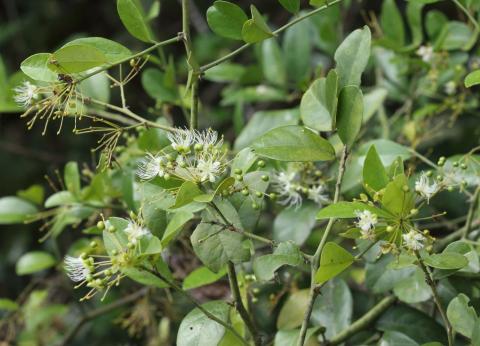
Scientific name
Capparis sepiaria L.
English Name
Hedge Caper
Malayalam name
കാക്കത്തൊണ്ടി
Common name
Wild Caper Bush
Description
- Habit : Evergreen Shrub
- Habitat : Drier places in thickets, hedges, teak-forests, etc., in the lowlands, often near the seaside, solitary or in groups
- Leaves : Elliptic oblong to ovat ,small,alternate
- Flowers : Small , white
- Fruit : Spherical,crustaceous, dark-brown, smooth, 1-2 seeded
Uses
wound ,inflammation,diabetes, skin issues, digestion, and pain
Parts used
Root, leaf,Fruits,stem
How to use
- Powder (Churna) : Dried and ground parts (leaves, roots, fruits) mixed with water or honey.
- Decoction (Kwath): Boiling roots/stems in water until reduced, often for internal use.
- Paste : Fresh leaves/fruits ground into a paste and applied externally to skin problems, sprains, or wounds.
- Infused Oil : Leaves macerated in oil for topical application
Conservation
Propagation & Cultivation
Seed Propagation : This is the most common method. Seeds should be collected from ripe fruit, but they often have low germination rates due to hard seed coats. Vegetative Propagation: While possible using root suckers, success rates for Capparis species are generally low. Some success with hard wood cuttings has been reported using IBA (Indole-3-butyric acid) treatment in July, though success is poor. Seeds should be planted in well-drained soil. Initial growth is slow.Young plants require irrigation every 15 days, except during the rainy season, for the first year to establish.