Piper barberi
Campaigns Published










Campaigns Unpublished
Description
- Habit : Herb
- Habitat : Evergreen forests
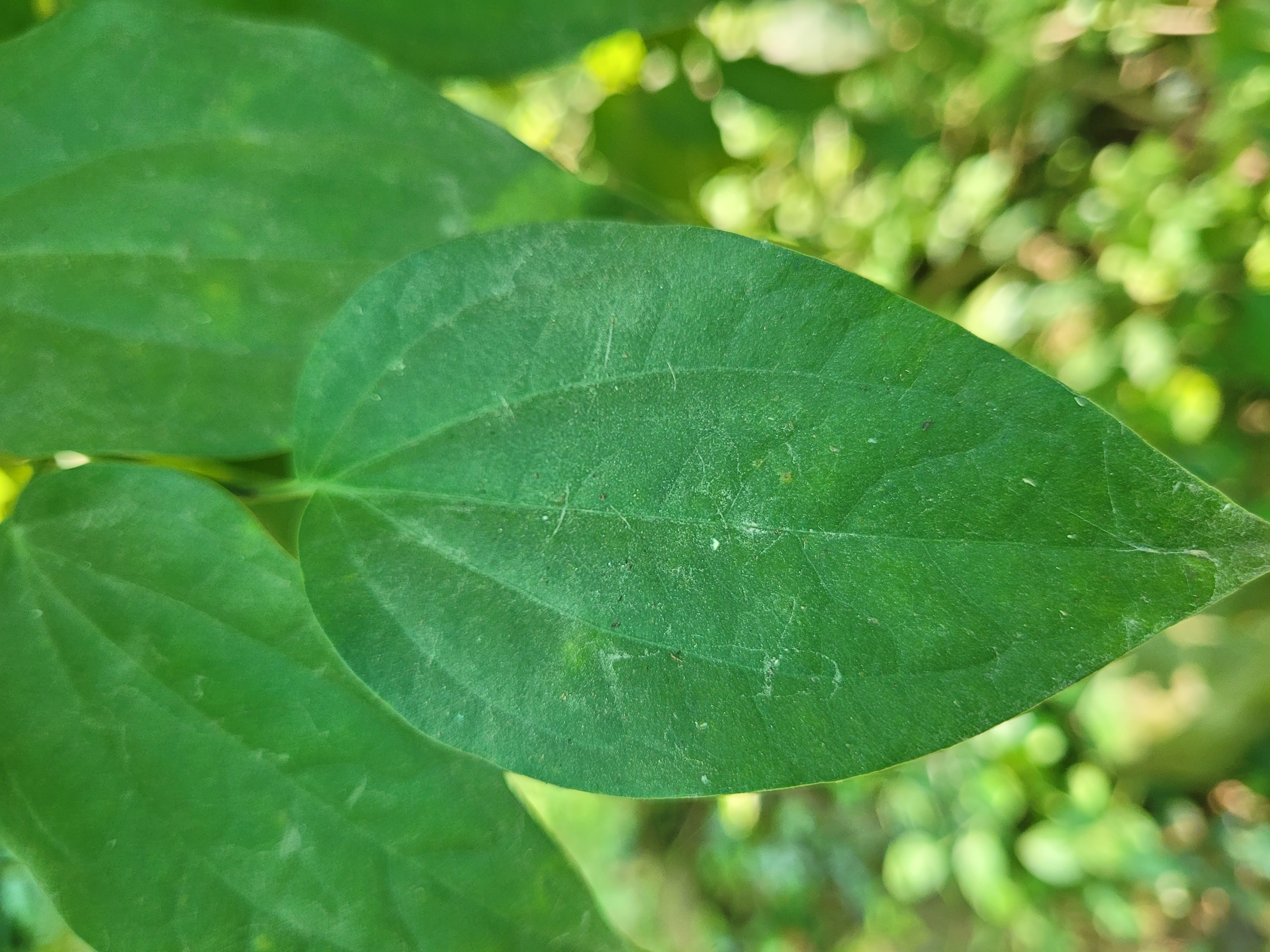
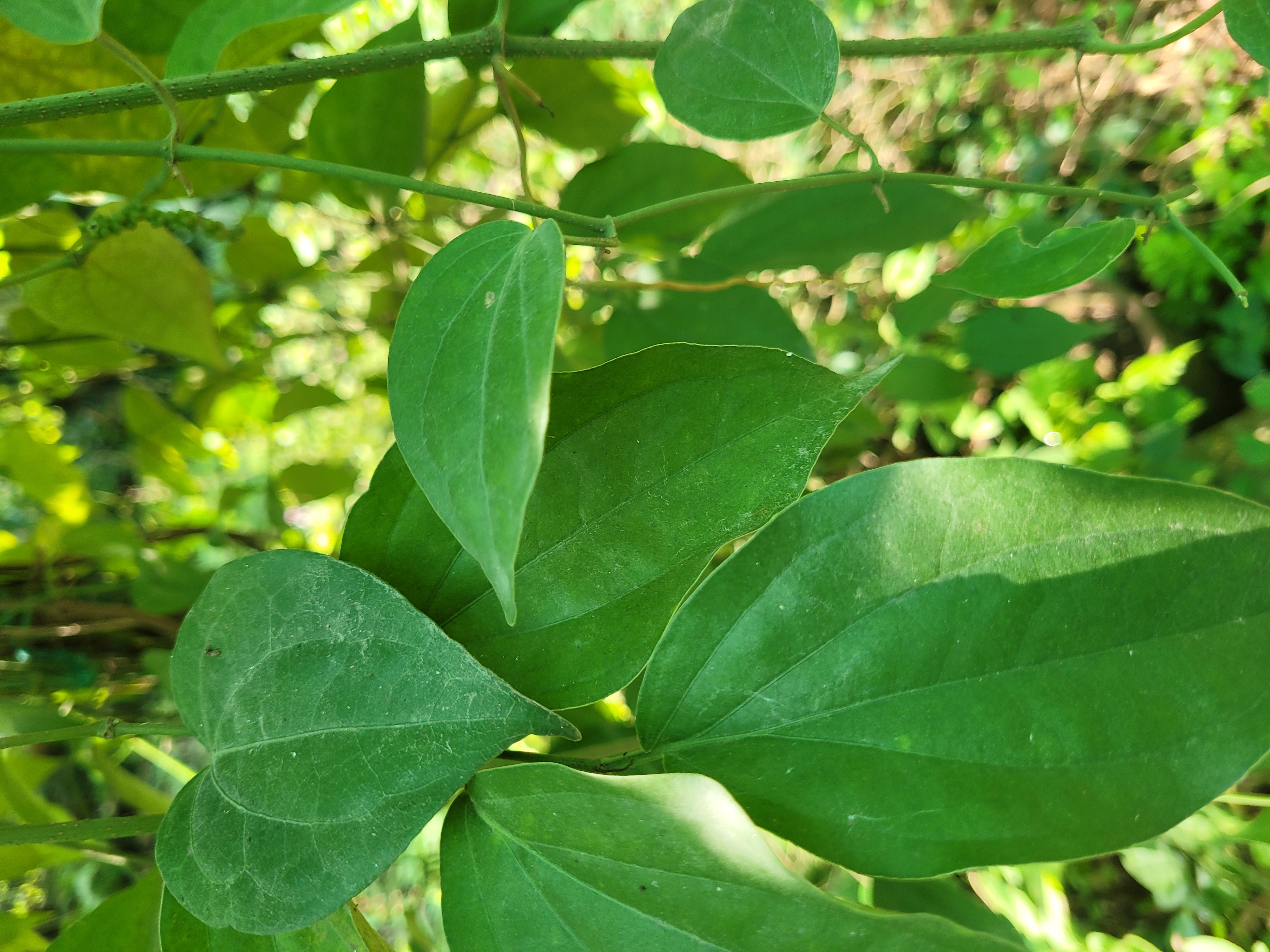
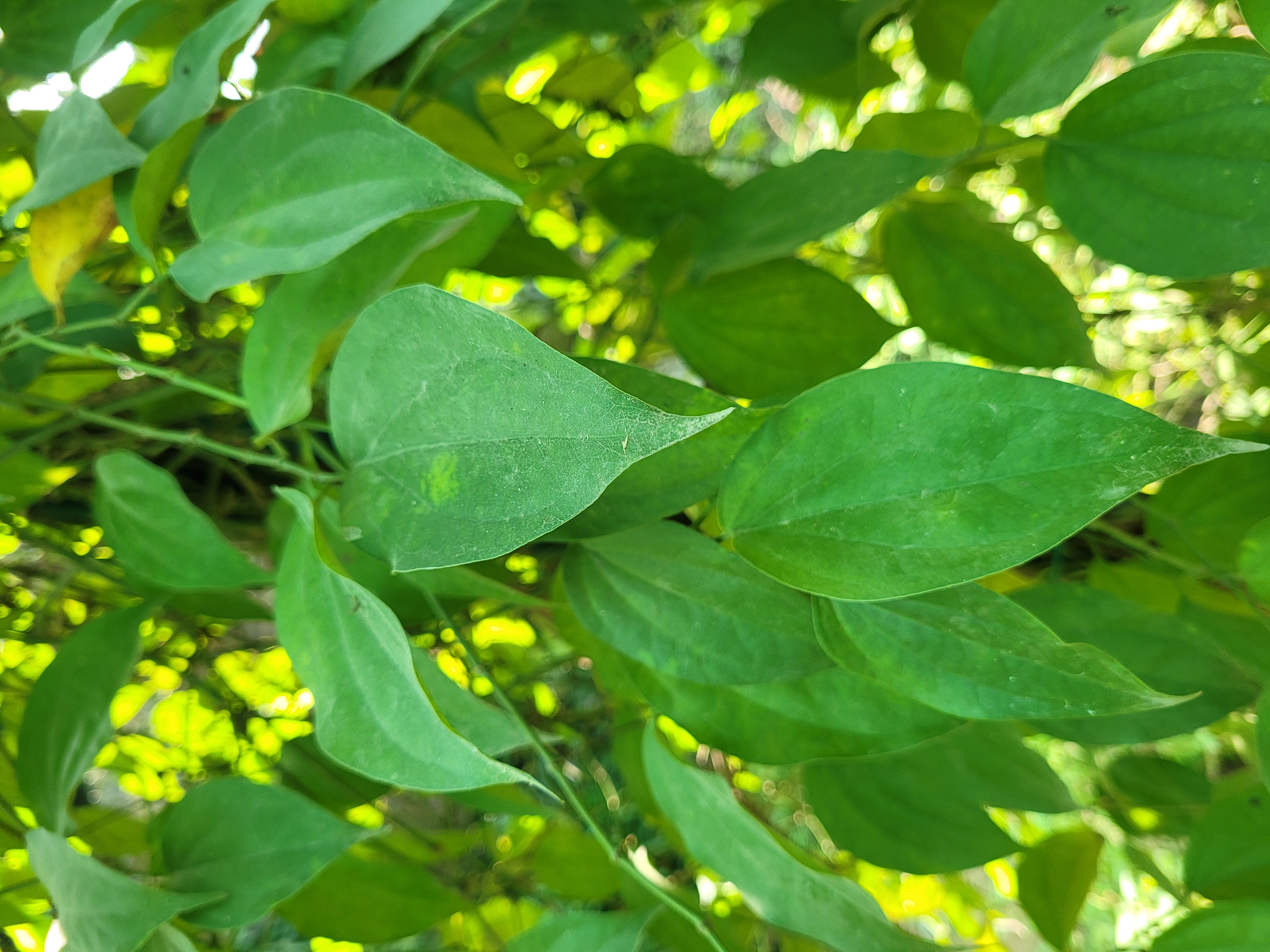
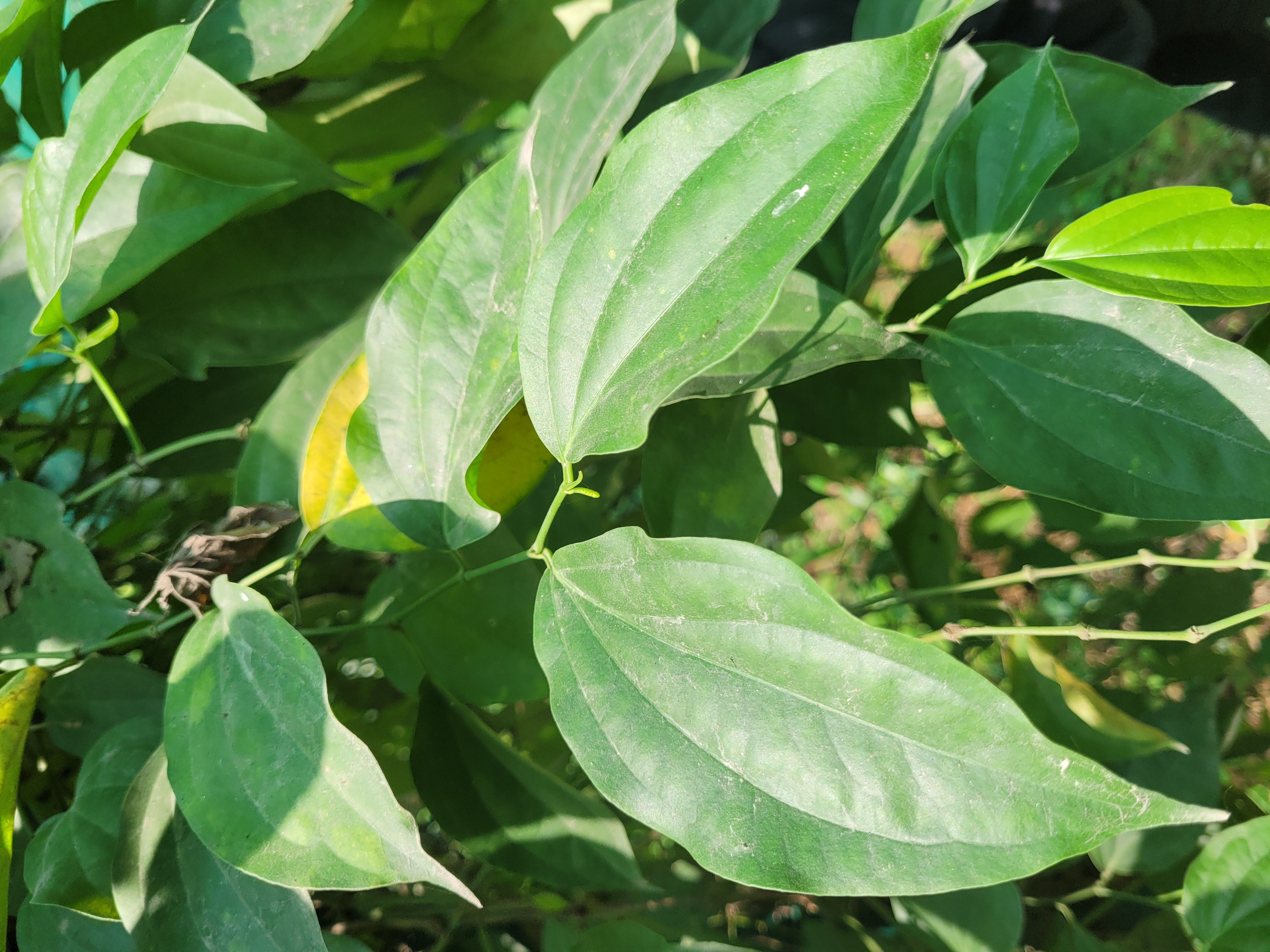
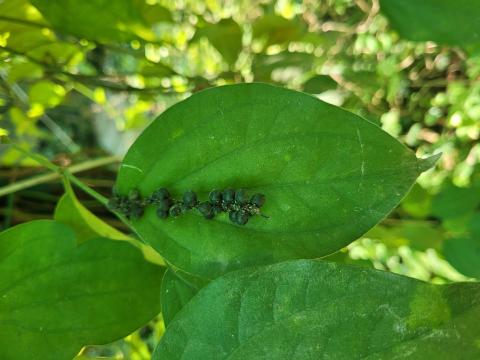
- Leaves : lanceolate , Acuminate ,smooth, hairless , pinnately reticulate
- Flowers : tiny flowers in leaf-opposite spikes on long stalks, with male flowers having two anthers and female flowers having a single ovary and fleshy stigma
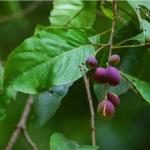
- Fruits : green when immature , round or ovoid in shape , grow on long, slender, dangling stalks
Coughs ,wounds ,anti-inflammatory , Headache
- The plant parts are typically dried and then ground into a powder.
- Roots extract taken orally for headache
Propagation & Cultivation
Propagated mainly through advanced tissue culture (micropropagation) .Shoot tip and nodal explant cultures are used for rapid clonal propagation. Nodal explants with a single axillary meristem show three times better response than shoot tip explants. Rooting: Rooting occurs successfully on half or one-quarter strength MS basal medium. Seed Germination: The plant bears fleshy, red, single-seeded drupes. While seeds can be used, micropropagation is preferred due to the plant's endangered, restricted nature. Micropropagated plantlets should be hardened in a nursery for over 6 months before being re-introduced into their natural habitat.Similar to other Piper species, it requires high humidity, shade/semi-shade conditions, and well-drained soil.