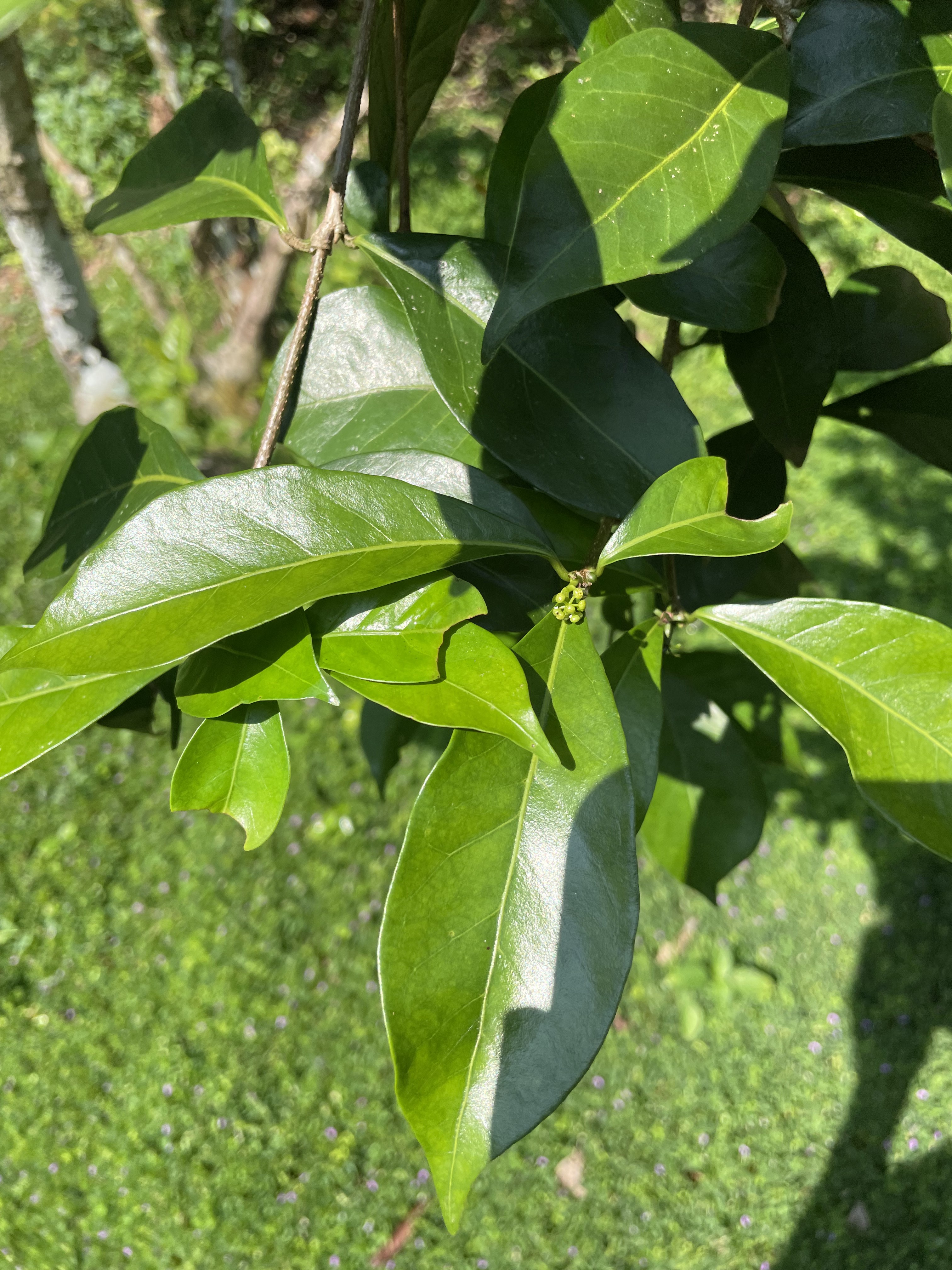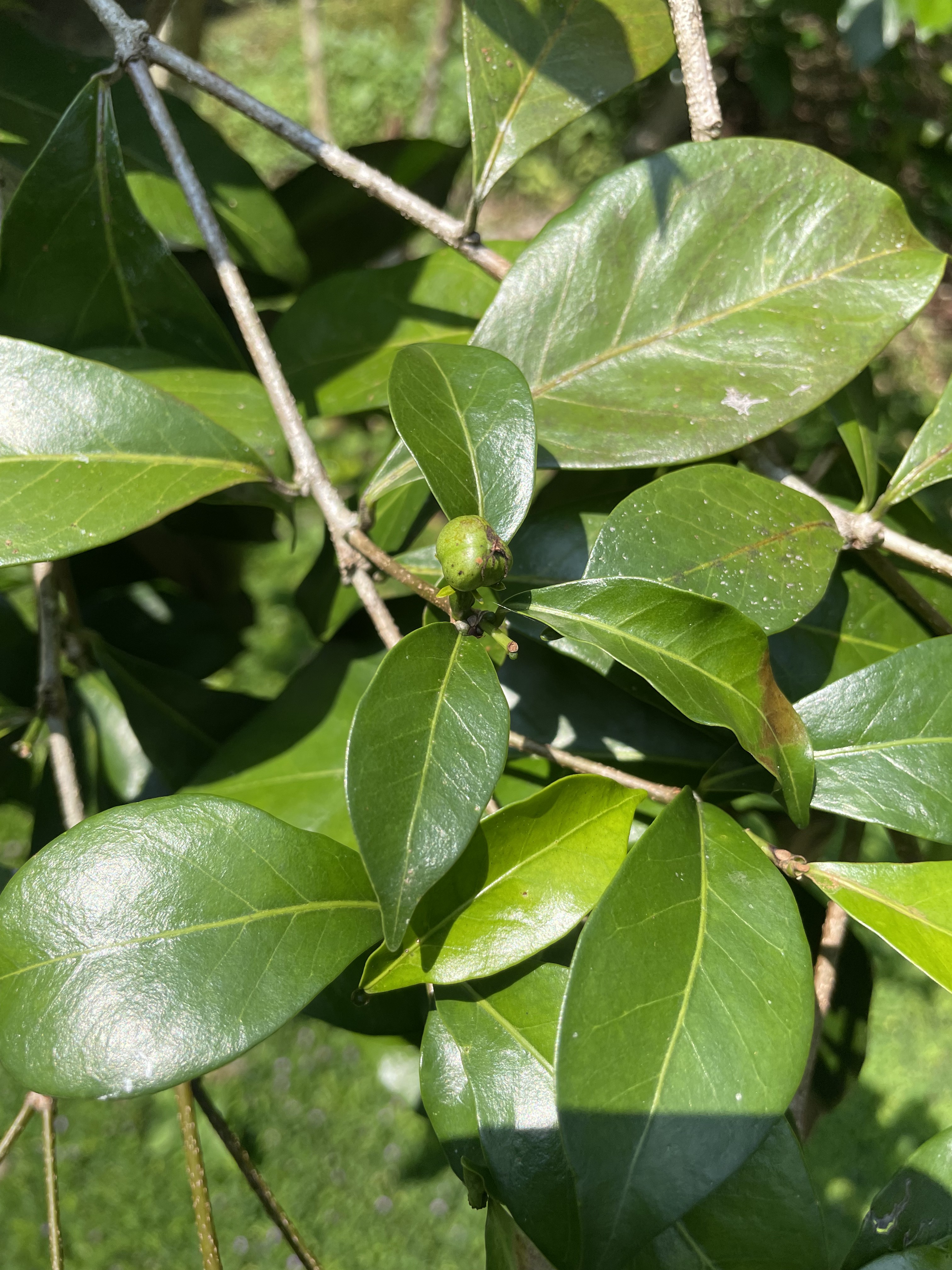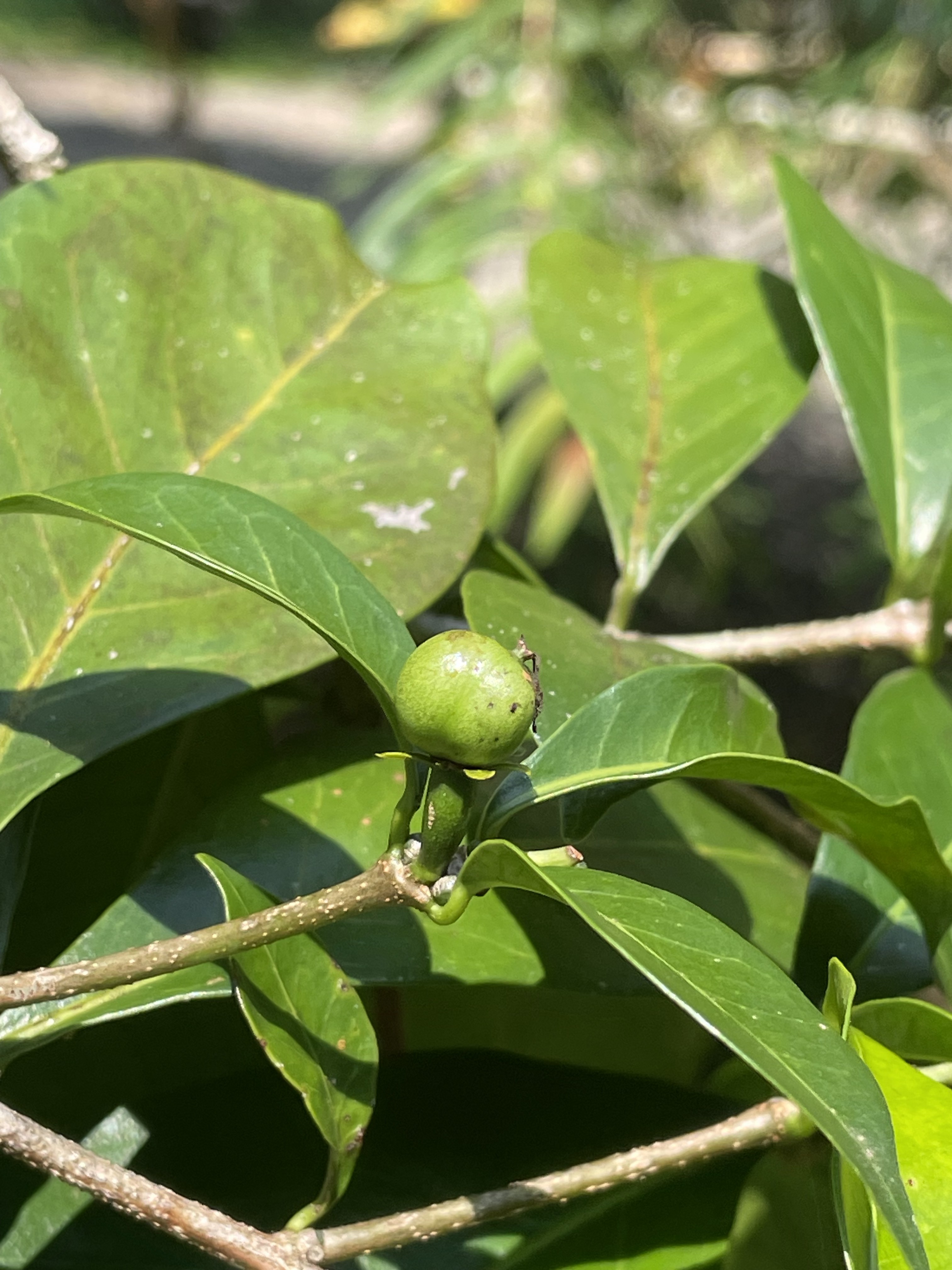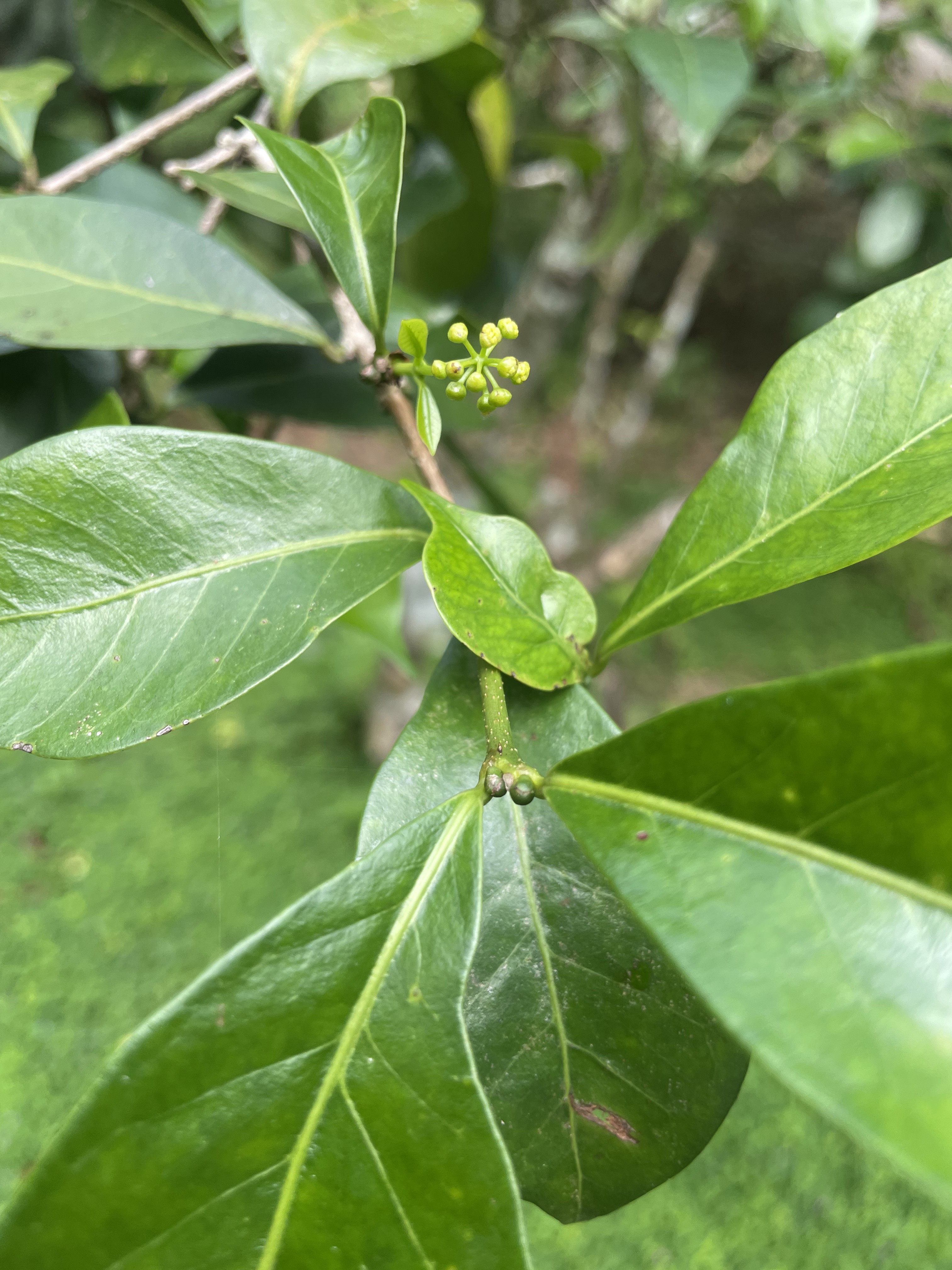
Umbelled Blachia
Campaigns Published








Campaigns Unpublished
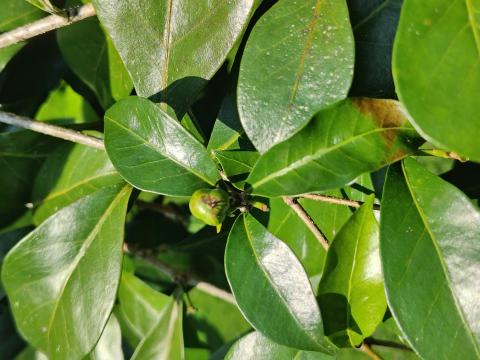
Description
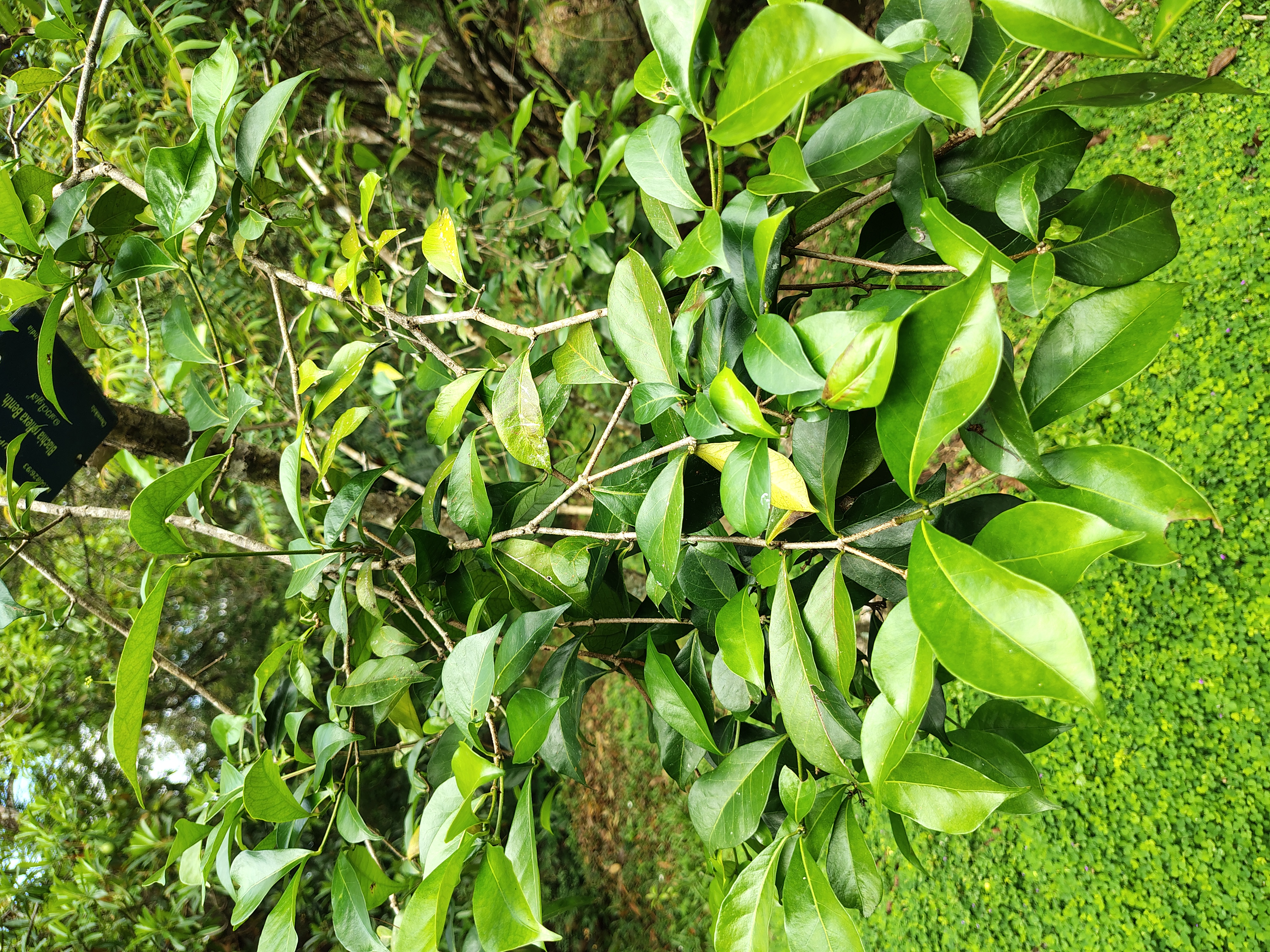
- Habit : Shrub
- Habitat : Endemic to the Western Ghats of India; occurs in forested regions of Karnataka
- Leaves : wide,ovate or obovate, oblanceolate to narrowly lanceolate-elliptic; glabrous.
- Flowers : Flowers greenish-white to white, arranged in umbels
Skin conditions, digestive problems, respiratory issues.
- Wounds,cracks : Leaves or other plant parts are crushed into a paste, sometimes mixed with oil, and applied directly to the skin to treat wounds, skin disorders, heel cracks, and body pain.
- Decoction: Plant parts (leaves, roots, or seeds) are boiled in water to create a liquid that can be taken orally or used as a wash.
- Jaundice : Fresh leaves are crushed to extract juice for internal consumption (e.g., for jaundice or stomach problems).
Propagation & Cultivation
Blachia umbellata grows best in warm, humid tropical conditions up to ~900 m elevation. It prefers partial shade or diffused light and moist, well-drained soils that retain moisture without waterlogging; sandy, loamy, or clay soils are suitable when enriched with organic matter. Regular watering is required to maintain consistent soil moisture. Propagation is mainly by seed or stem cuttings. Seeds are sown in a well-drained medium under warm, moist conditions and transplanted after establishment. Stem cuttings taken during the rainy season or spring root well in sand or a soil–sand–compost mix. Division of mature clumps can also be done in spring or autumn, ensuring each division has established roots.