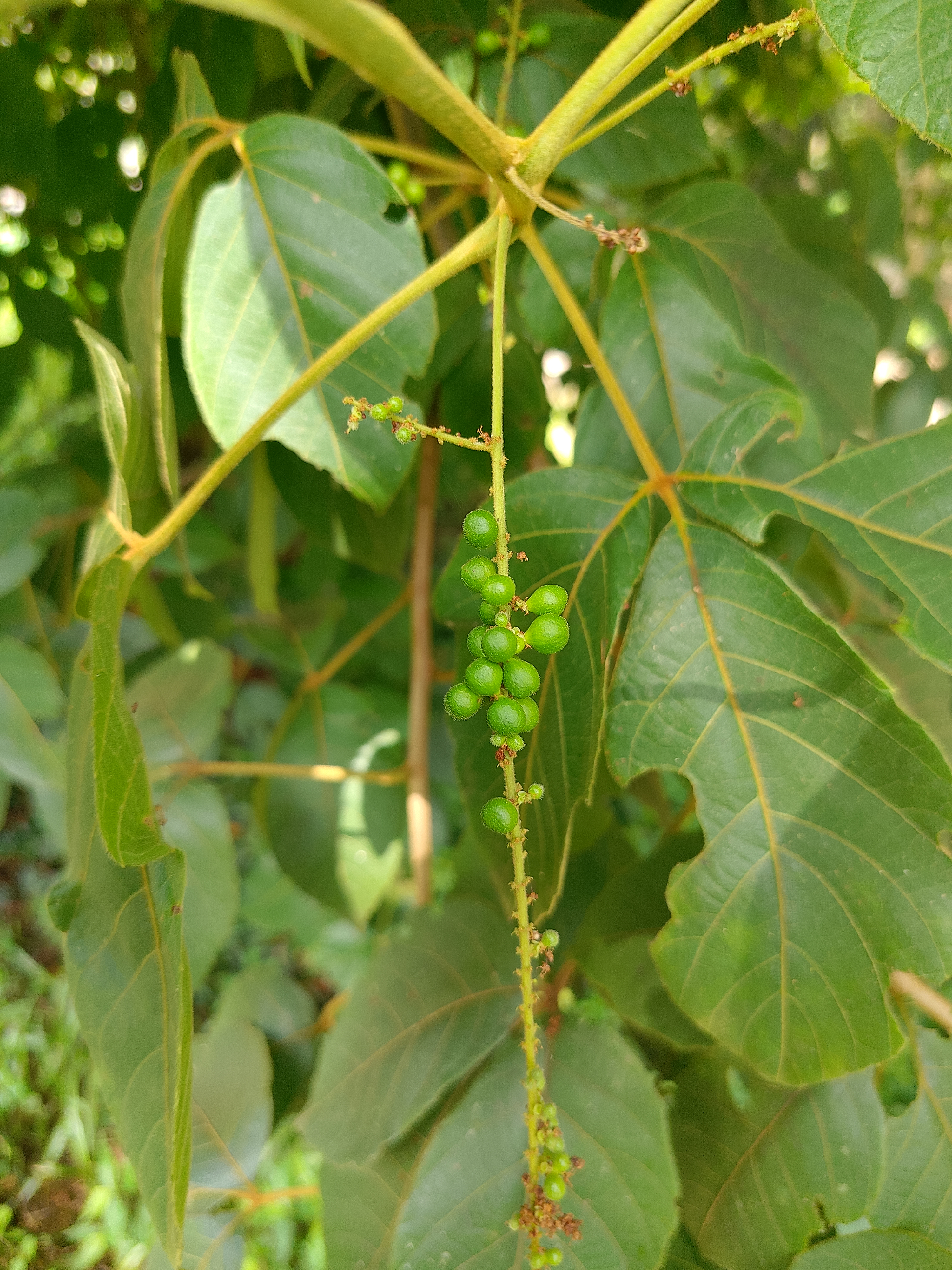
Titberry
Campaigns Published










Campaigns Unpublished
No Content Unpublished
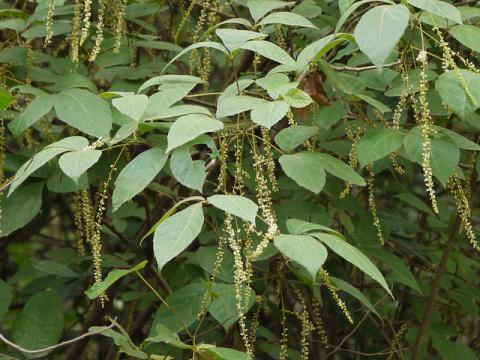
Scientific name
Allophylus concanicus Radlk.
English Name
Titberry
Malayalam name
മുക്കണ്ണന് പേഴ്
Common name
Indian Allophylus
Description
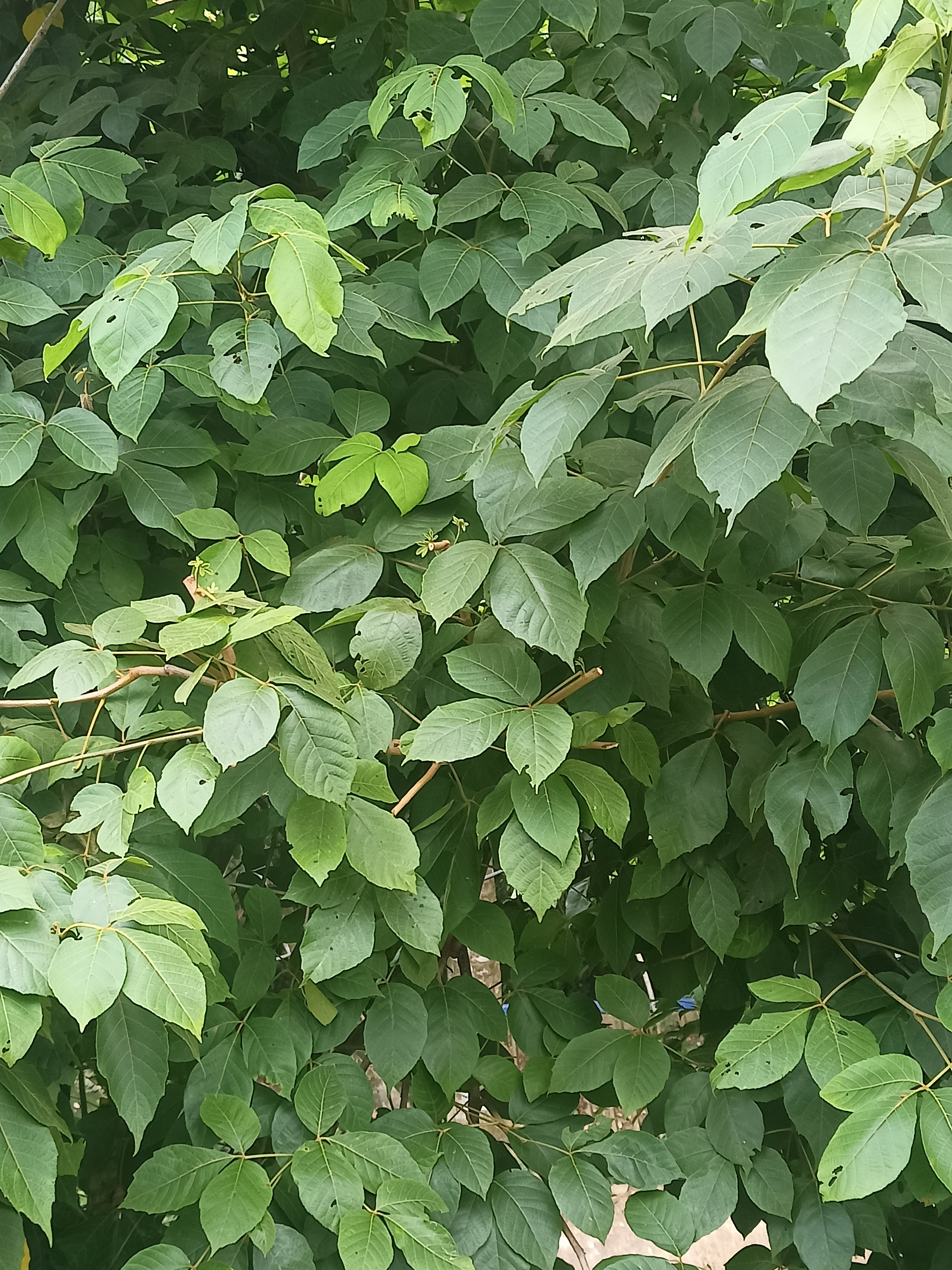
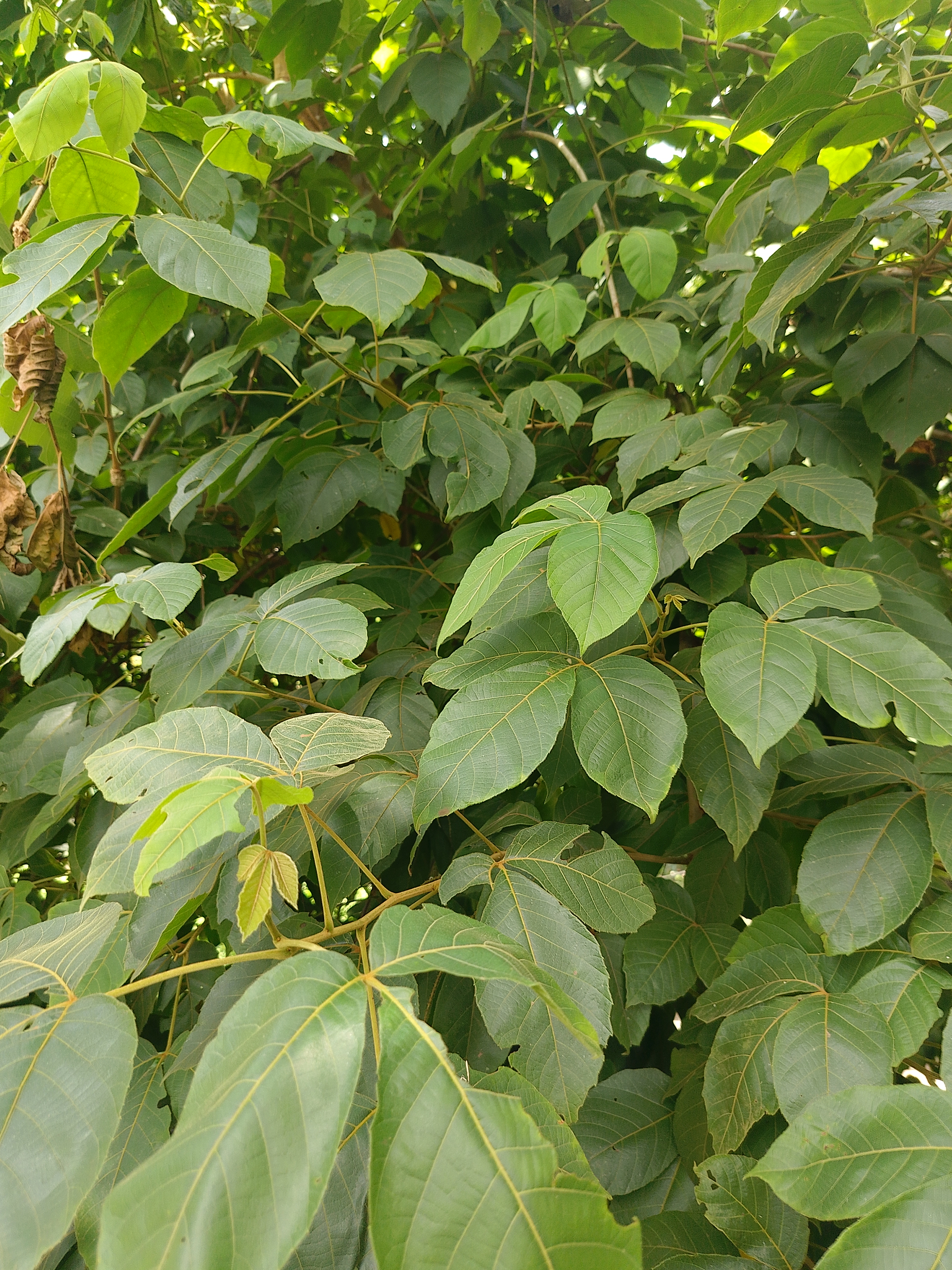
- Habit : Shrub
- Habitat : Tropical evergreen forests
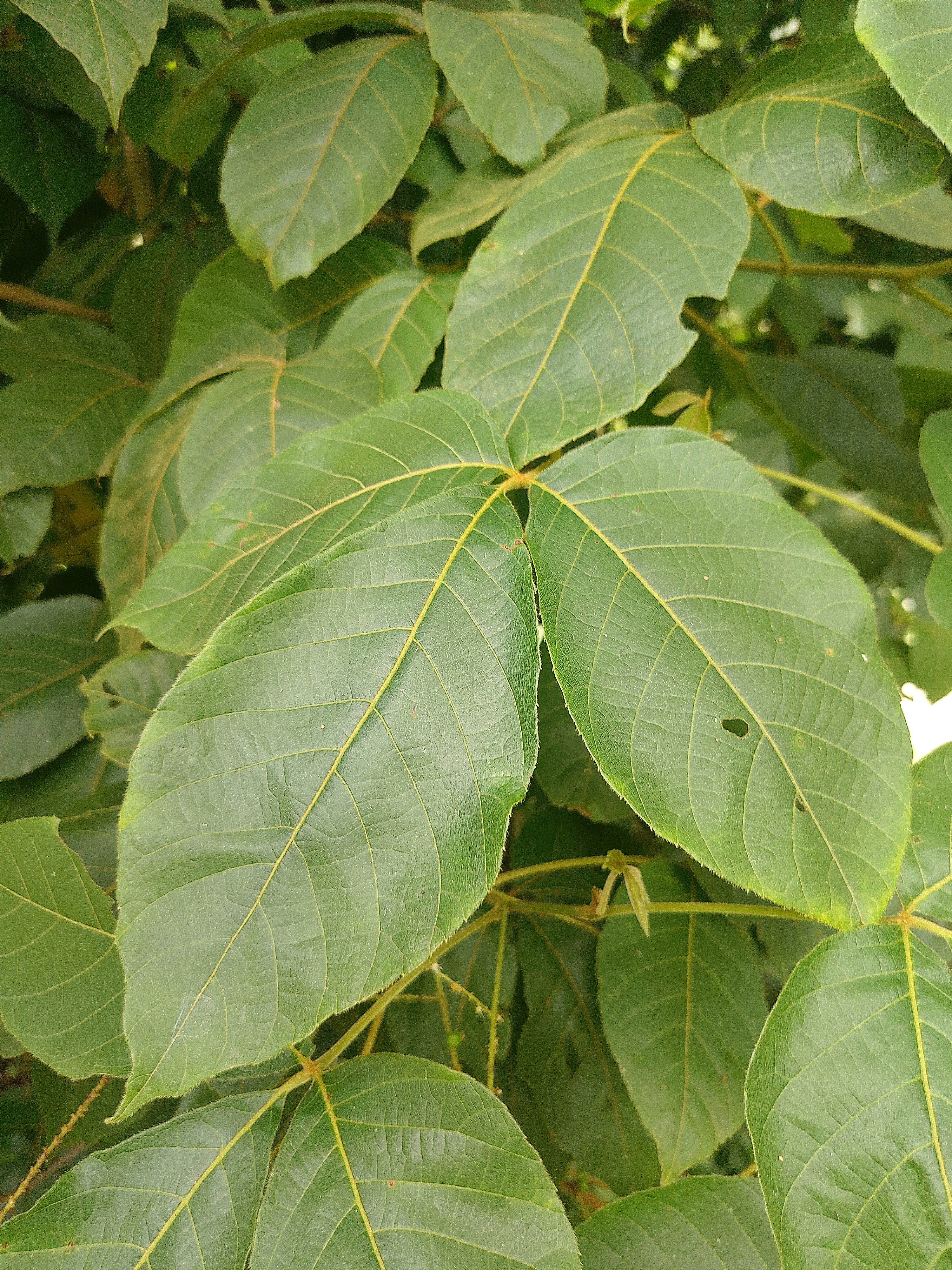
- Leaves : leaflets with a pubescent,brownish
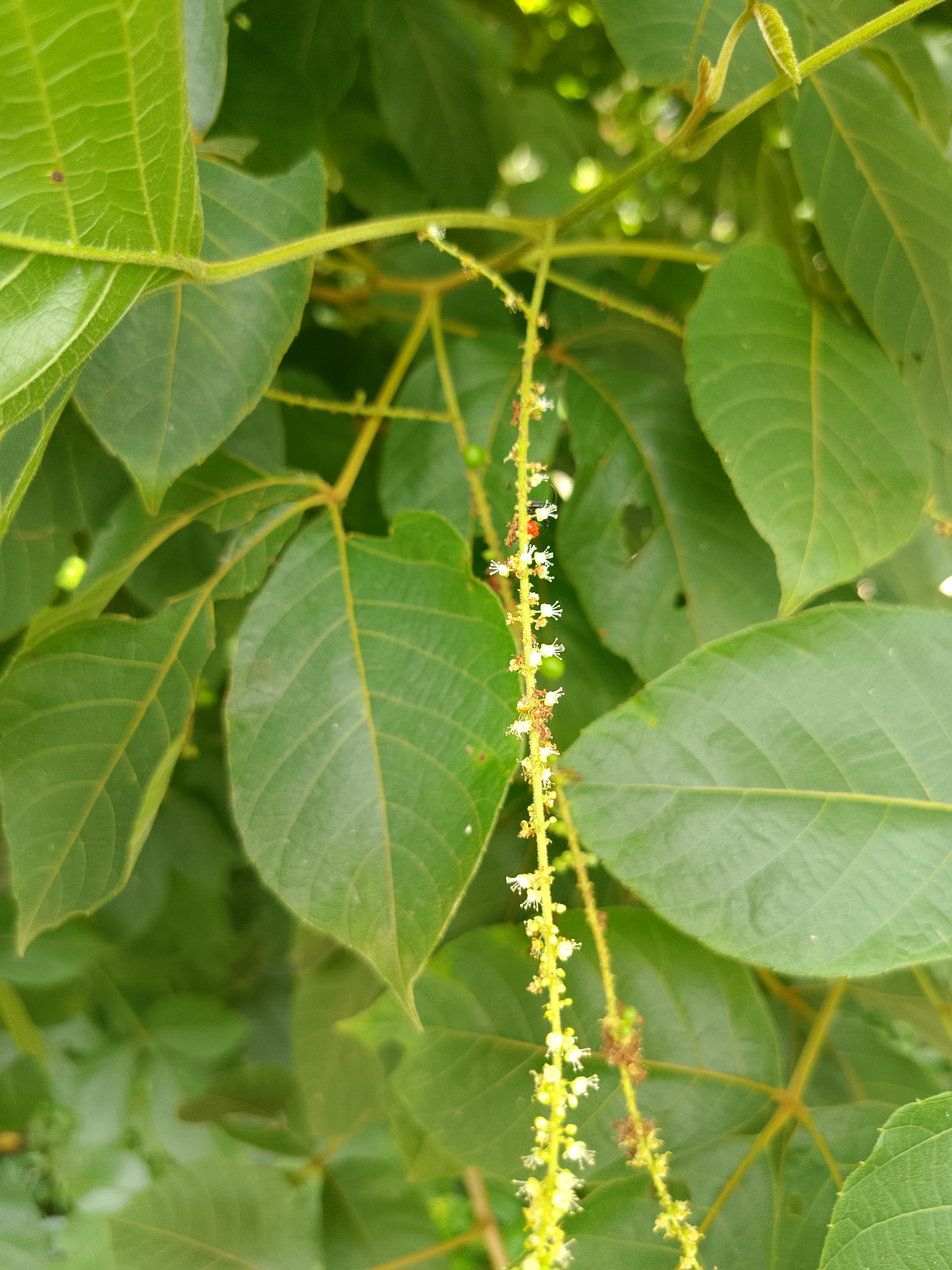
- Flowers: solitary or in pairs,with hairy and whitish petals
Uses
Joint dislocation,fracture, snake/insect bites,fever, cold, stomach ache.
Parts used
Leaves
How to use
- For wounds : Fresh leaves are crushed and applied directly to wounds, cuts, or in cases of snake/insect bites.
- Joint Pain Relief : Dried leaf powder is mixed with jaggery and taken on an empty stomach to treat joint pain.
- Fever, cold : Leaves are boiled to create a decoction to treat fever, colds, and stomachaches.
- Used as bandage : In some traditional applications, bark/leaves are used in bandages for fractured bones
Propagation & Cultivation
As a woody shrub, it produces seeds that can be used for propagation. Seeds should be collected during the fruiting season (December-April) and sown in well-drained, sandy, humus-rich soil.Allophylus species are generally propagated via cuttings. For A. concanicus, taking semi-hardwood cuttings in a humid environment is recommended, ensuring they are rooted in well-drained soil. As a shrub in shola and evergreen forests, it thrives in partial shade or dappled light conditions rather than direct, harsh sunlight.Requires well-drained, organic-rich soil. It is well-adapted to moist, forest-floor environments.