4 O' Clock Plant Marvel
Campaigns Published










Campaigns Unpublished
Description
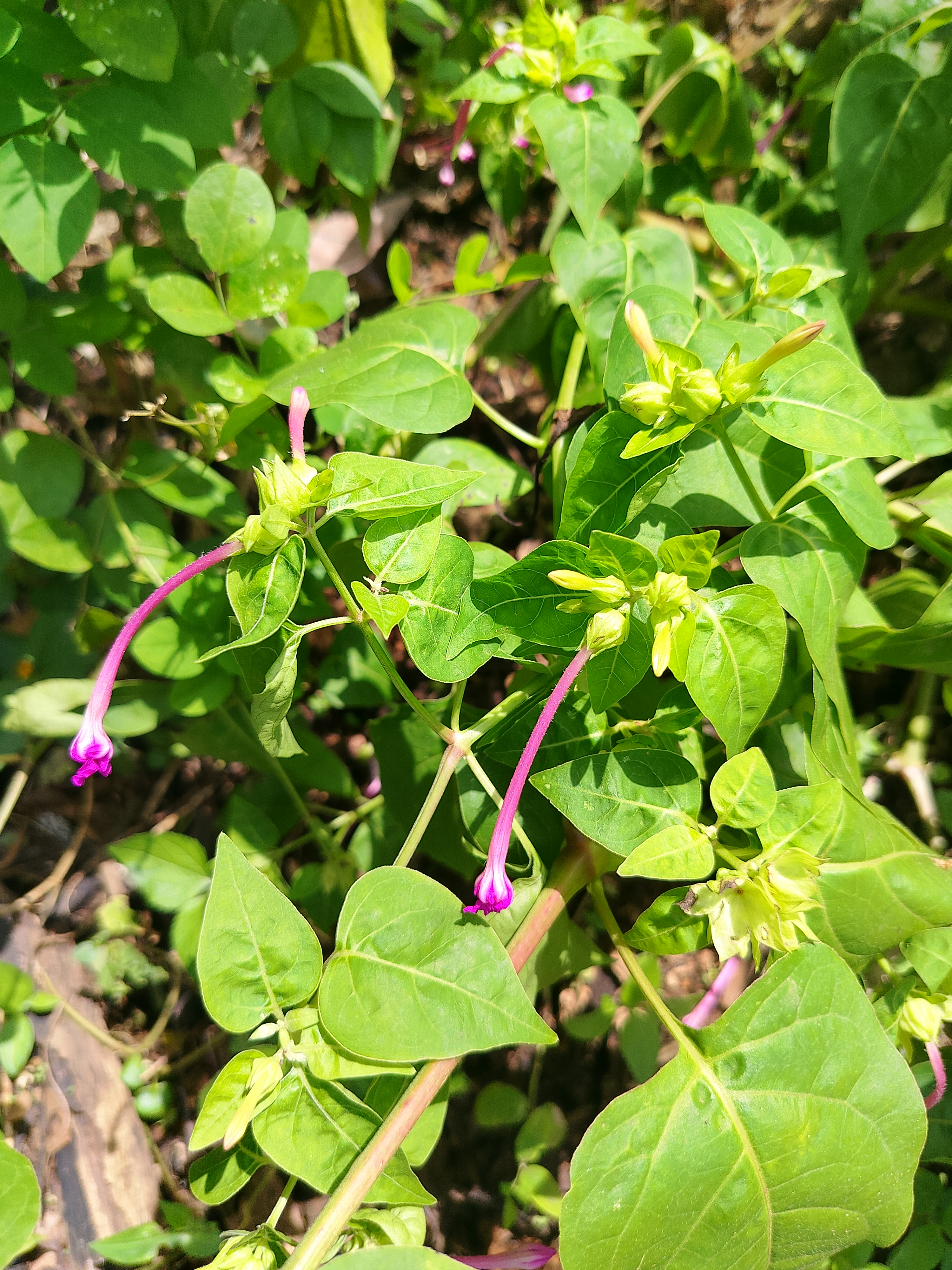
- Habit : Herb
- Habitat : A common ornamental herb , weed in cultivated ground.
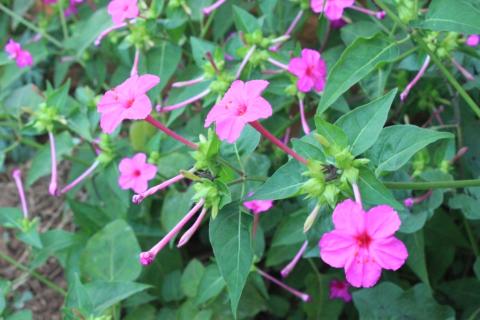
- Leaves : simple, opposite, and ovate-lanceolate
- Flowers : trumpet-shaped blooms with five lobes, flowers bloom in late afternoon in diverse colors including white, yellow, pink, red, and magenta, often appearing in bicolored or mottled patterns on the same plant.
Diarrhoea, indigestion and fevers,menstrual disorders,wounds,inflammation
- A paste of the root is applied as a poultice to treat scabies and muscular swellings
- The juice of the root is used in the treatment of diarrhea, indigestion and fevers
- The powdered root, mixed with corn flour is baked and used in the treatment of menstrual disorders
- The leaves are diuretic they are used to reduce inflammation and the leaf juice is used to treat wounds
Propagation & Cultivation
Seed remains viable for several years. Sow the seed in a lightly shaded position in trays and, when they are large enough to handle, prick the seedlings out into individual pots and plant them out when large enough to handle.Dig up the roots when the plant becomes dormant then divide them and replant. Mirabilis jalapa is a plant mainly of the subtropical zone, but is widely cultivated and has escaped and can now bee found established in many countries of the world from the warm temperate zone to the tropics. The roots of established plants can survive winter temperatures down to -5°c. Succeeds in almost any ordinary garden soil. Prefers a fertile well-drained soil in a warm, sheltered position in full sun or part day shade. The plant can also be grown as an annual, flowering freely in its first year of growth.Plants can self-sow freely in warmer areas (these seedlings can be easily transplanted) and they can become a weed in such situations due to their deep rooting habit