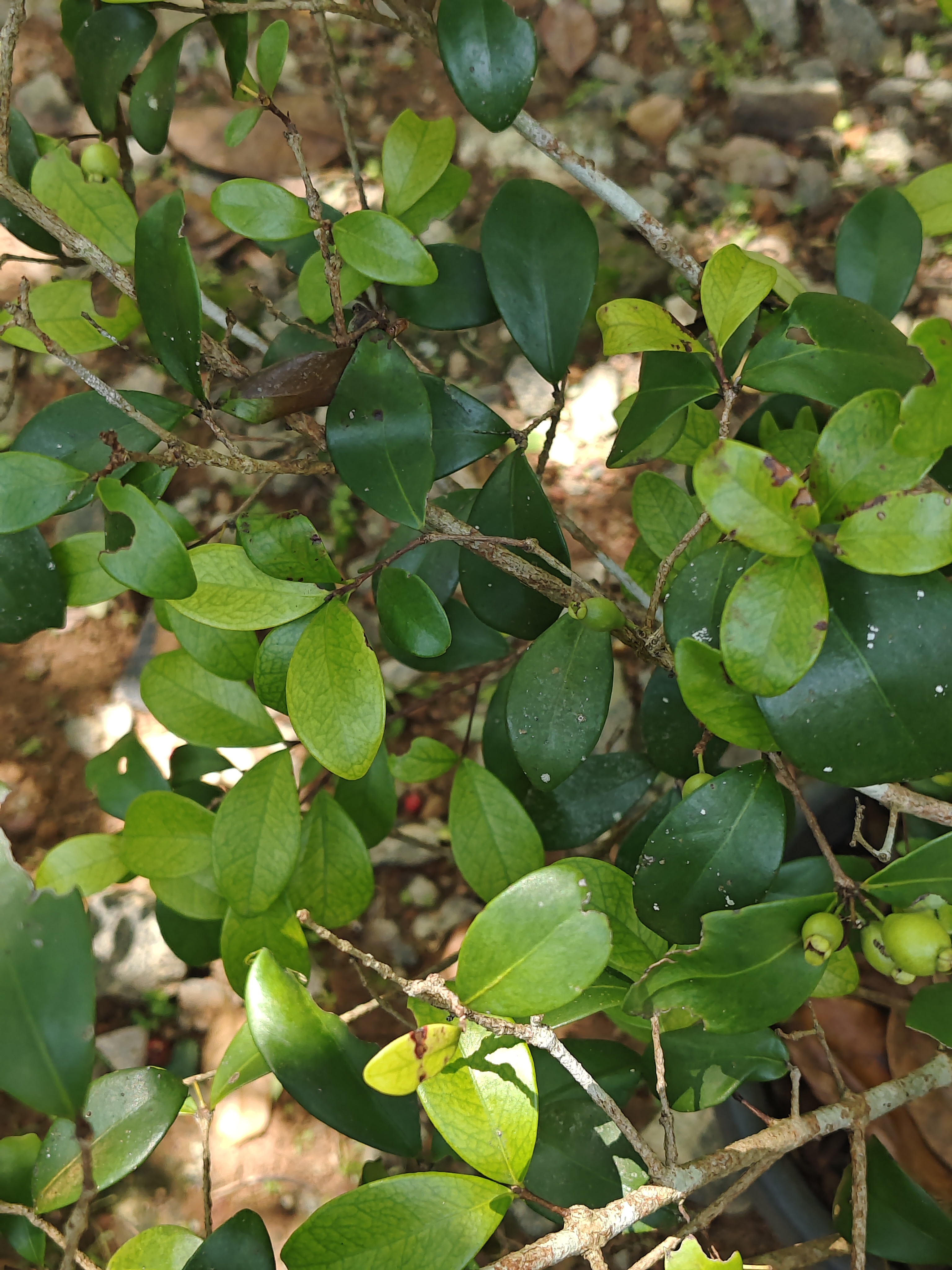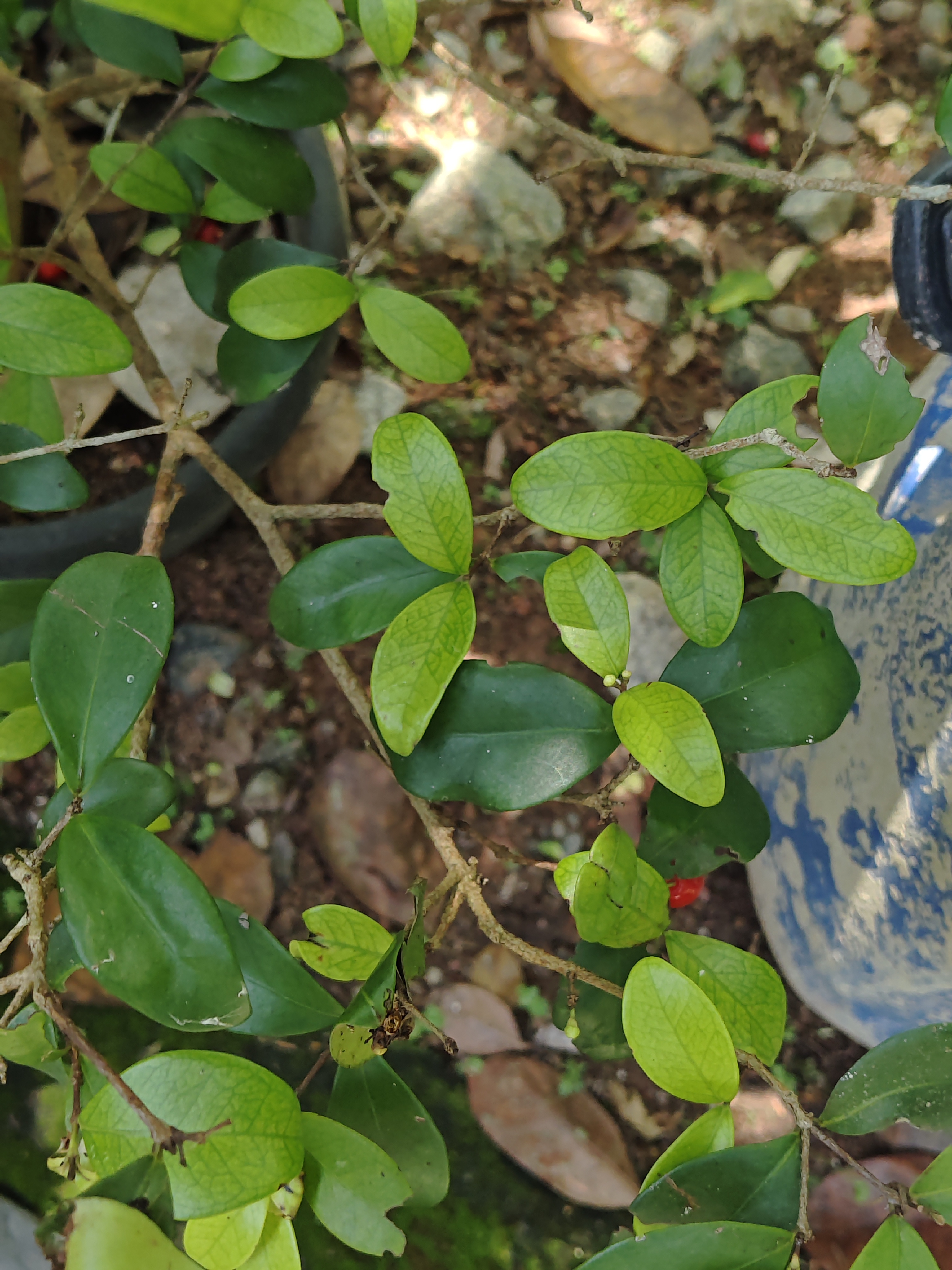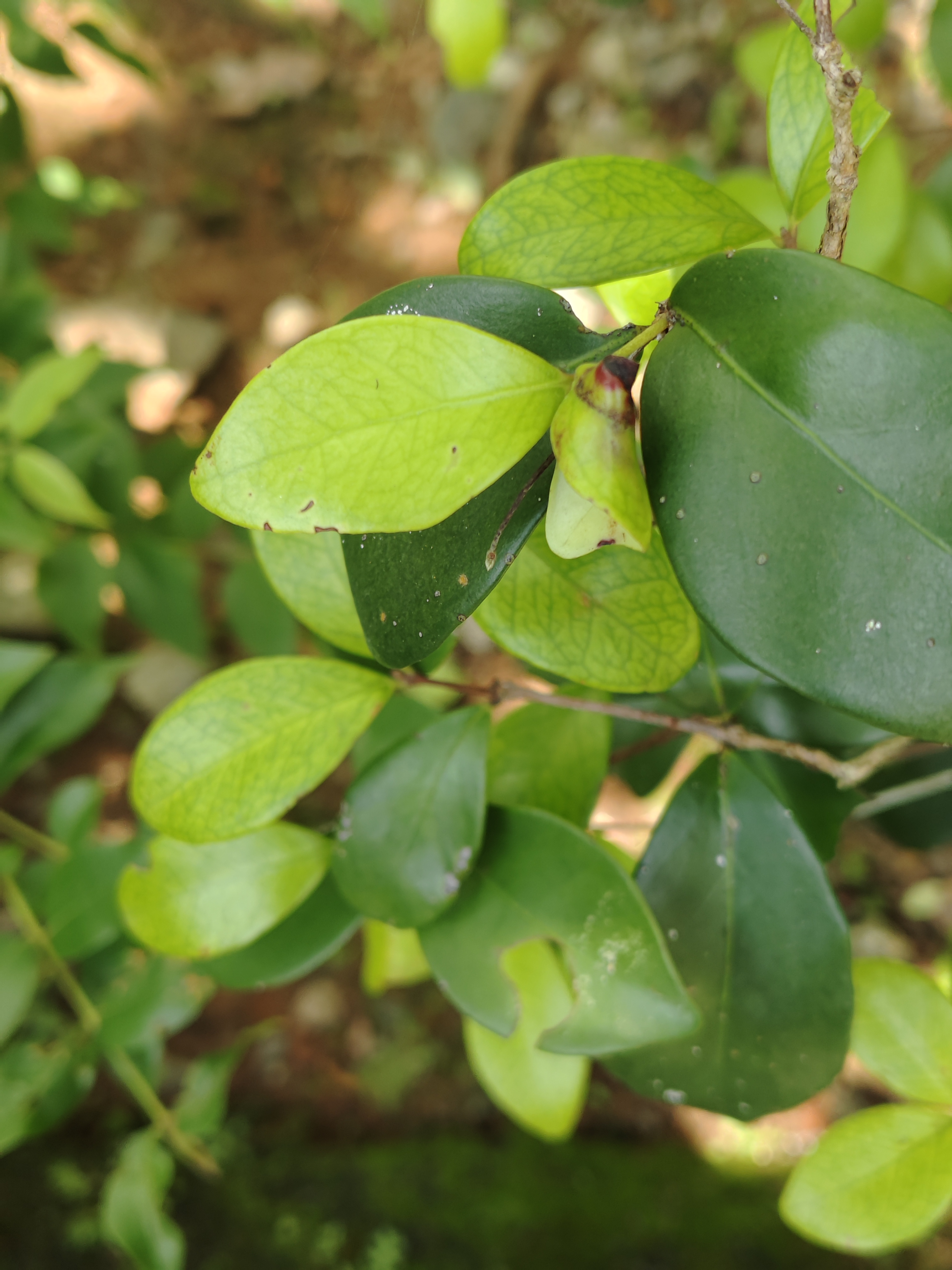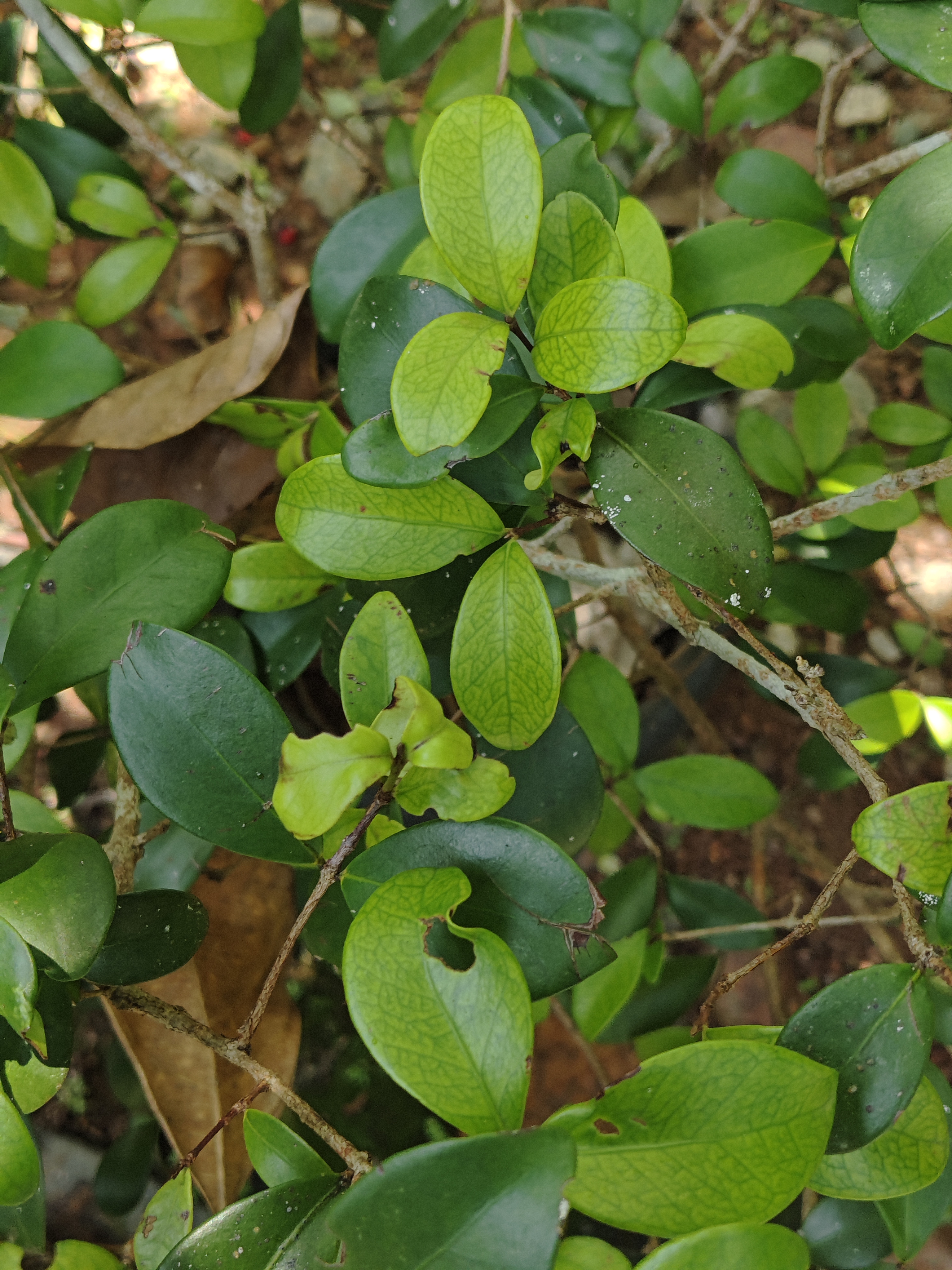
Cedar Bay Cherry
Campaigns Published










Campaigns Unpublished
No Content Unpublished
Scientific name
Eugenia reinwardtiana
English Name
Cedar Bay Cherry
Malayalam name
സെഡർ ബേയ് ചെറി, ബീച്ച് ചെറി
Common name
Cedar Bay Cherry, Beach Cherry
Description
- Habit: Evergreen shrub or small tree
- Habitat: Small tree of the rain forests
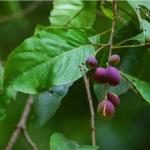
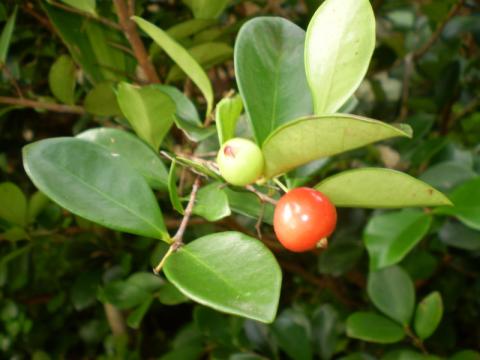
- Leaves: Small, glossy, and leathery. They are elliptic to ovate and arranged oppositely.
- Stem: Slender branches with grayish-brown bark.
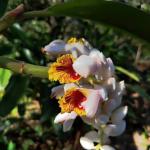
- Flowers: Small, creamy white, and fragrant.
- Fruit: A globular or slightly ovoid berry, red color.
Uses
Anti-inflammatory ,antibacterial ,prevents constipation,
Parts used
Fruits , Leaves
How to use
- Tea/Infusion: Young leaves are boiled in water to create a decoction or tea for treating internal ailments.
- Poultice: Leaves are crushed or ground to form a paste, applied directly to the skin for infections, sores, or stings.
- Fresh Consumption: Ripe fruits are consumed directly.
- Culinary: The fruit is eaten fresh and has a pleasant, sweet-tart flavor similar to a mix of grape and cherry. It is also used in jams, jellies, and desserts.cherries are a significant source of vitamin C
Propagation & Cultivation
Propagation: Seeds: Most common method; fresh seeds germinate within 3–6 weeks.
Layering/Cuttings: Can be propagated via air-layering or semi-hardwood cuttings for faster fruiting.
Cultivation: Prefers well-drained, fertile loamy soil but is adaptable to sandy or rocky soils.
Thrives in full sun to partial shade. In the hot Kerala sun, a little afternoon shade can prevent leaf scorch. Needs consistent moisture but does not tolerate waterlogging. Fruiting typically begins in 2–4 years.