Tumeric
Campaigns Published










Campaigns Unpublished
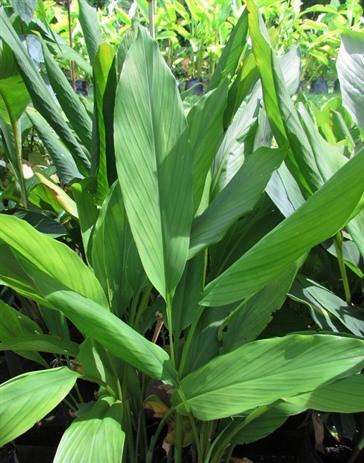
Description
- Habit : Herb
- Habitat : Grows wild in degraded forests,and in plantations
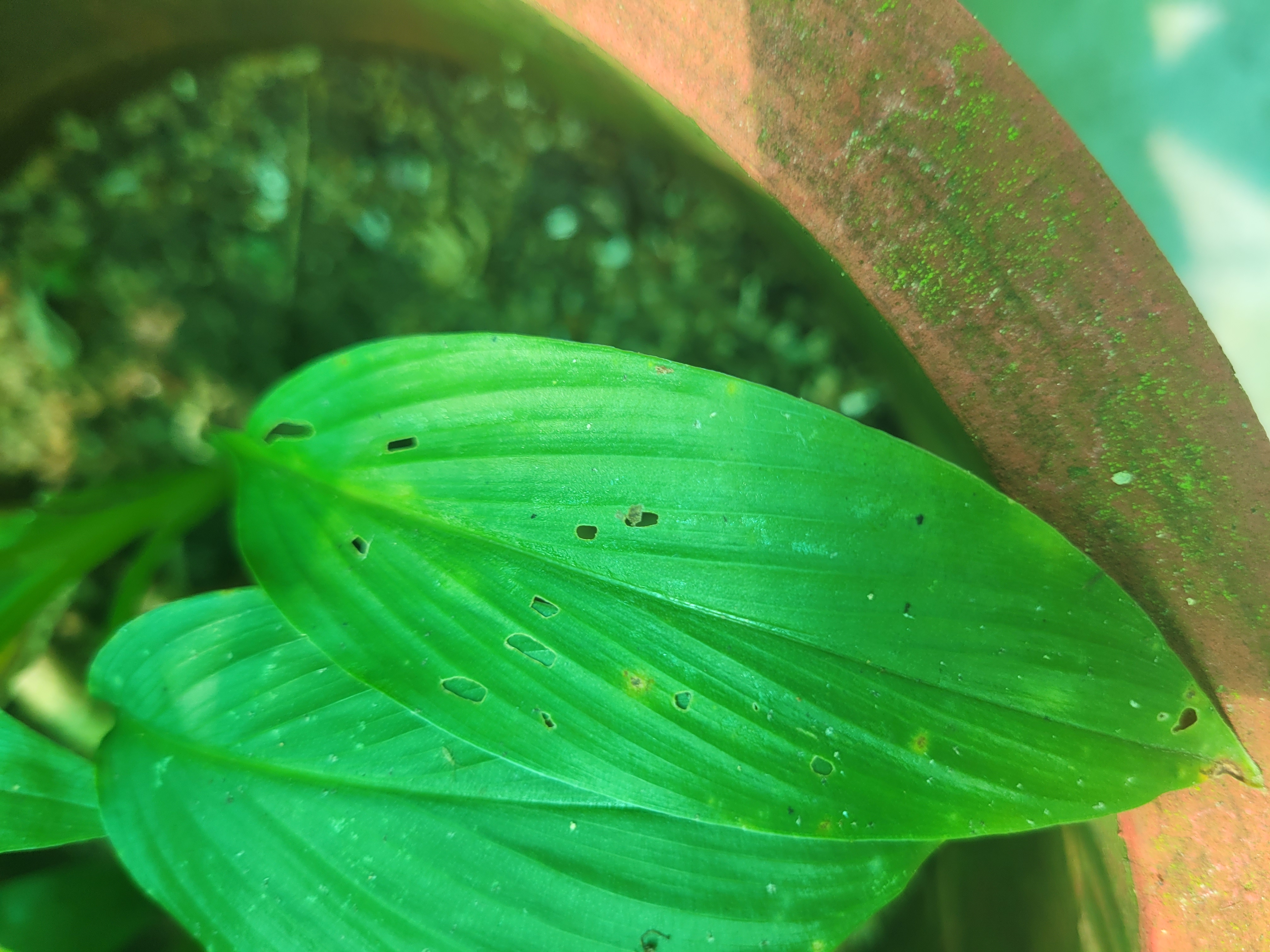
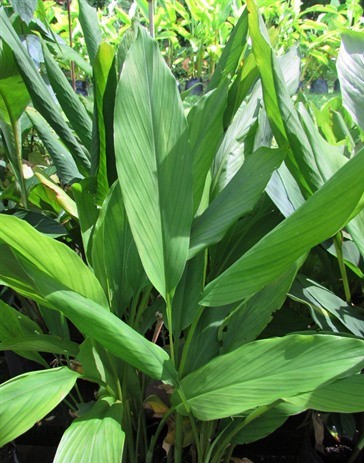
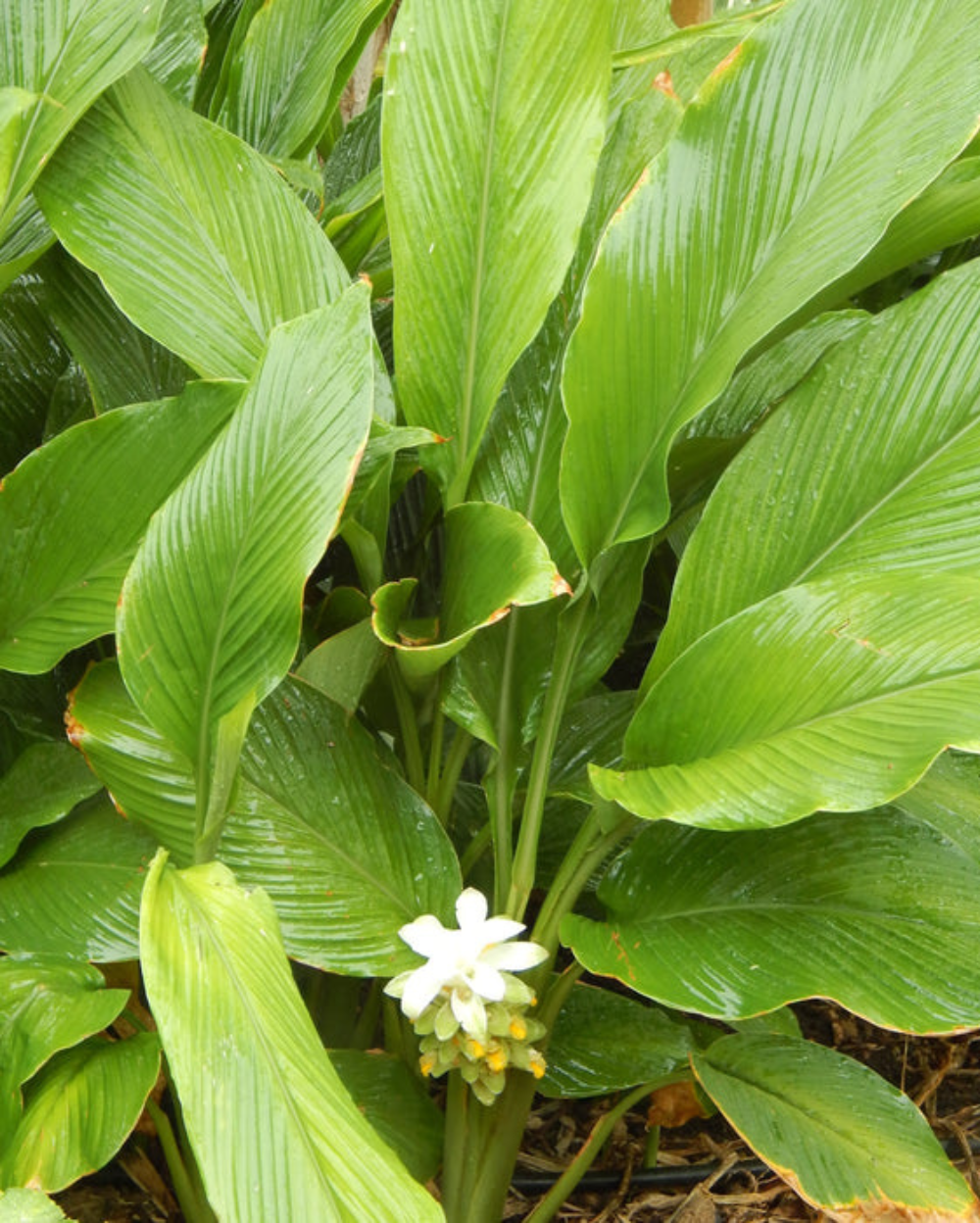
- Leaves : large,oblong,that are dark green on the upper surface and pale green underneath.
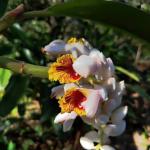
- Flowers : yellow-white flowers grow on a spike-like stalk
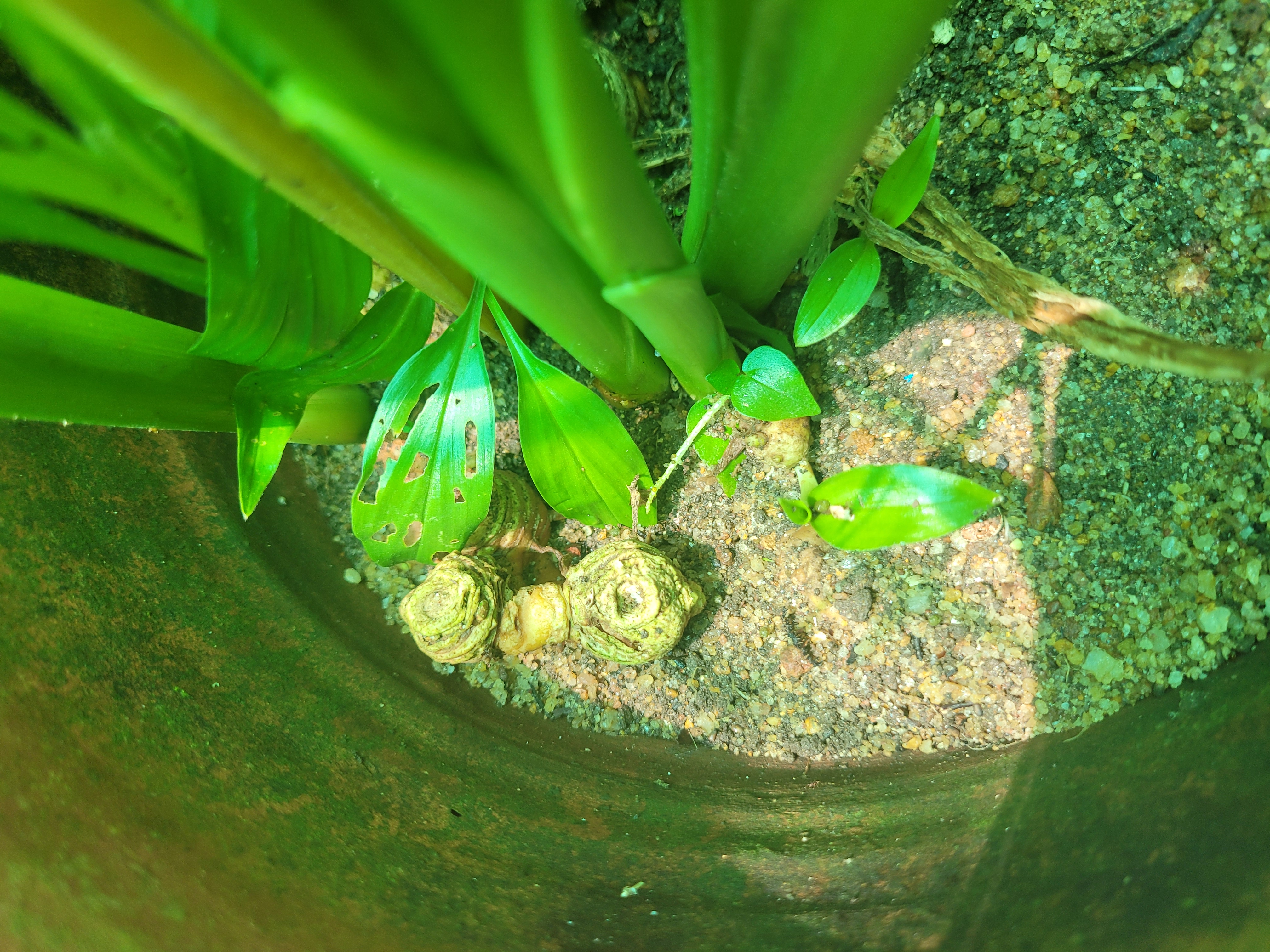
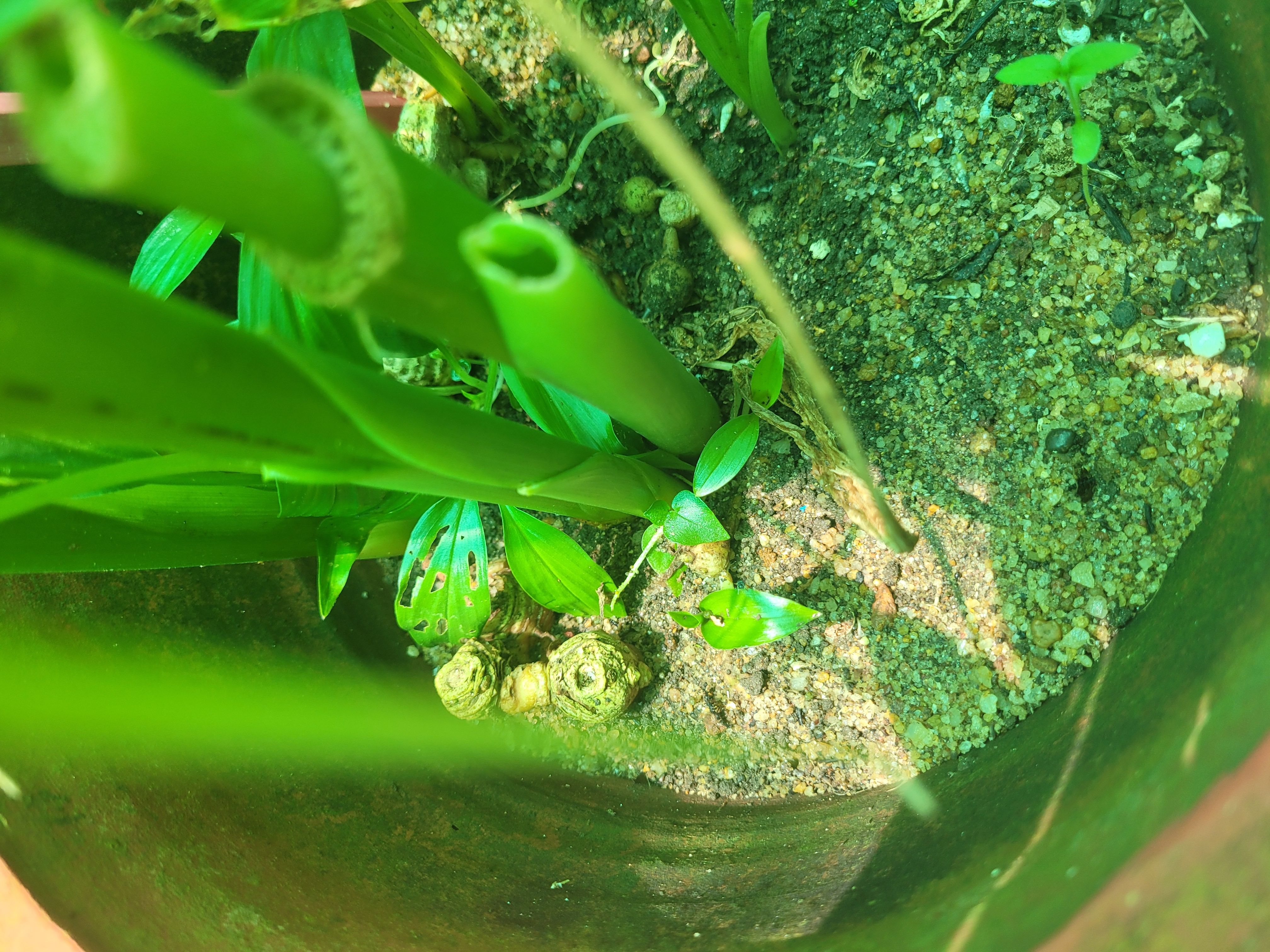
- Stems : underground stem which is thick and ringed with bases of old leaves
- Leaf juice is used to treat sore eyes.
- The vapur from the crushed leaves is inhaled to treat colds and running noses.
- The rhizome with coconut oil is used as stomachic and vulnerary
Cold,running noses,Anti-bacterial
Propagation & Cultivation
Turmeric is propagated vegetatively using rhizomes, which are cut into small pieces and planted at the onset of the monsoon in warm, humid conditions; it grows well in fertile, well-drained loamy soil with regular irrigation, mulching, and organic manuring. Rhizomes for seed are generally heaped under the shade of trees or in well-ventilated sheds and covered with turmeric leaves; sometimes, the heap is plastered with earth mixed with cow dung, or the seed rhizomes are stored in pits with sawdust, covered with wooden planks having one or two holes for aeration. The crop is ready for harvest in 7–9 months when the leaves turn yellow, after which the rhizomes are dug up, cleaned, boiled, and sun-dried for use or storage.