Black Tumeric
Campaigns Published















Campaigns Unpublished
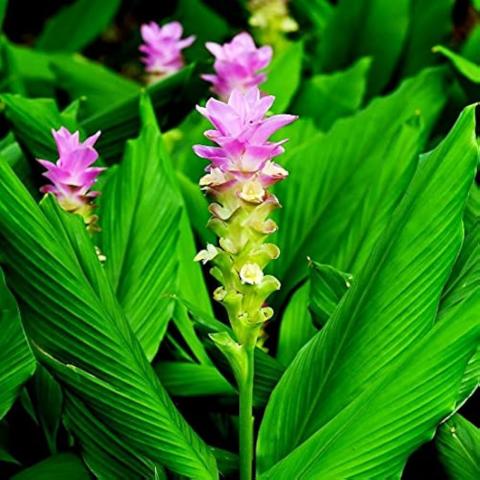
Propagation & Cultivation
Rhizome is the propagation material.Mature rhizomes are collected in December or just before plantation and longitudinally sliced with one apical bud in each slice.Curcuma caesia grows well in sandy loam, acidic soils of pH 4.5–6.5.It is a partial shade-loving species; however, it grows well in open sun under cultivated conditions.
Description
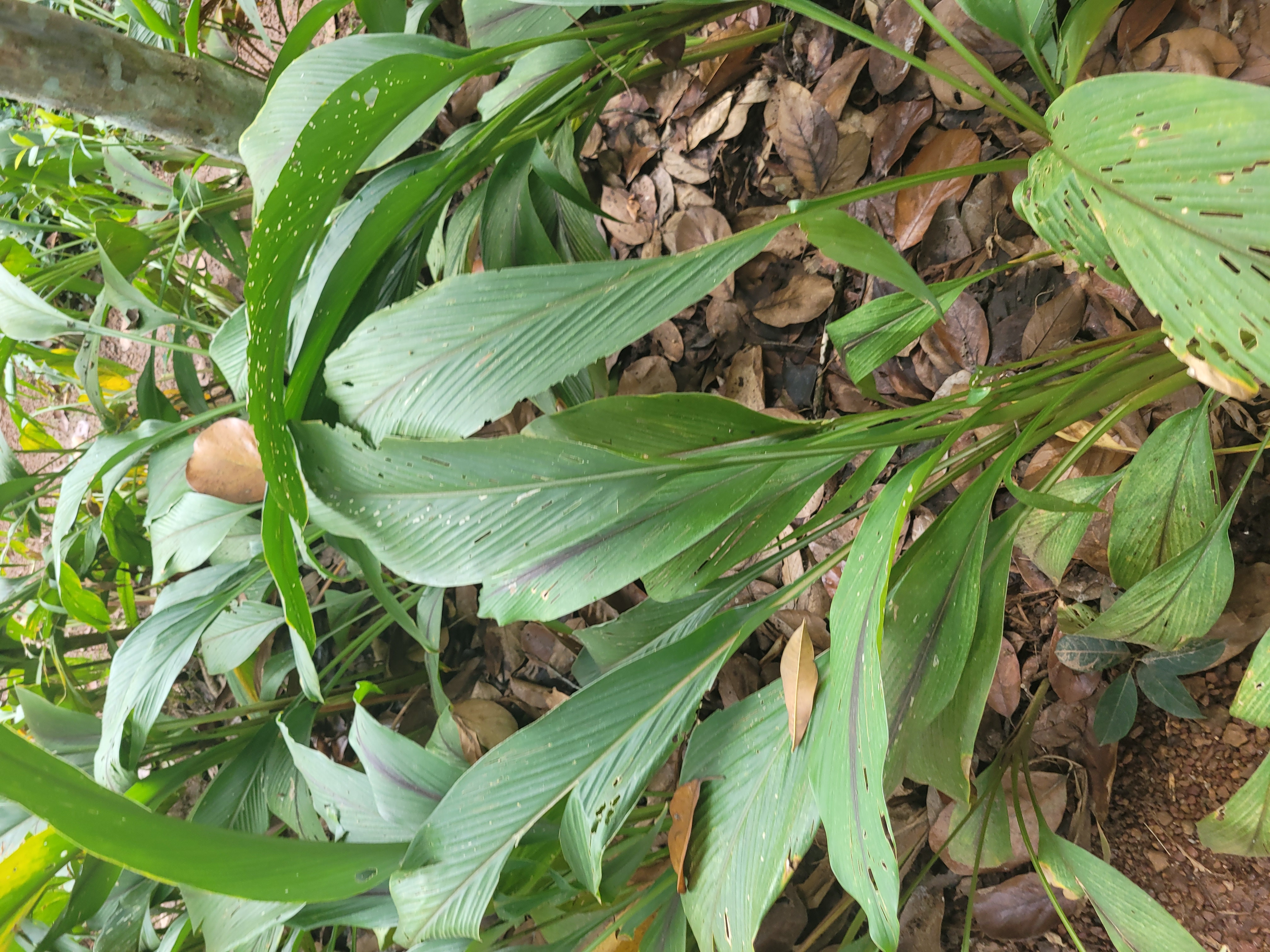
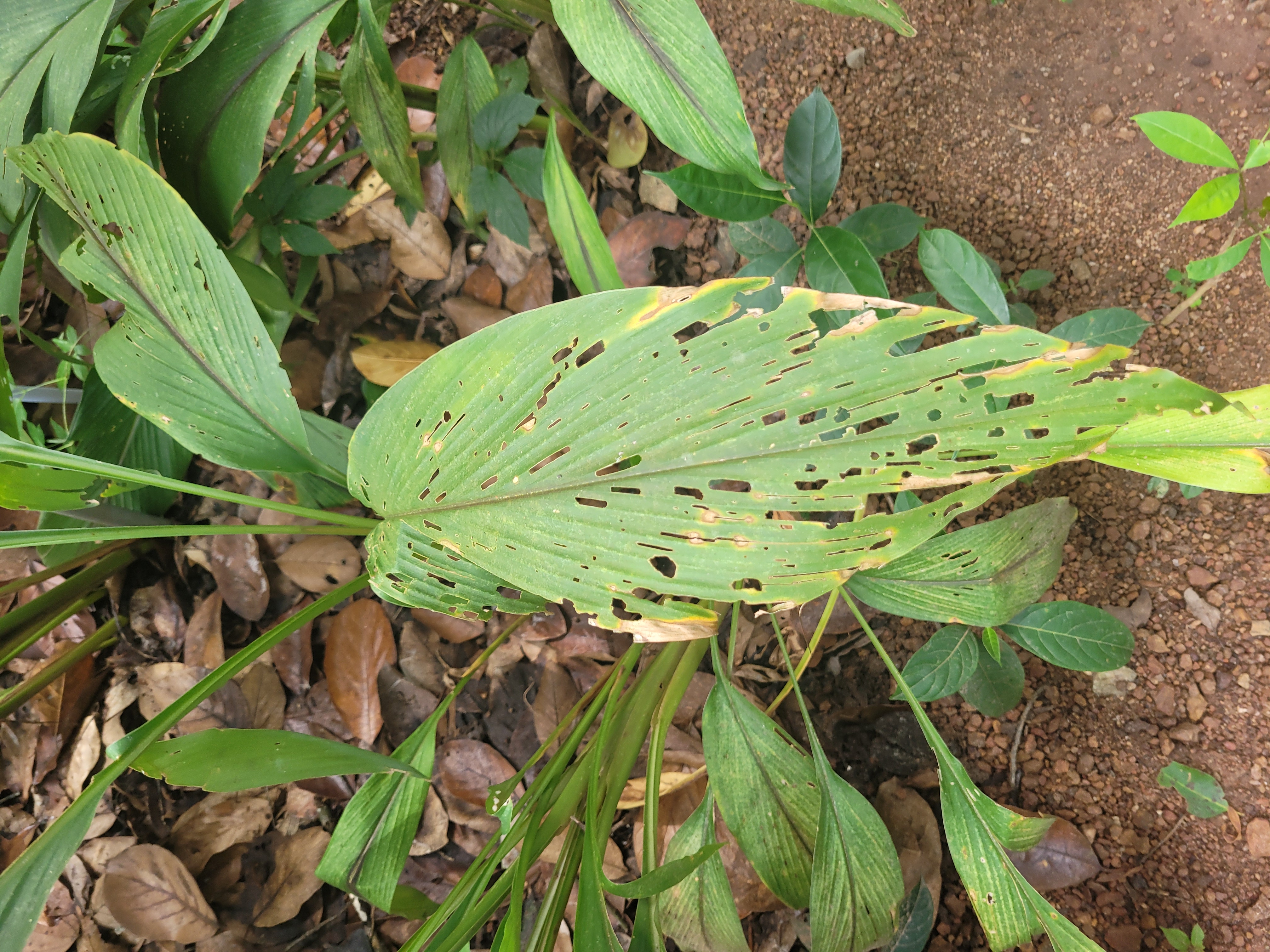
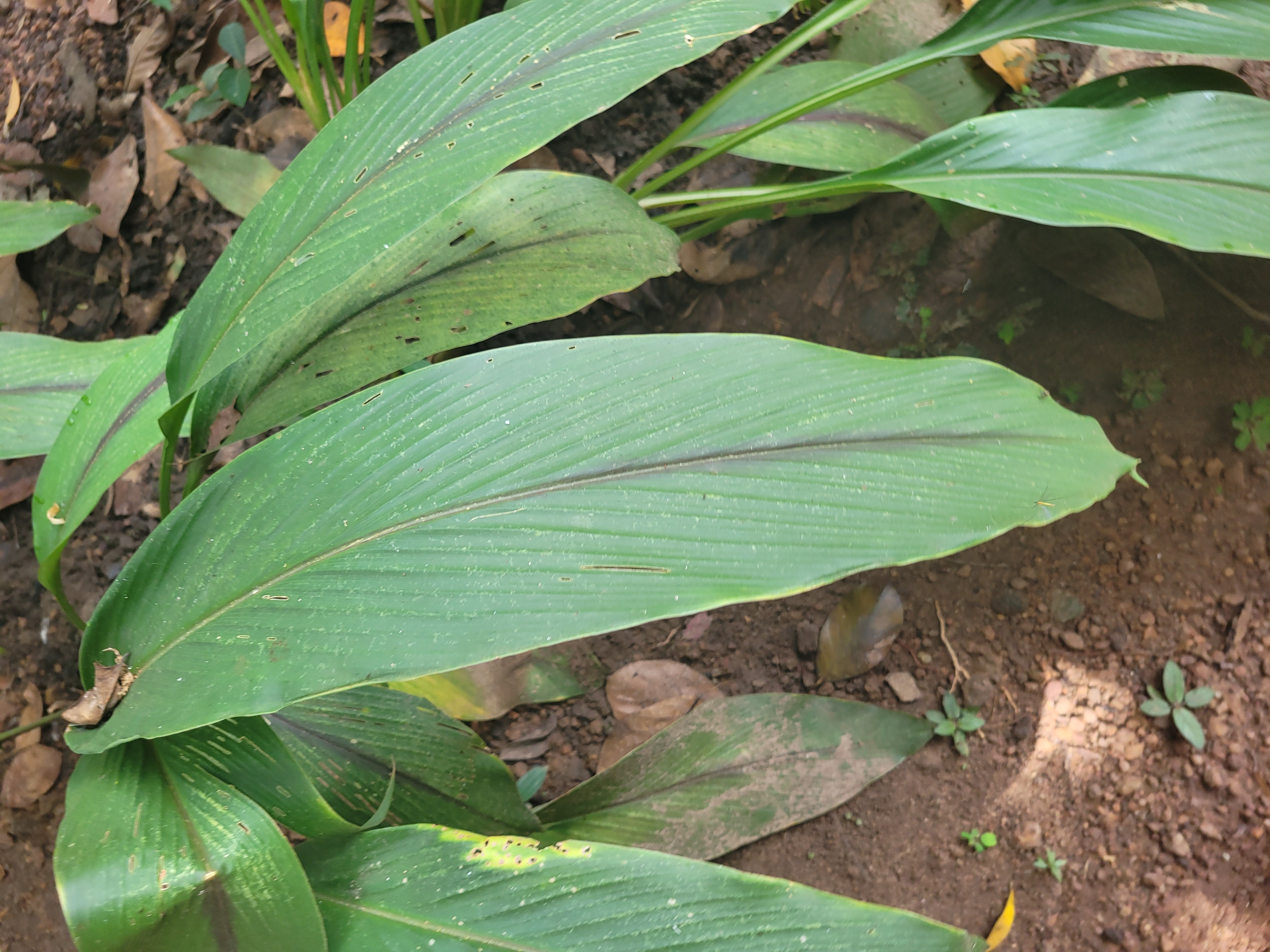
- Habit : Herb
- Habitat : grows in rich humid and clayey soils
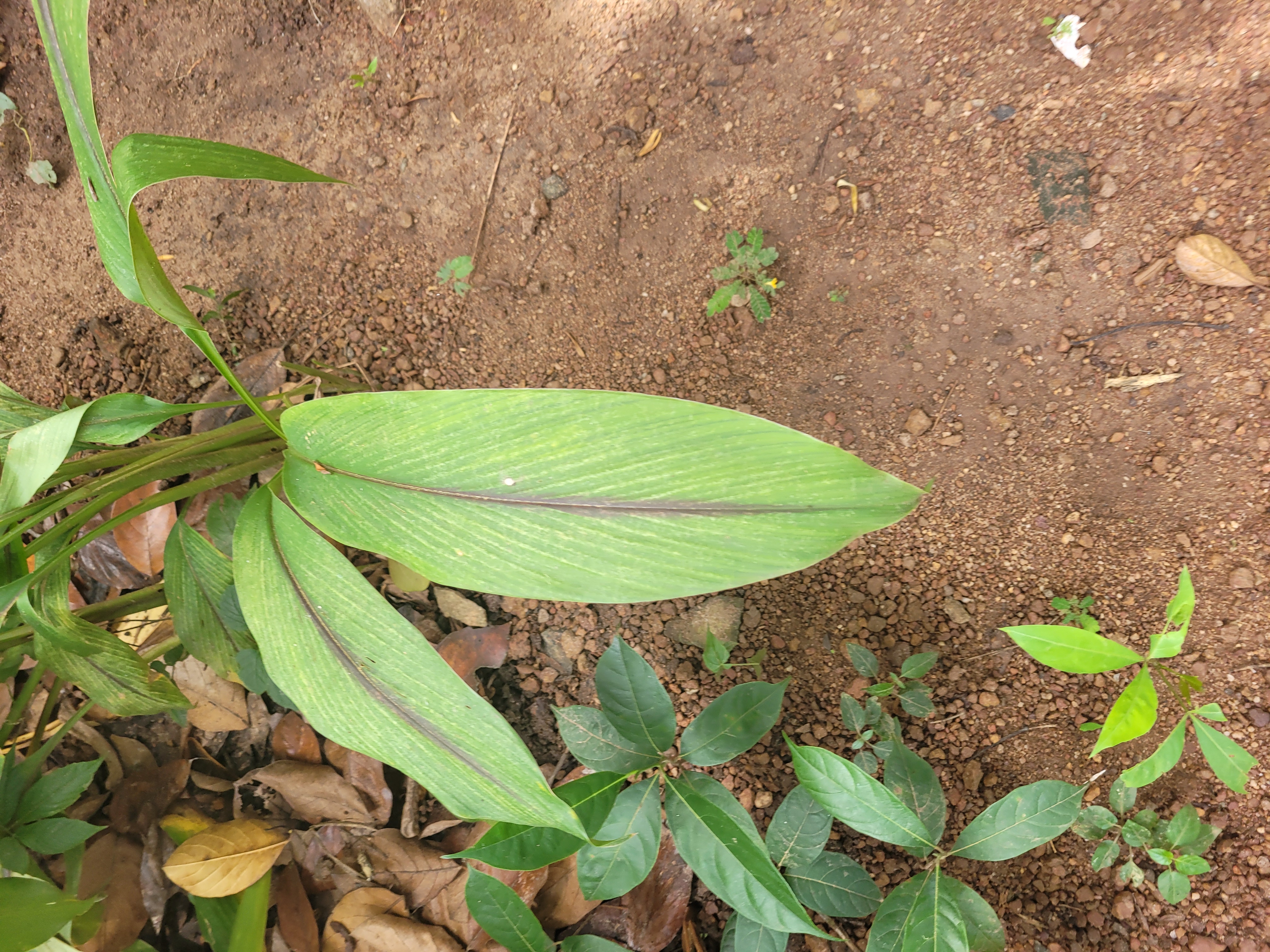
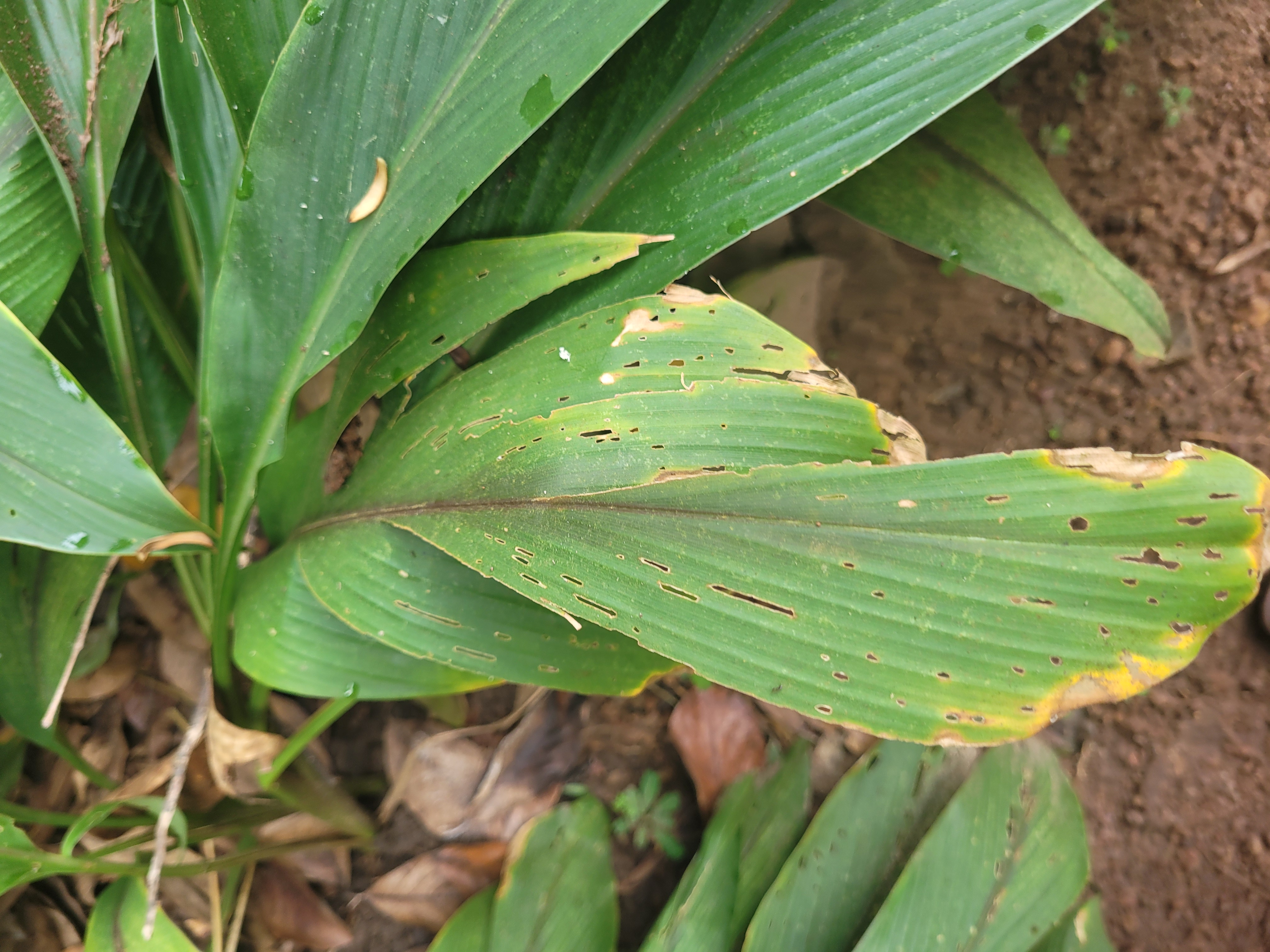
- Leaves : lanceolate to oblong leaves, with a red-black stripe
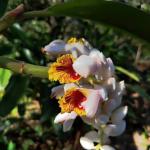
- Flowers : Flower petals in deep pink or red in color
- Rhizomes : cylindrical and often branched, brownish-yellow in color
- Stem : Upright stems
- Snake and scorpion bite : The fresh rhizome paste of karimanjal is applied externally
- Rheumatic arthritis : Rhizome of Curcuma caesia is grounded in the form of paste
Used for wound healing, digestive issues and for Skin health
Propagation & Cultivation
Rhizome is the propagation material.Mature rhizomes are collected in December or just before plantation and longitudinally sliced with one apical bud in each slice.Curcuma caesia grows well in sandy loam, acidic soils of pH 4.5–6.5.It is a partial shade-loving species; however, it grows well in open sun under cultivated conditions.