Moon Creeper
Campaigns Published















Campaigns Unpublished
Description
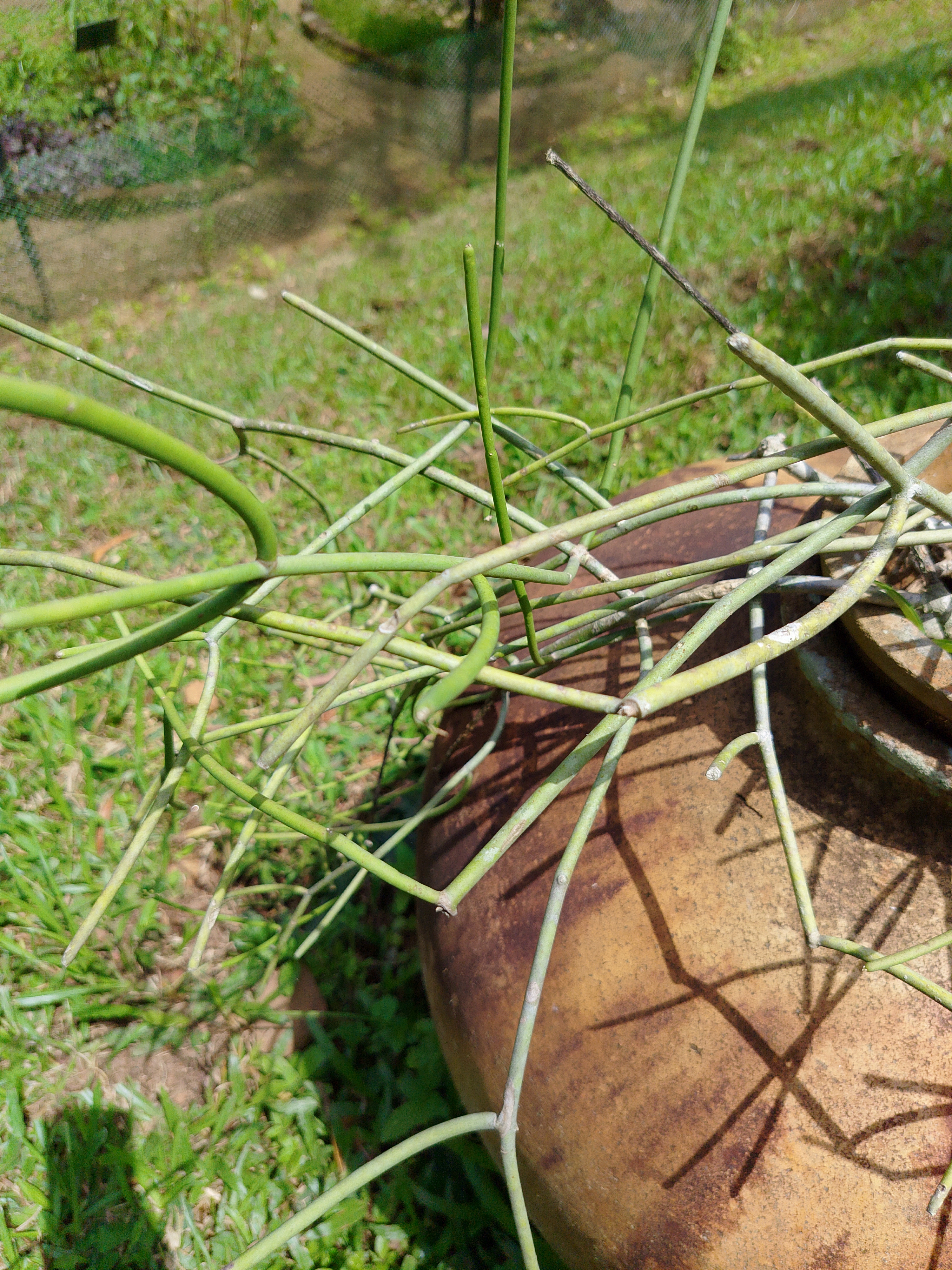
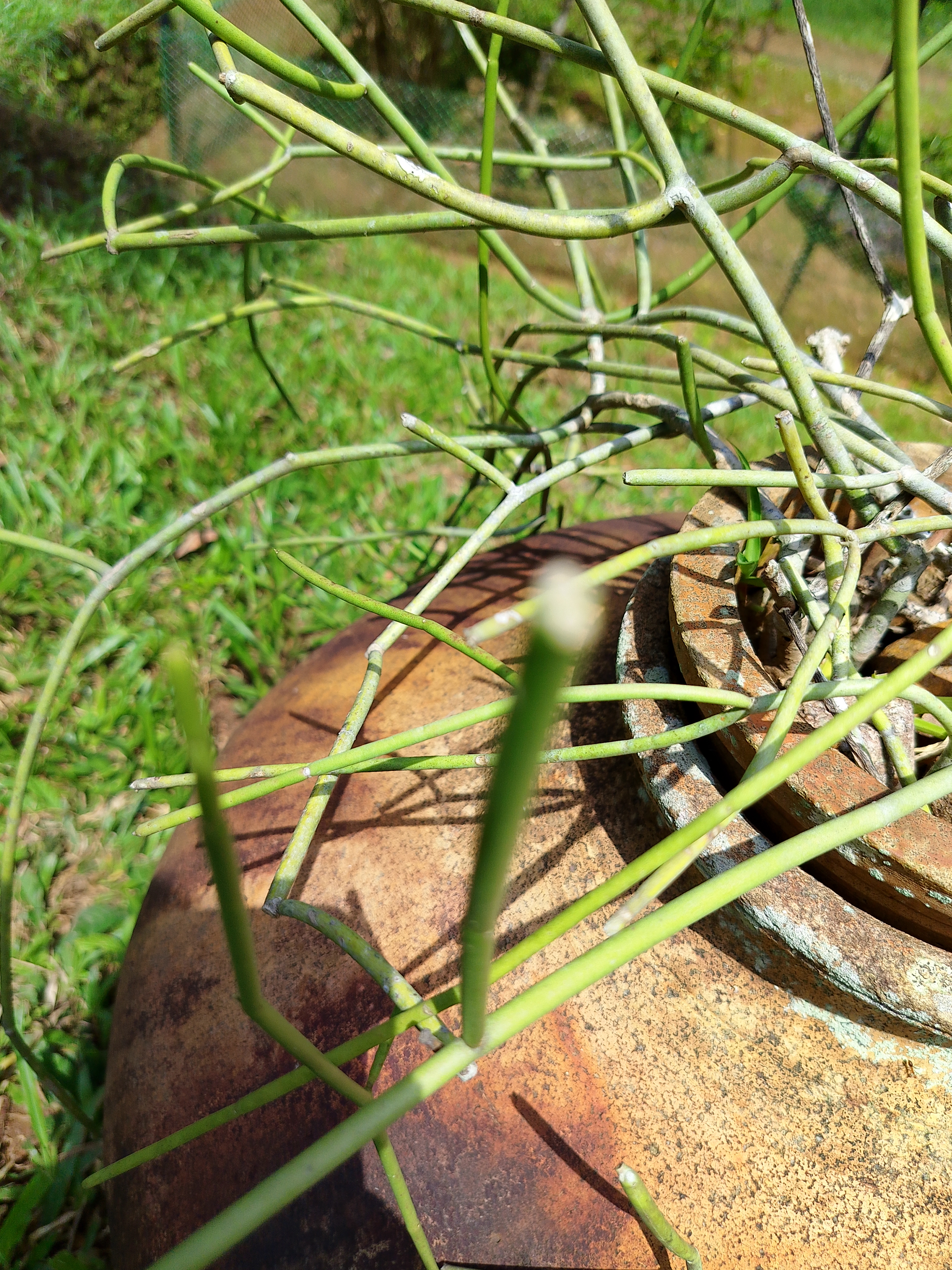
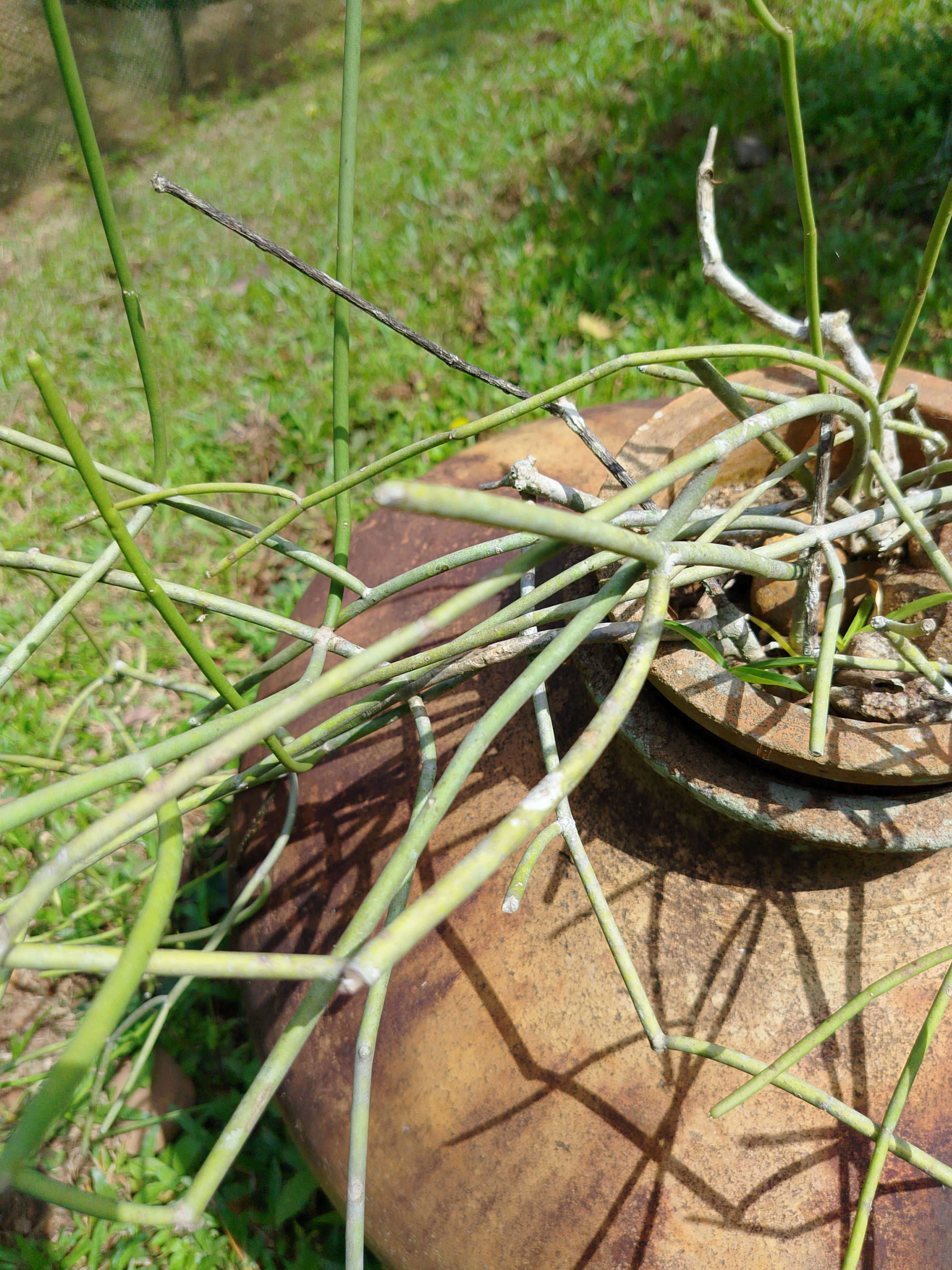
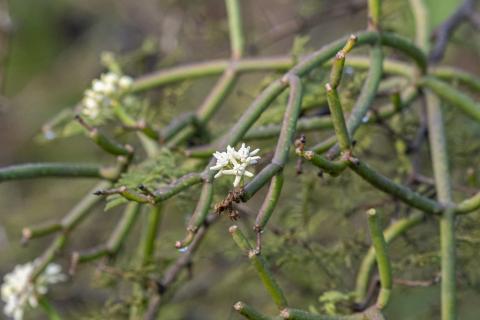
- Habit : Shrub
- Habitat : Dry rocky areas, scrub forests, wastelands, hedges, and open plains; commonly found in arid and semi-arid regions
- Leaves : Absent or reduced to minute scale-like structures at the nodes
- Flowers : Small, greenish-white to yellowish, in sessile terminal or lateral umbels
- Fruits : Paired follicles, slender and elongated, containing numerous seeds
- Seeds : Numerous, flattened, brown, each with a tuft of silky hairs aiding wind dispersal
Common cold,snakebites, digestive disorders, and respiratory infections
- Burning sensation : The stems and milky latex are employed under guided or ritual contexts to alleviate burning sensation, excessive thirst, fever, and heat-related conditions.
- In traditional systems, the plant is regarded as cooling and Rasayana-supportive in a restricted sense.
- Insect stings, snakebites : Fresh stems are crushed into a paste to treat insect stings, snakebites, and skin infections.
Propagation & Cultivation
A perennial, twining, leafless shrub that grows well in dry to semi-arid regions, scrublands, wastelands, and open plains. It prefers full sunlight to partial shade and can thrive in a variety of soils, including rocky, sandy, and moderately fertile soils. The plant tolerates periods of drought but does not thrive in waterlogged conditions. Propagation occurs mainly through seeds dispersed by wind via silky hairs, and it can also propagate from stem fragments in local practices. Once established, the plant is hardy and requires minimal care, though it is not widely cultivated for gardens or agriculture, being primarily valued for its medicinal and ritual uses.