Lesser kurinji
Campaigns Published















Campaigns Unpublished
No Content Unpublished
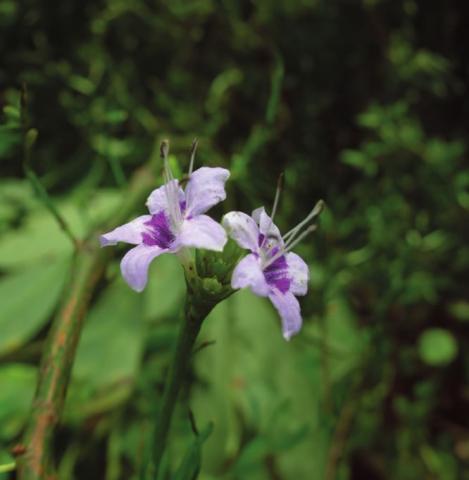
Scientific name
Strobilanthes ciliata Nees
English Name
Lesser Kurinji
Malayalam name
കരിംകുറിഞ്ഞി
Common name
Lesser Kurinji
Description
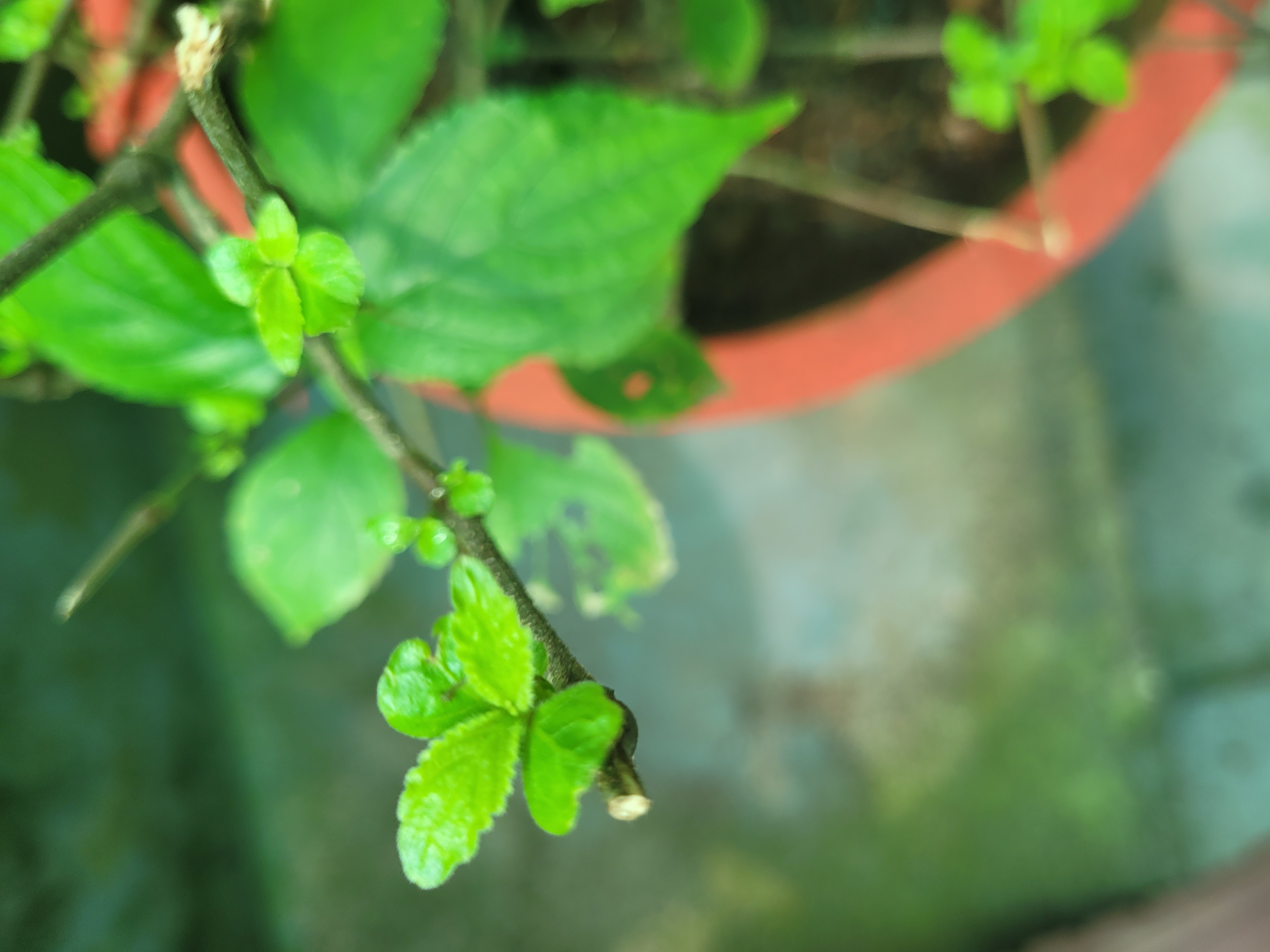
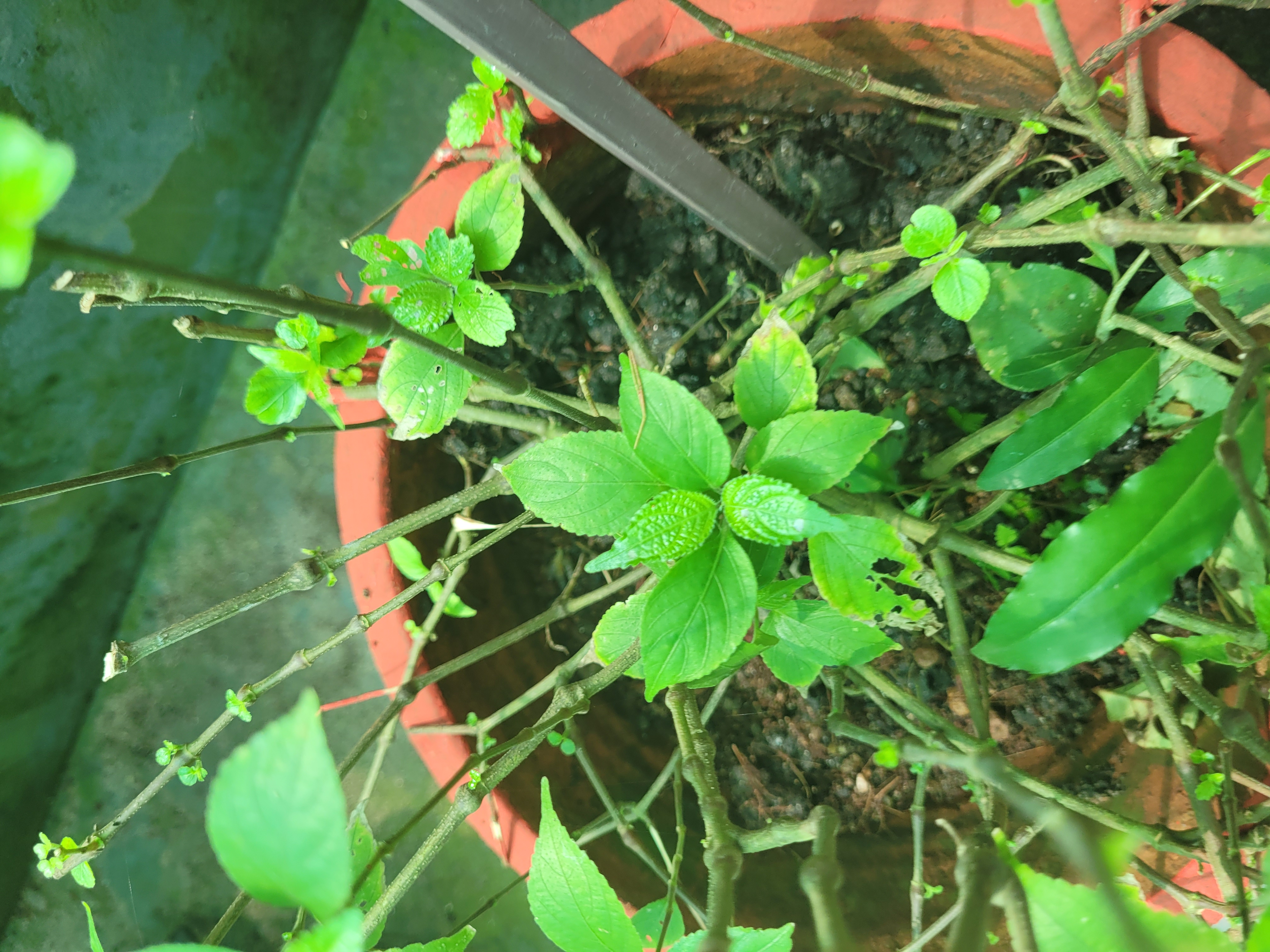
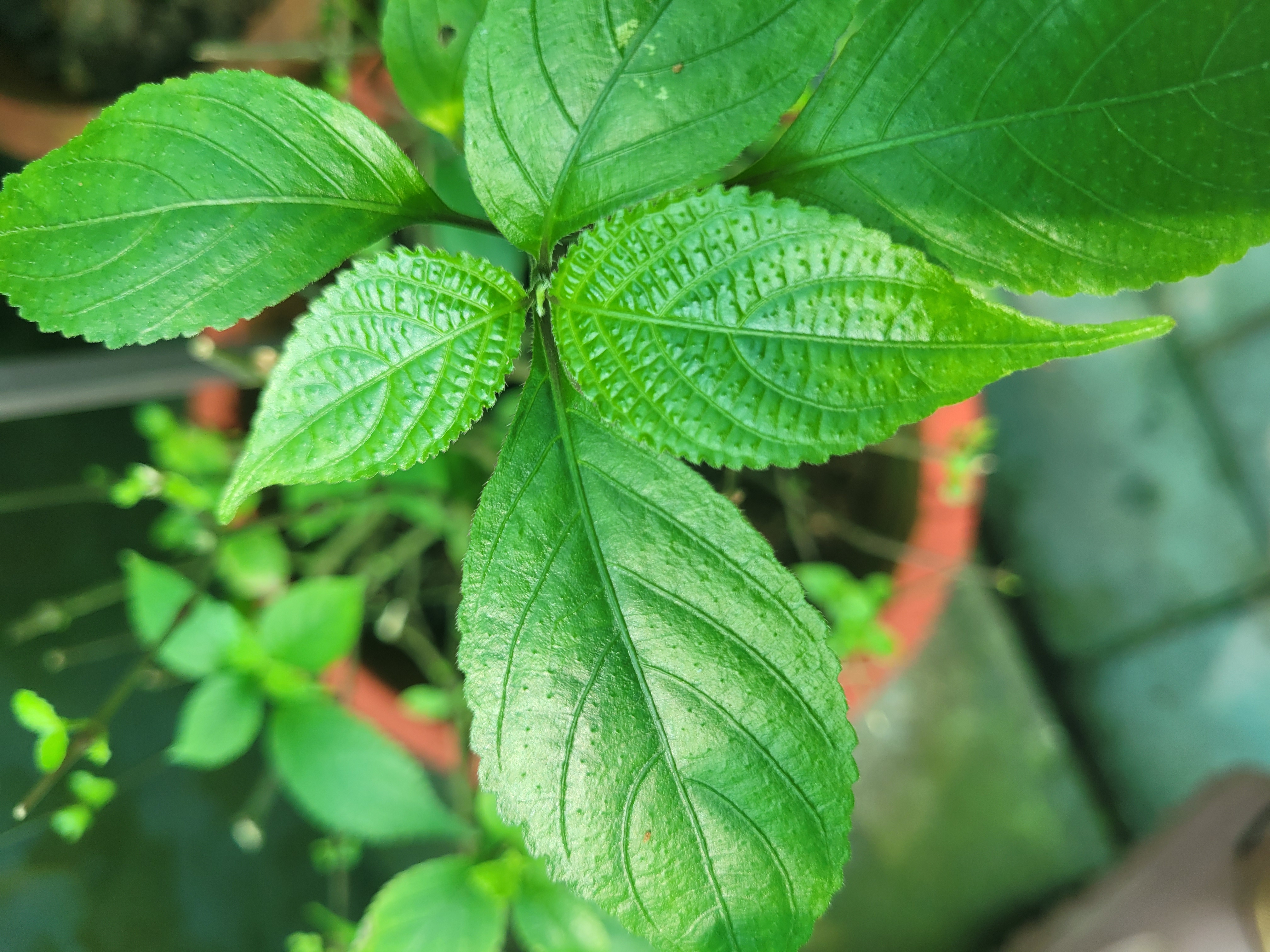
- Habit : Shrub
- Habitat : Evergreen and semi-evergreen forests
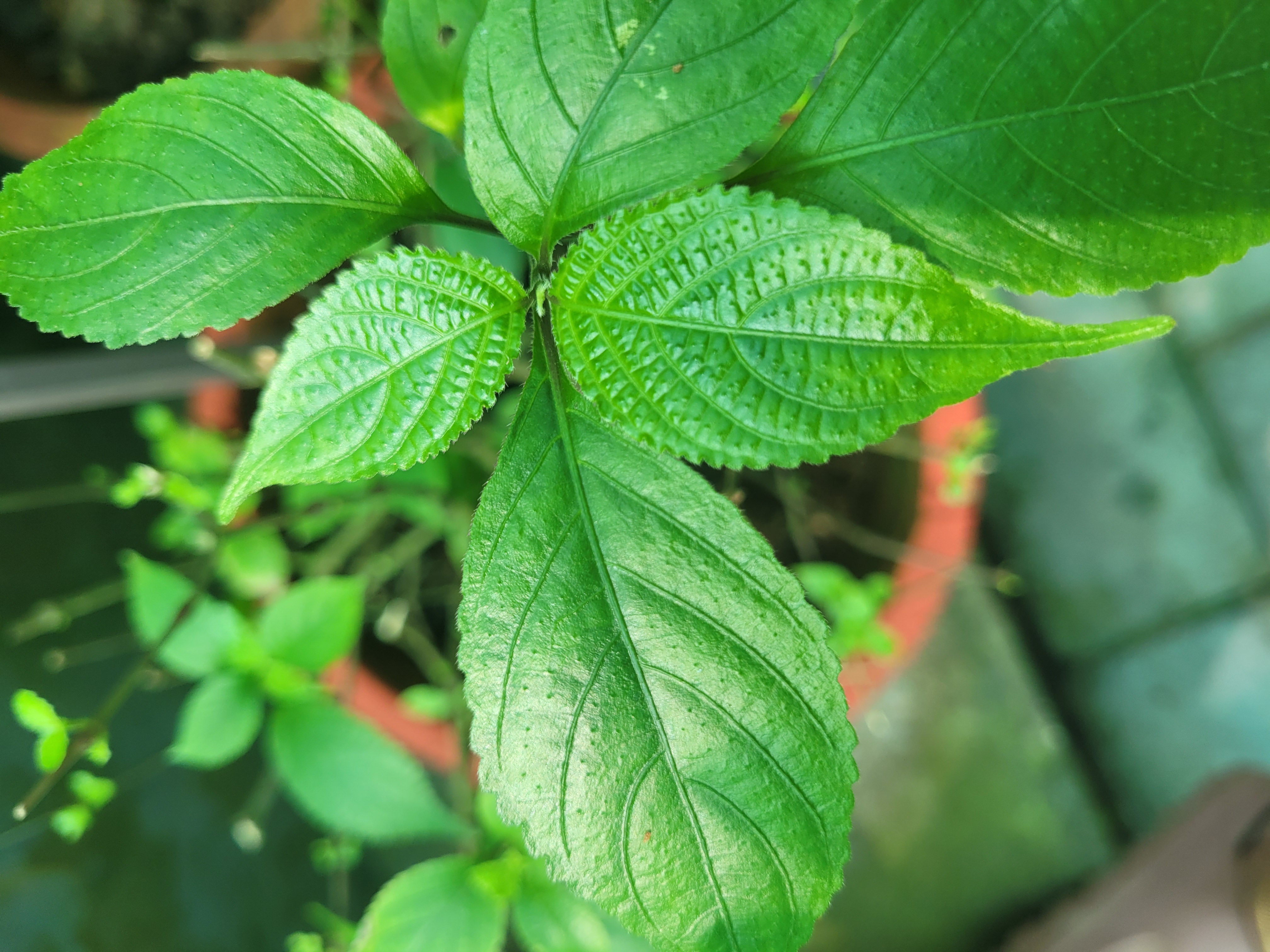
- Leaves : acuminate at both ends, glabrous
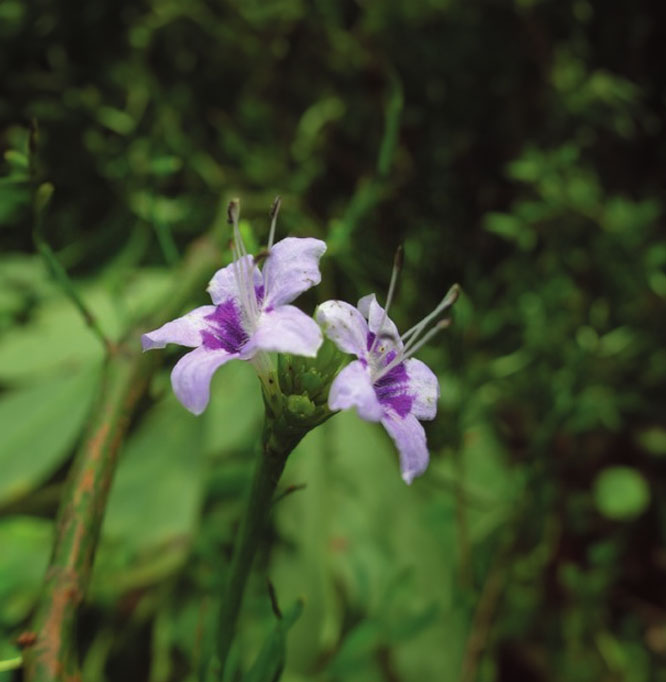
- Flowers : white
- Spikes : 1.5 cm long, axillary, solitary, peduncled
How to use
- The leaves and bark are used as expectorant, depurative and febrifuge and also useful in whooping cough, fever and bronchitis.
- For rheumatic arthritis, Karimkurinji leaves are baked, tied into bundles (Kizhi), and used to warm the affected area after oil application.
- It is effective for tooth pain when boiled and gargled.
Uses
Febrifuge, depurative, anti-inflammatory and expectorant.
Parts used
Roots and bark
Conservation
Propagation & Cultivation
It is propagated through stem cuttings due to poor seed setting. The best season of planting is May- June. The field is to be Ploughed to a fine tilth and mixed with 5-7 t/ha of FYM/compost/dried cow dung. Seed beds of convenient length, 1.5m width and 15cm height are to be made in which l0 cm long stem cuttings are to be planted at a spacing of 30m between plants. Rooting occurs within 20 days. Two weedings should be carried out at 2 months and 4 months after planting, followed by organic manure application. Irrigation is not must but during summer months it is beneficial. No serious pests or diseases are reported in this crop.