Elephant Creeper
Campaigns Published














Campaigns Unpublished
No Content Unpublished
Scientific name
Argyreia nervosa (Burm. f.) Bojer
English Name
Hawaiian baby woodrose
Malayalam name
സാമുദ്രപ്പച്ച
Common name
Elephant Creeper
Description
- Habit : Climber
- Habitat : Road sides, hedges, forest margins, scrub jungles, and cultivated as a medicinal climber in tropical regions
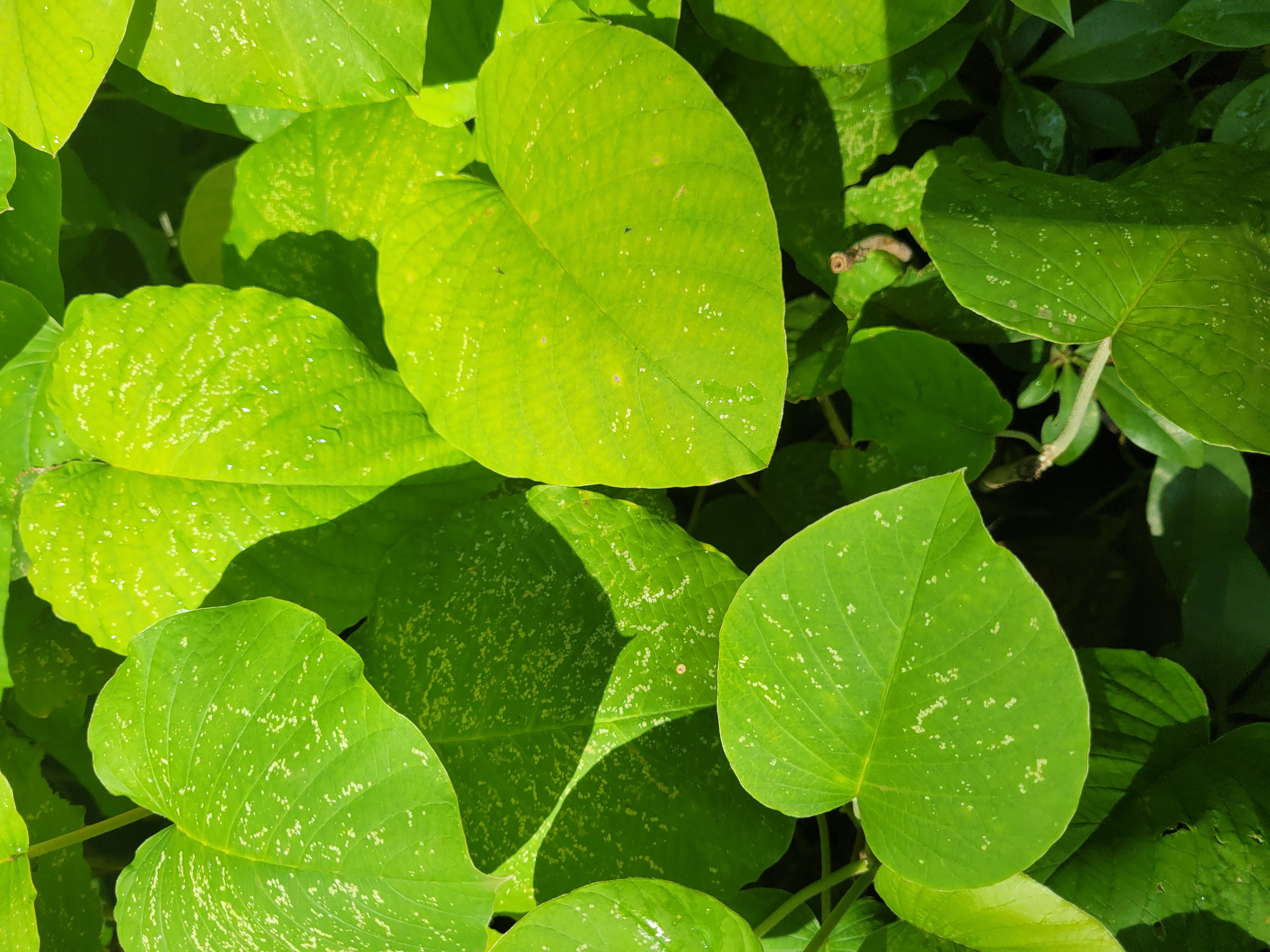
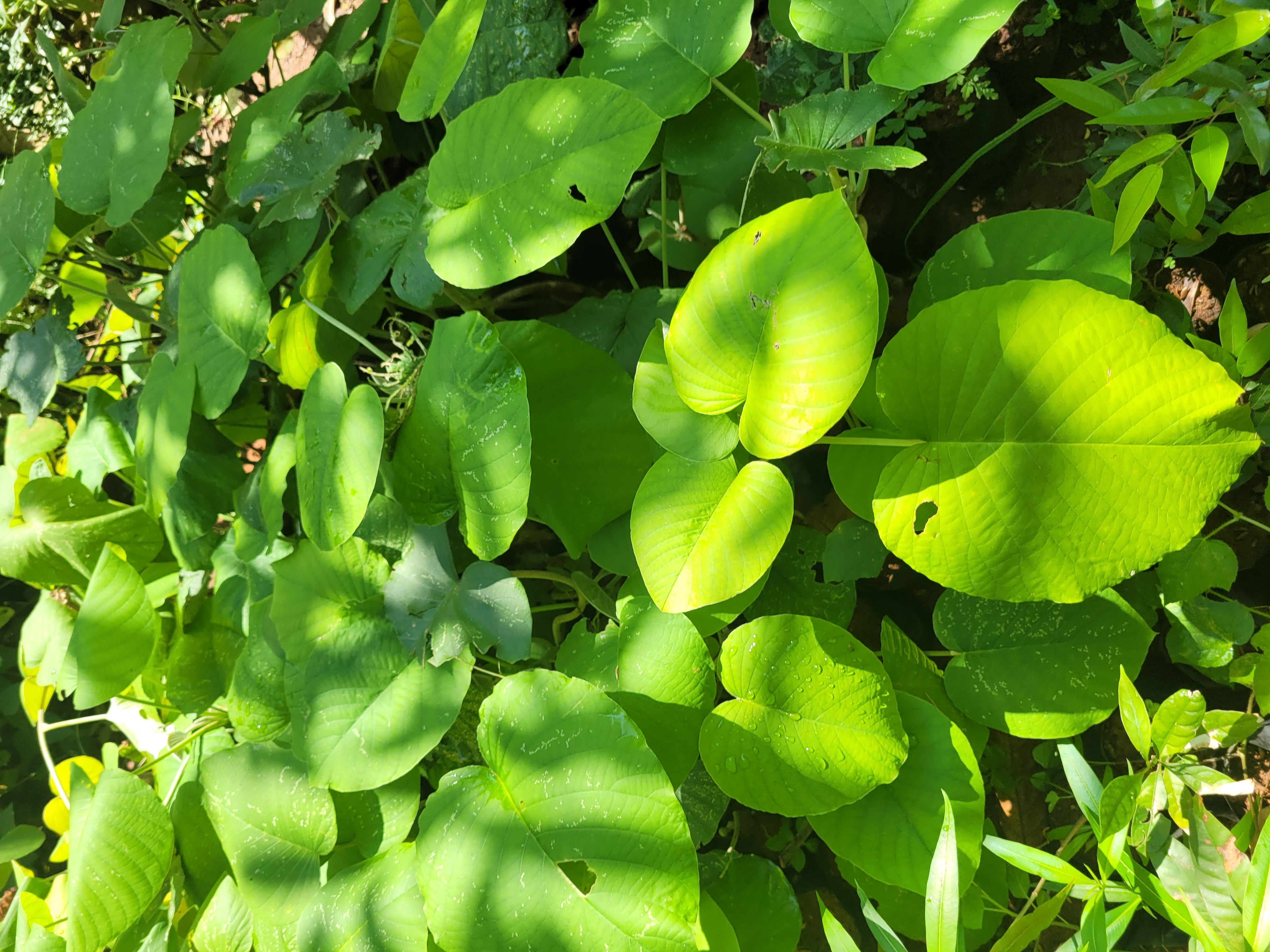
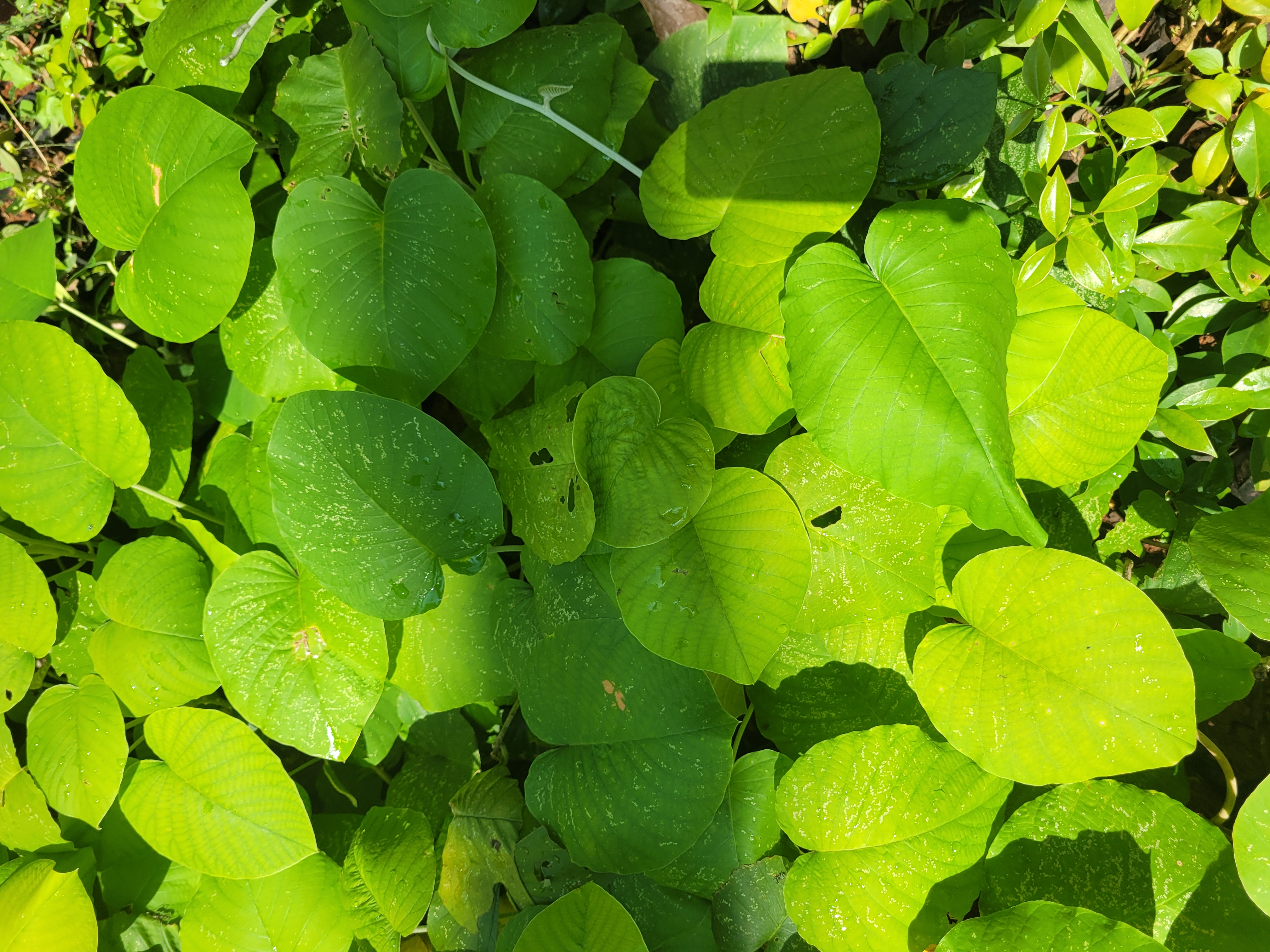
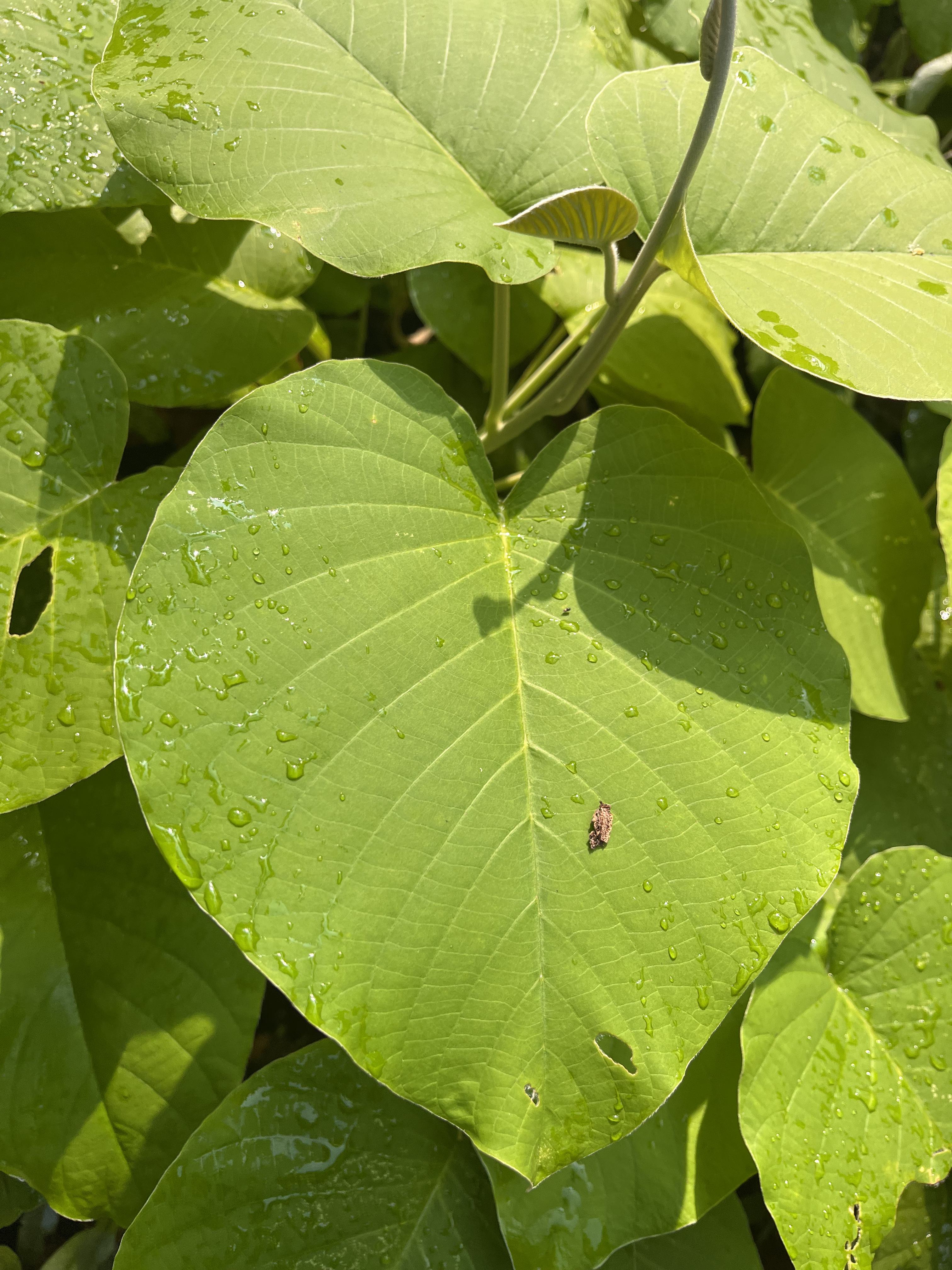
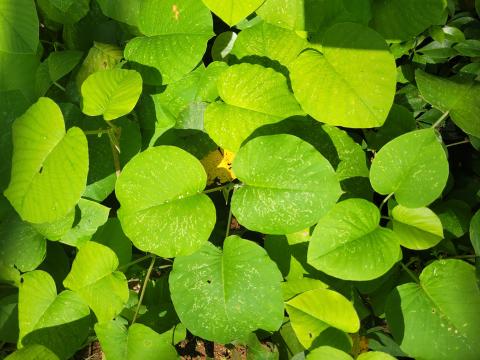
- Leaves : Large, simple, heart-shaped (cordate), soft and velvety on the underside, green, long-petioled
- Flowers : Large, showy, funnel-shaped, pink to purplish-violet, borne in axillary cymes, resembling morning-glory flowers
- Roots : Thick, tuberous, medicinally important
- Stem : Long, twining, woody, covered with fine hairs
Uses
Inflammation, wounds, joint pain,nervous weakness, fatigue
Parts used
Whole plant
How to use
- Chronic weakness and fatigue : The roots are used as a Rasayana tonic to improve strength, stamina, and nervous health, and are prescribed in conditions of chronic weakness and fatigue.
- Skin disorders : The leaves are mainly employed for external applications, prepared as pastes or decoctions to treat wounds, inflammation, joint pain, and various skin disorders.
- The whole plant is included in traditional formulations for managing Vata disorders, nervous debility, and general exhaustion, rather than being used as a regular food plant.
Conservation
Propagation & Cultivation
A moderately fast-growing perennial medicinal climber cultivated in tropical and subtropical regions. It prefers warm climates and full sunlight to partial shade. The plant grows well in well-drained loamy or sandy soils with moderate moisture and does not tolerate waterlogging. Propagation is commonly done through seeds, while stem cuttings can also be used for quicker establishment. Once established, the climber is hardy, requires minimal maintenance, and spreads by twining over supports or nearby vegetation under favorable conditions.