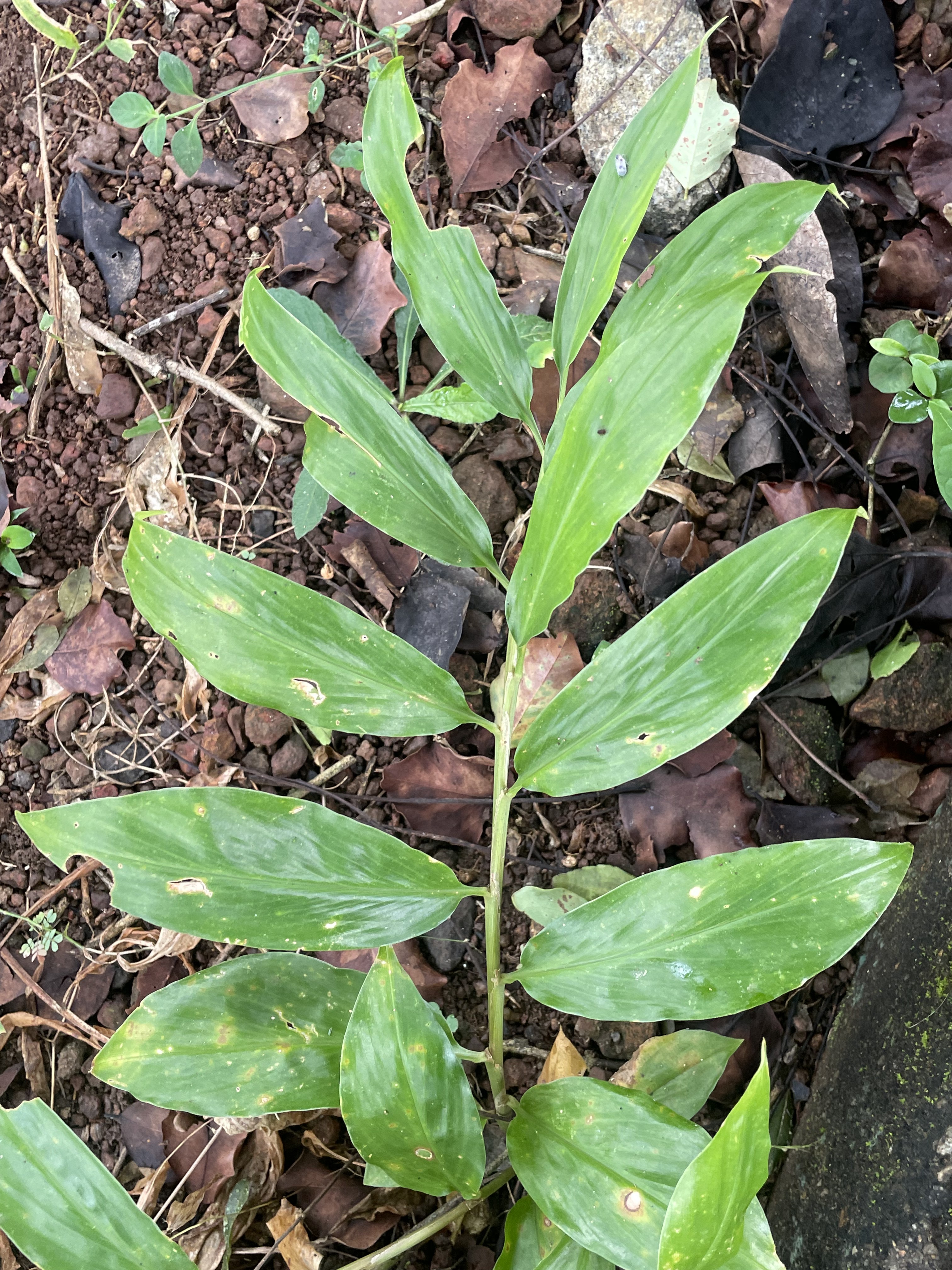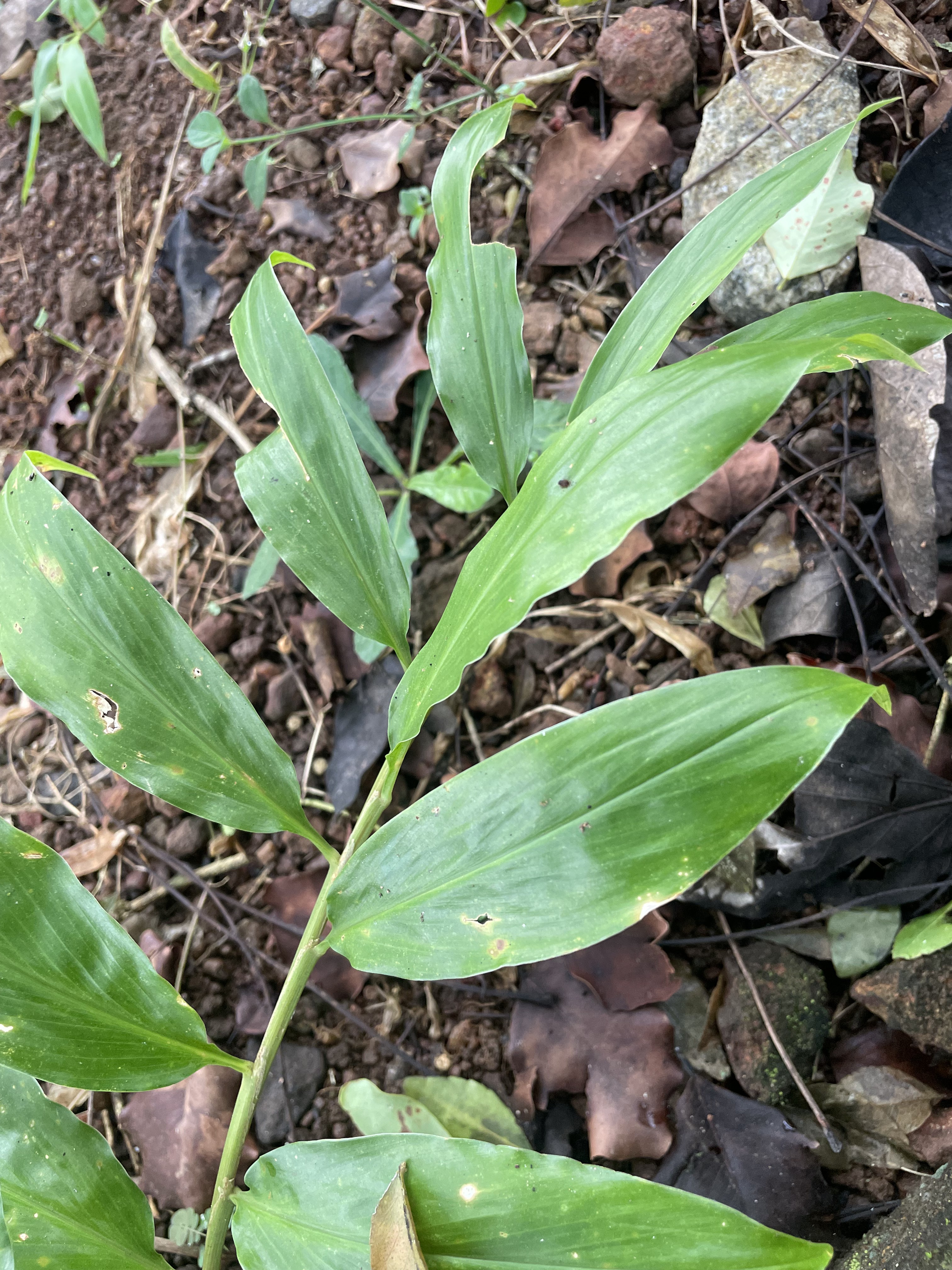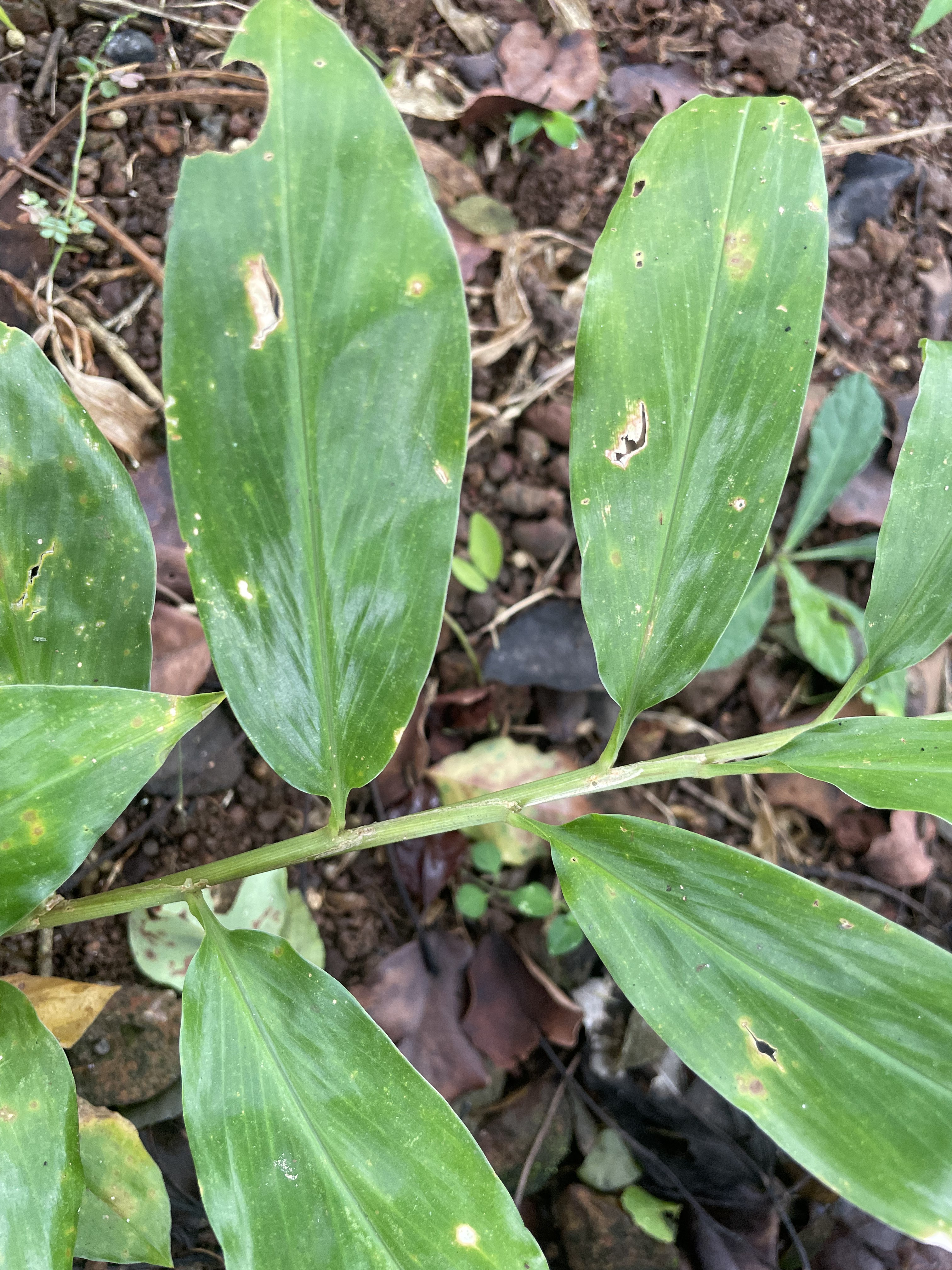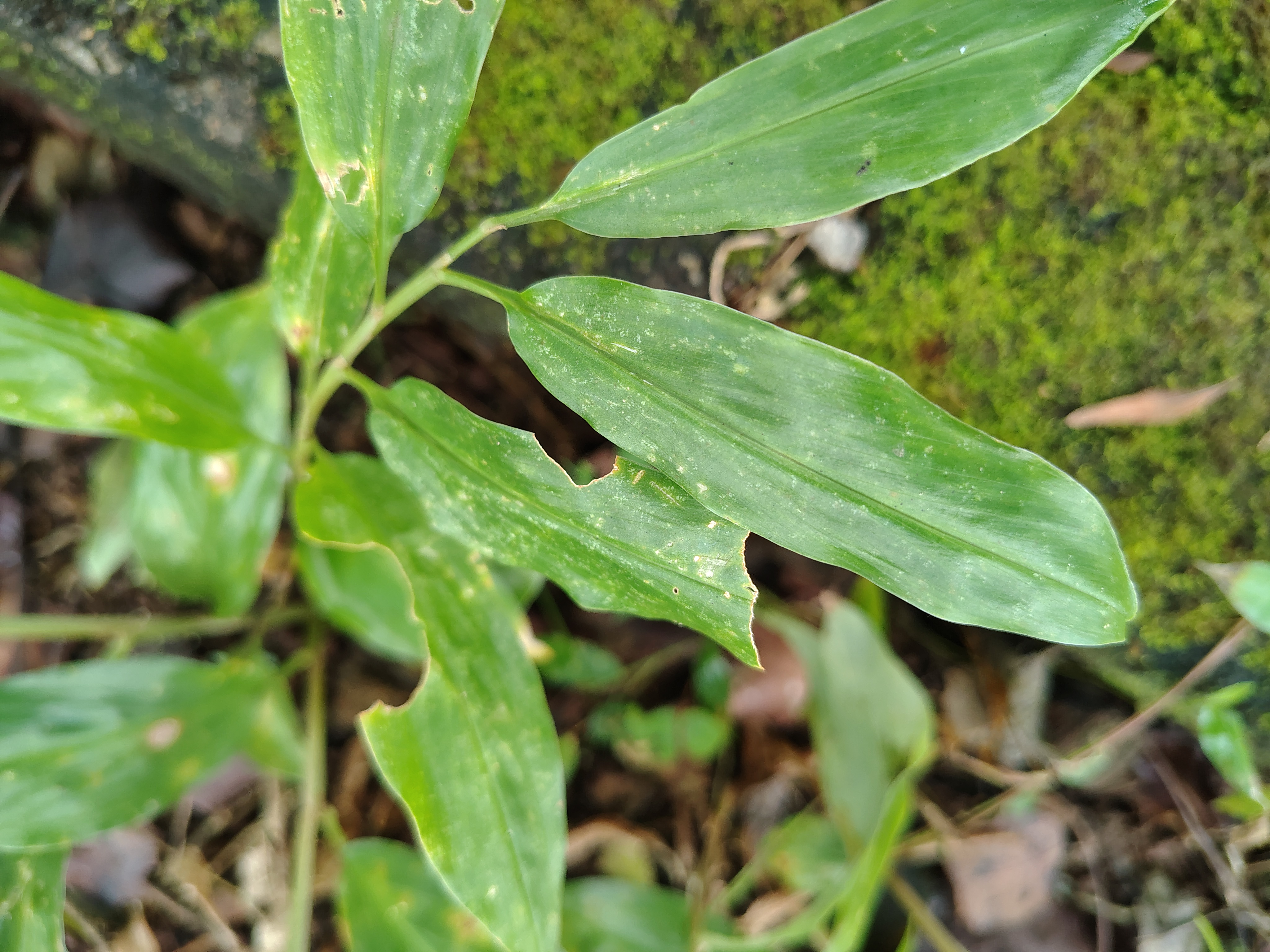
Dancing girl ginger
Campaigns Published








Campaigns Unpublished
No Content Unpublished
Scientific name
Globba schomburgkii Hook.f.
English Name
Dancing Girl Ginger
Malayalam name
ഡാൻസിങ് ഗേൾ ജിഞ്ചർ
Common name
Dancing Girl Ginger
Description
- Habit : Herb
- Habitat : Native to Southeast Asia, typically found in moist, shaded tropical forests and cultivated in gardens.
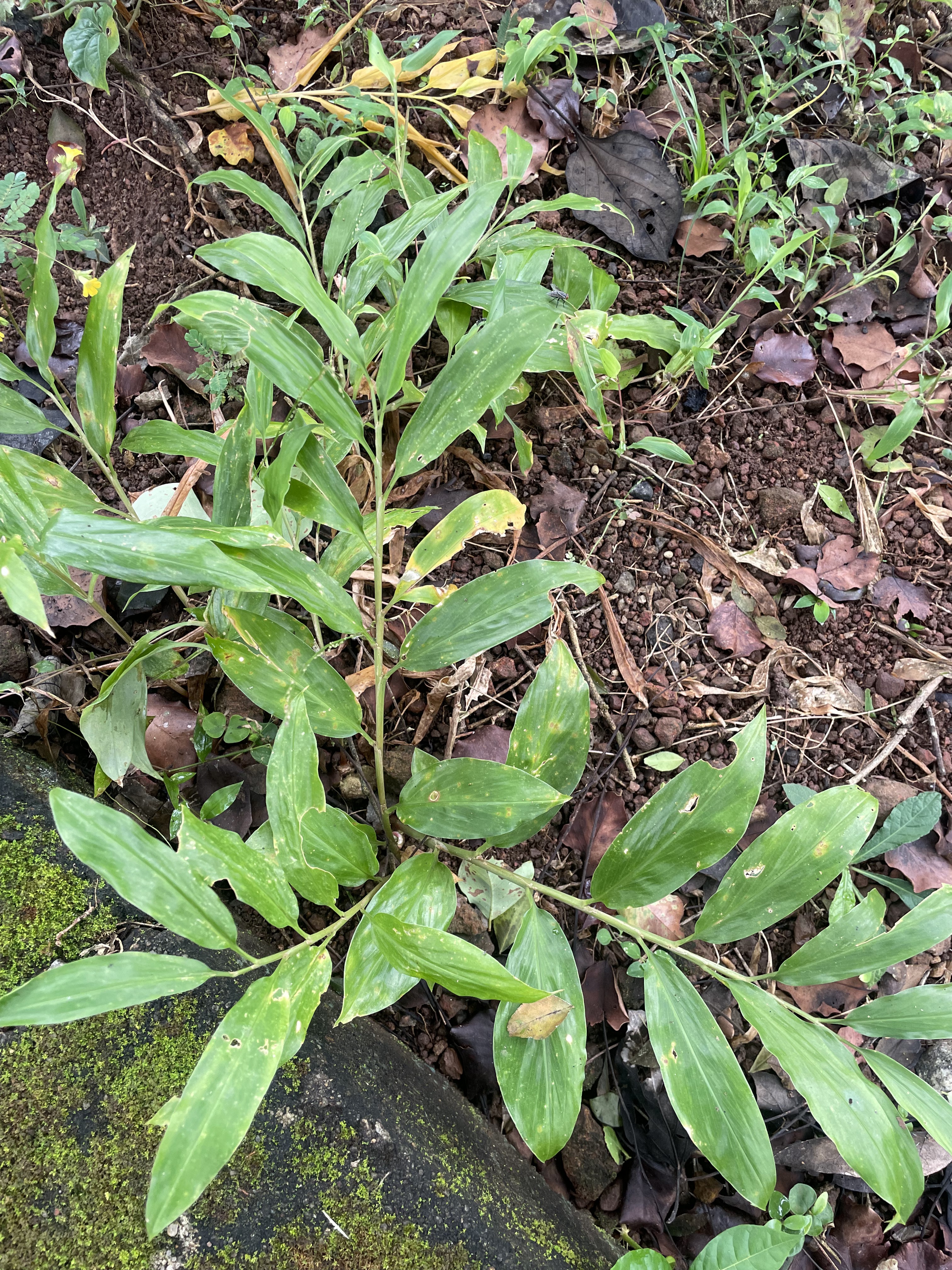
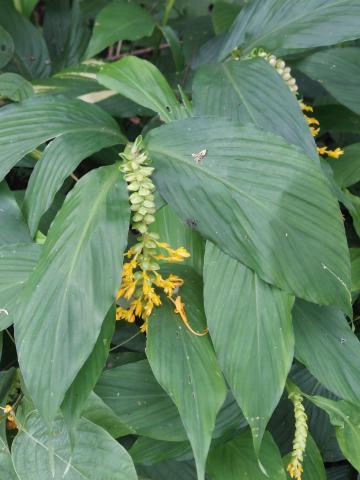
- Leaves : Lanceolate to elliptic, bright green, and hairless.
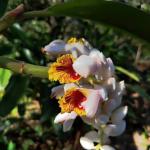
- Flowers : Bright yellow, intricate, and uniquely shaped resembling tiny dancing figures with purple or reddish bracts.
- Stem : Slender pseudo-stems arising from small, shallow underground rhizomes.
Uses
Inflammation, joint pain, coughs, asthma
Parts used
Rhizomes, leaves, bulbils
How to use
- Joint pain : A paste made from the crushed rhizomes is applied topically to relieve joint pain, swelling, and localized inflammation.
- Coughs and Asthma: A decoction of the rhizomes or leaves is traditionally consumed in small quantities to treat respiratory issues like coughs and asthma.
- Skin irritations : Bulbils (small bulb-like structures on the stem) are sometimes used in local medicinal poultices for minor skin irritations.
Conservation
Propagation & Cultivation
Propagated very easily by dividing the underground rhizomes in early spring, or by planting the aerial bulbils that naturally form along the stems in late summer. It thrives in well-drained, organically rich soil (like a peat-based mix) and requires high humidity. It prefers partial to full shade, as direct hot sun can scorch the leaves. Needs consistent watering during its active growing season but should be kept relatively dry during its winter dormancy period to prevent rhizome rot.