Wild Jasmine
Campaigns Published















Campaigns Unpublished
No Content Unpublished
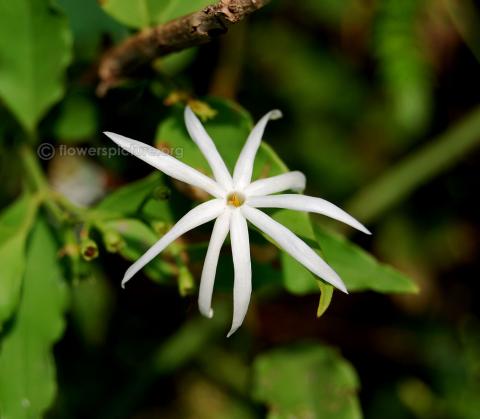
Scientific name
Jasminum angustifolium
English Name
Wild Jasmine
Malayalam name
കാട്ടുപ്പിച്ചി
Common name
Wild Jasmine
Description
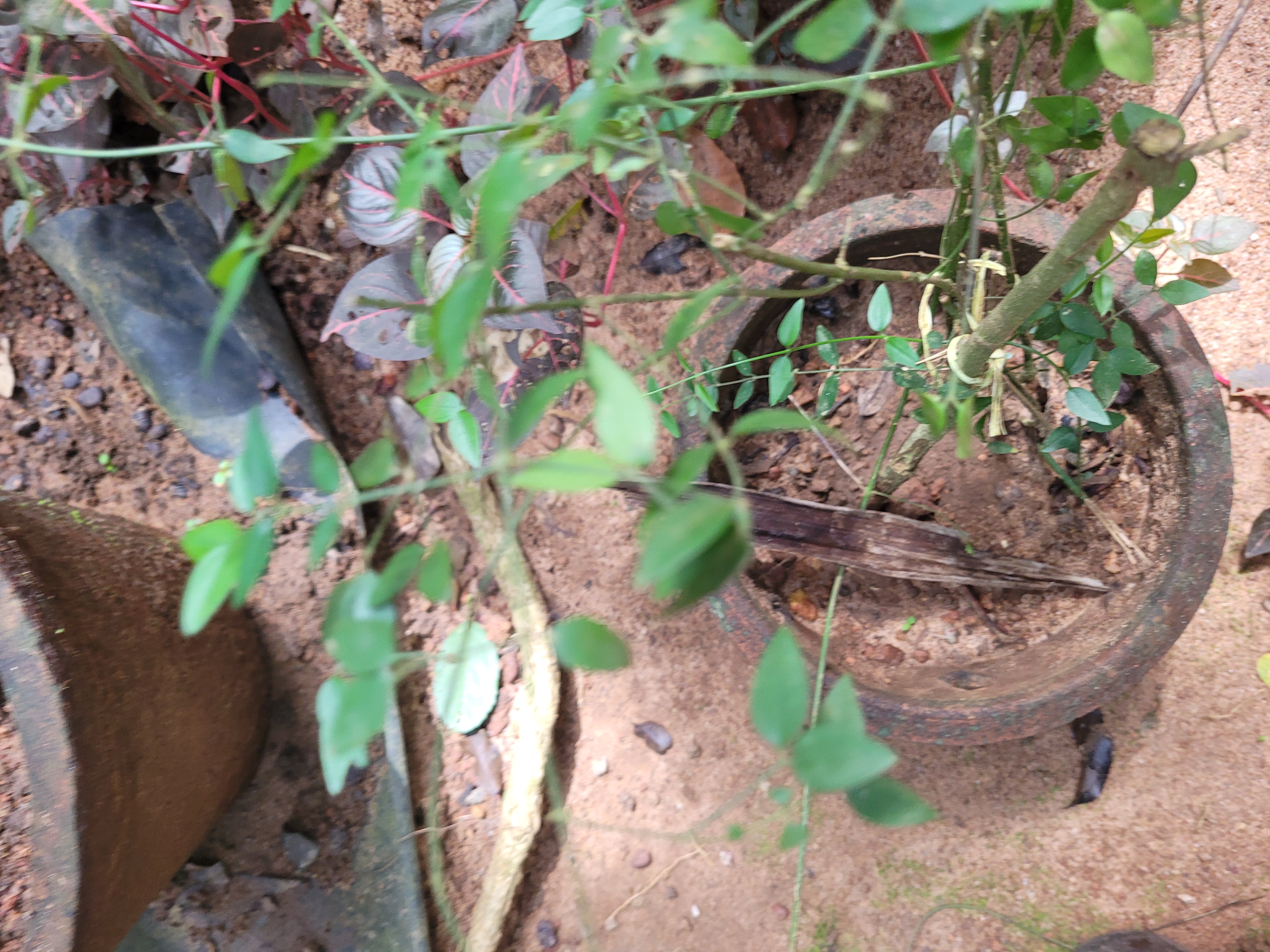
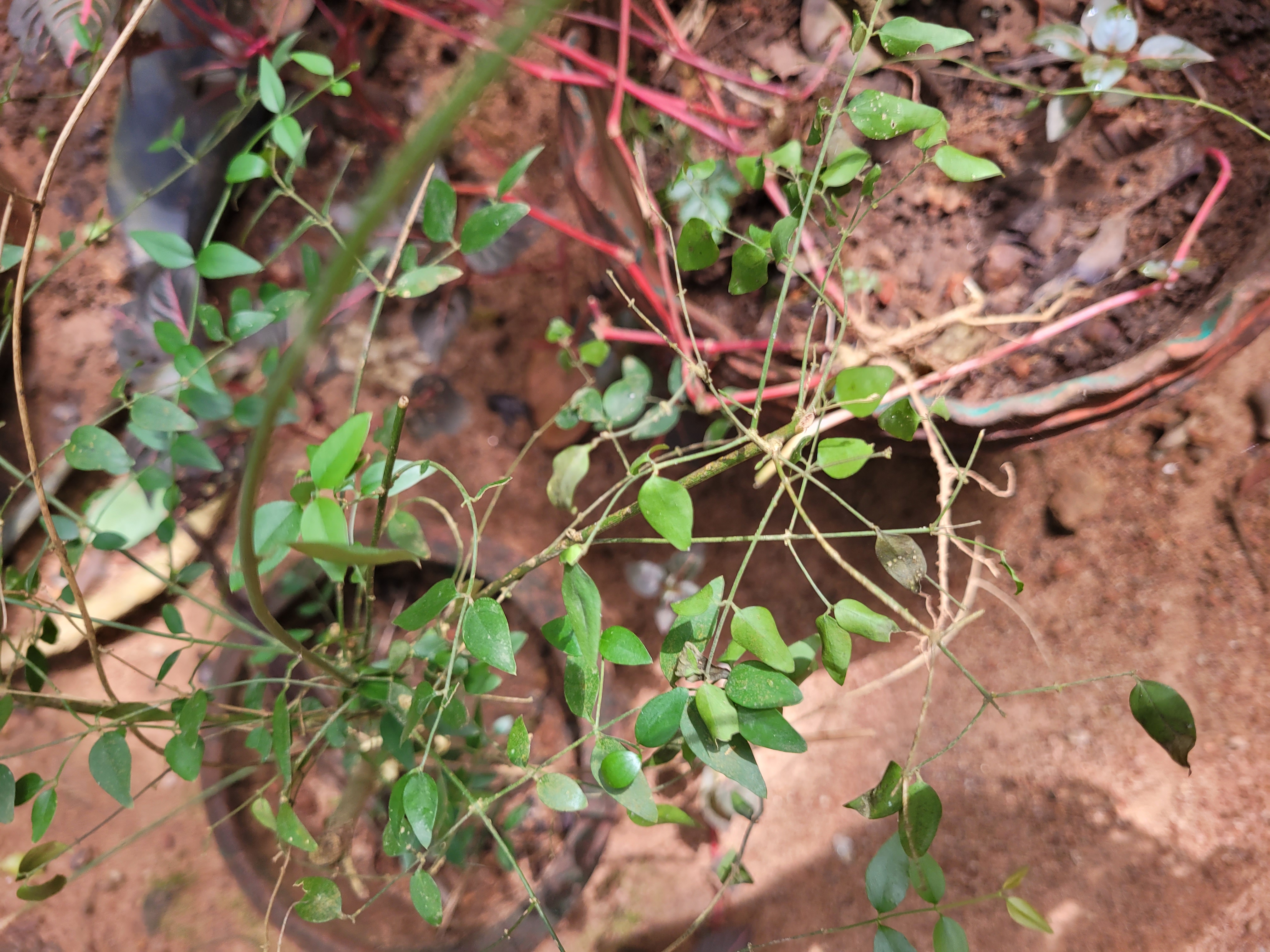
- Habit : Shrub
- Habitat : Grows in tropical and subtropical regions, commonly found in forests
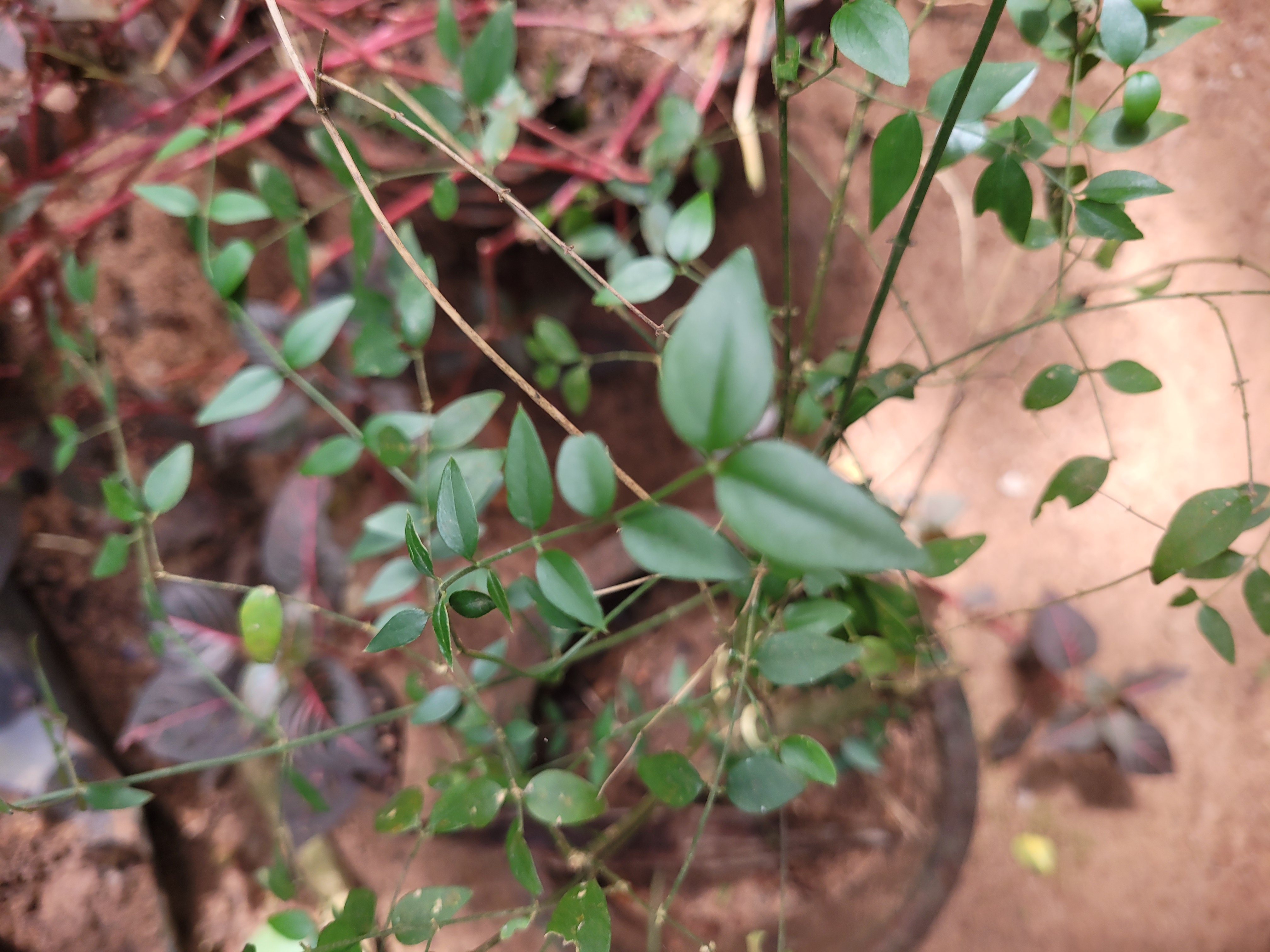
- Leaves : oppositely arranged, simple leaves are very variable even on the same plant
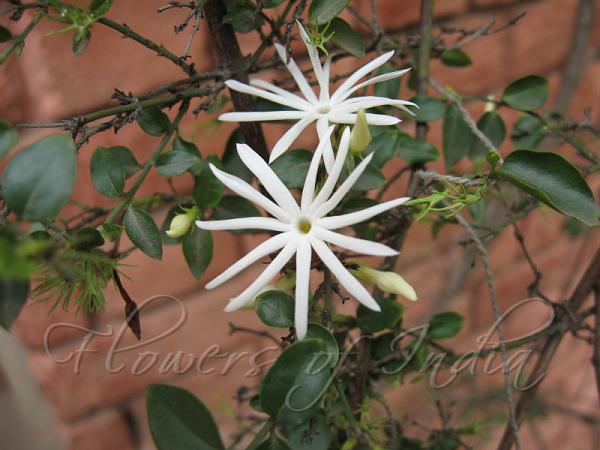
- Flowers : fragrant and start like structure
- Stem : is smooth but branchlets minutely pubescent.
Uses
Skin diseases, wounds, ulcers, inflammation, fever, rheumatism
Parts used
Leaves, roots, flowers, and stem
How to use
- Wound and skin infections : Leaves are crushed into a paste for wounds and skin infections;
- Fever,Digestive aliments : root and leaf decoctions are taken traditionally for fever, rheumatism, and digestive ailments
- Flowers are used in herbal preparations and for aromatic purposes.
Conservation
Propagation & Cultivation
It is commonly propagated through semi-hardwood stem cuttings. Healthy cuttings (10–15 cm long) are planted in a well-drained medium such as sand or cocopeat and kept moist under partial shade. Roots develop within 4–8 weeks, after which the rooted cuttings are transplanted to pots or the field.
.jpg)