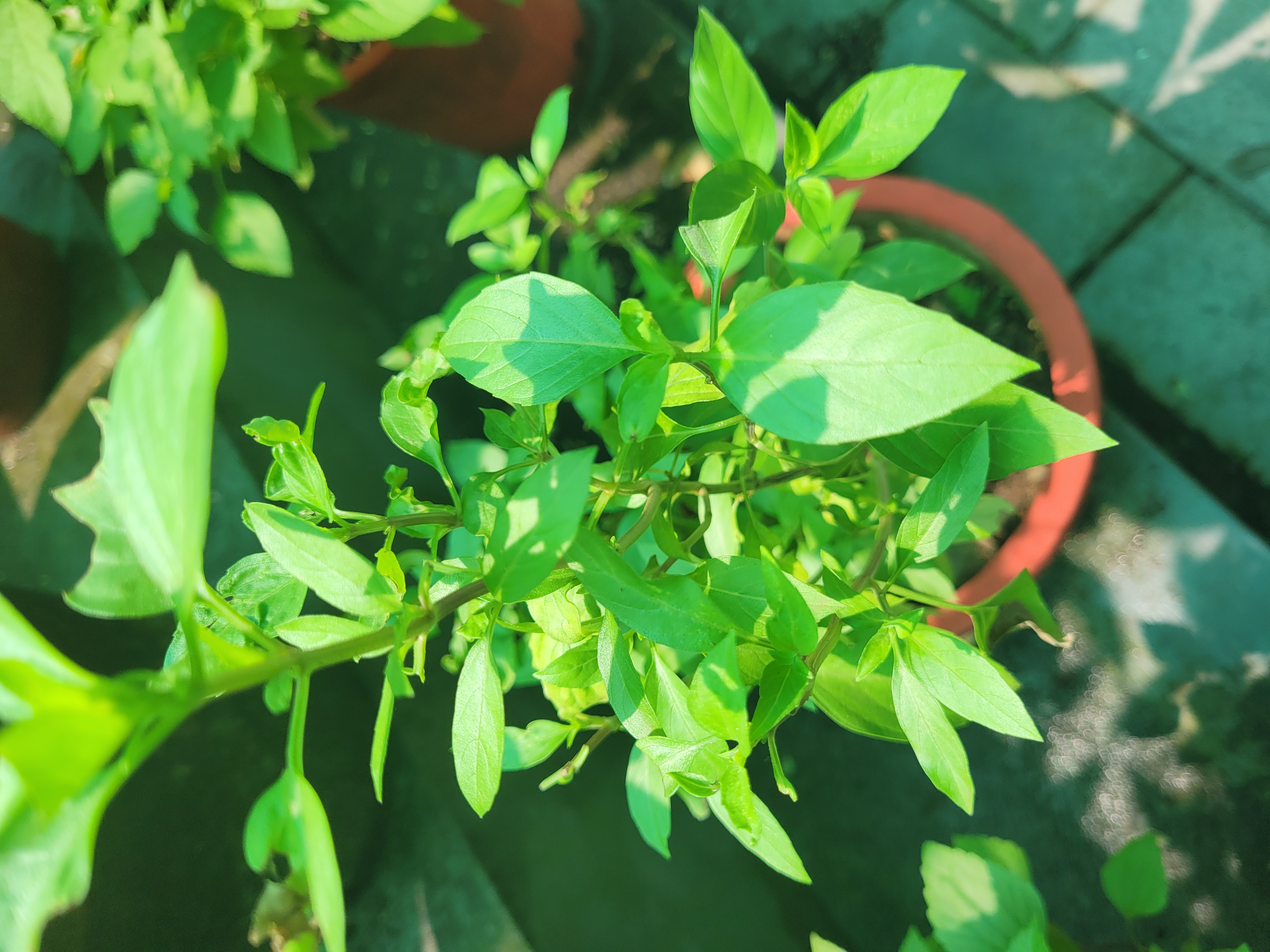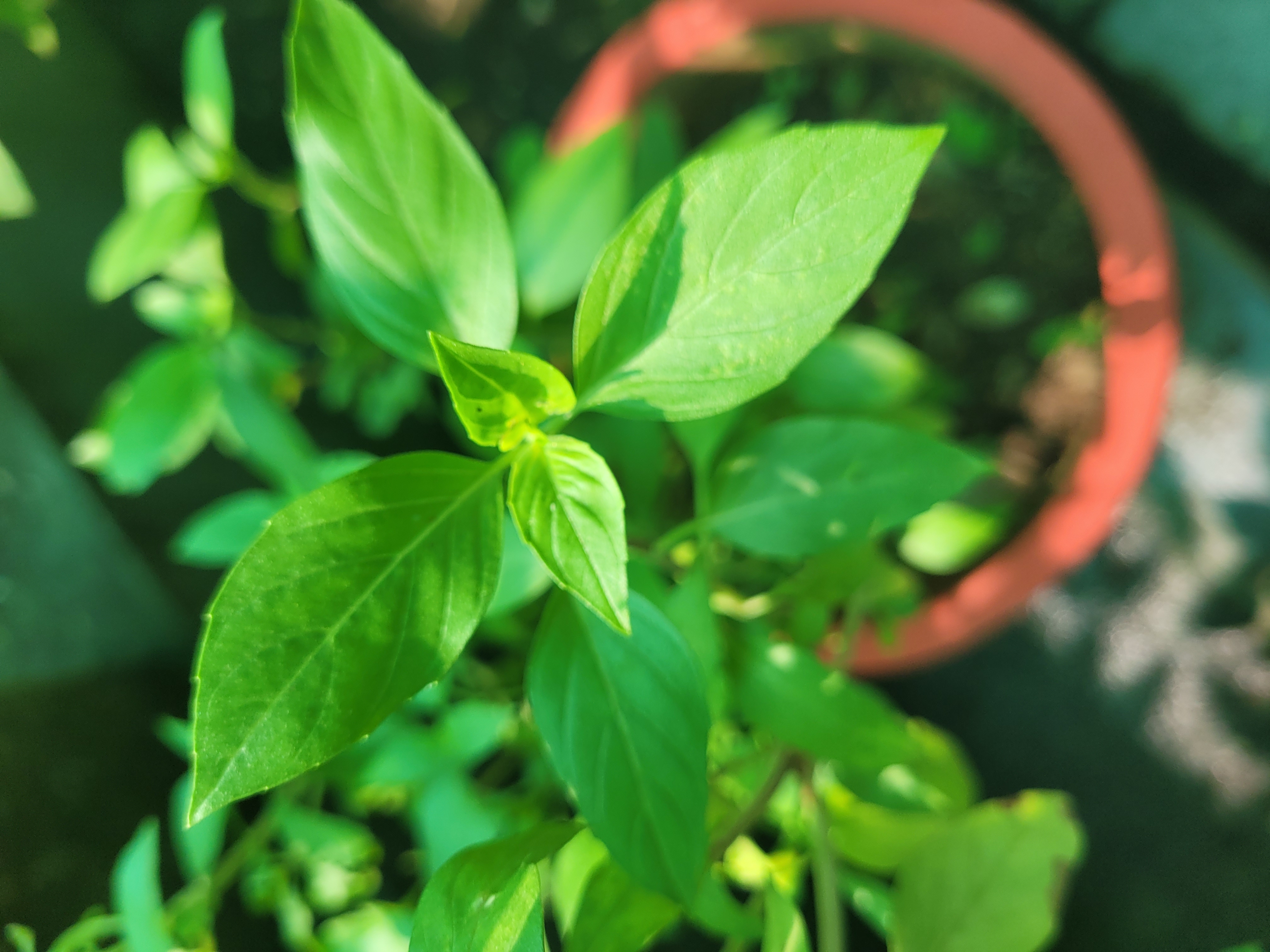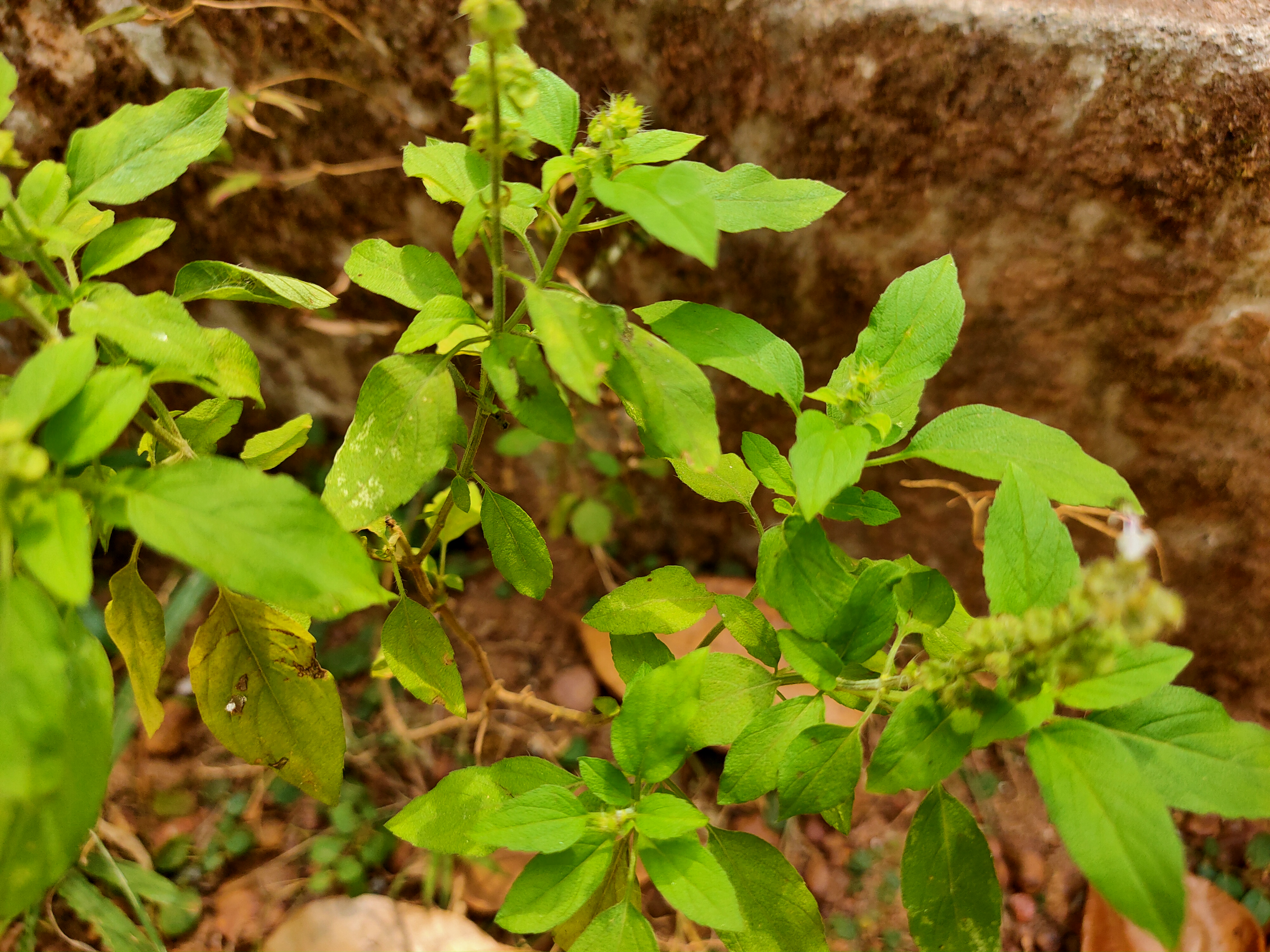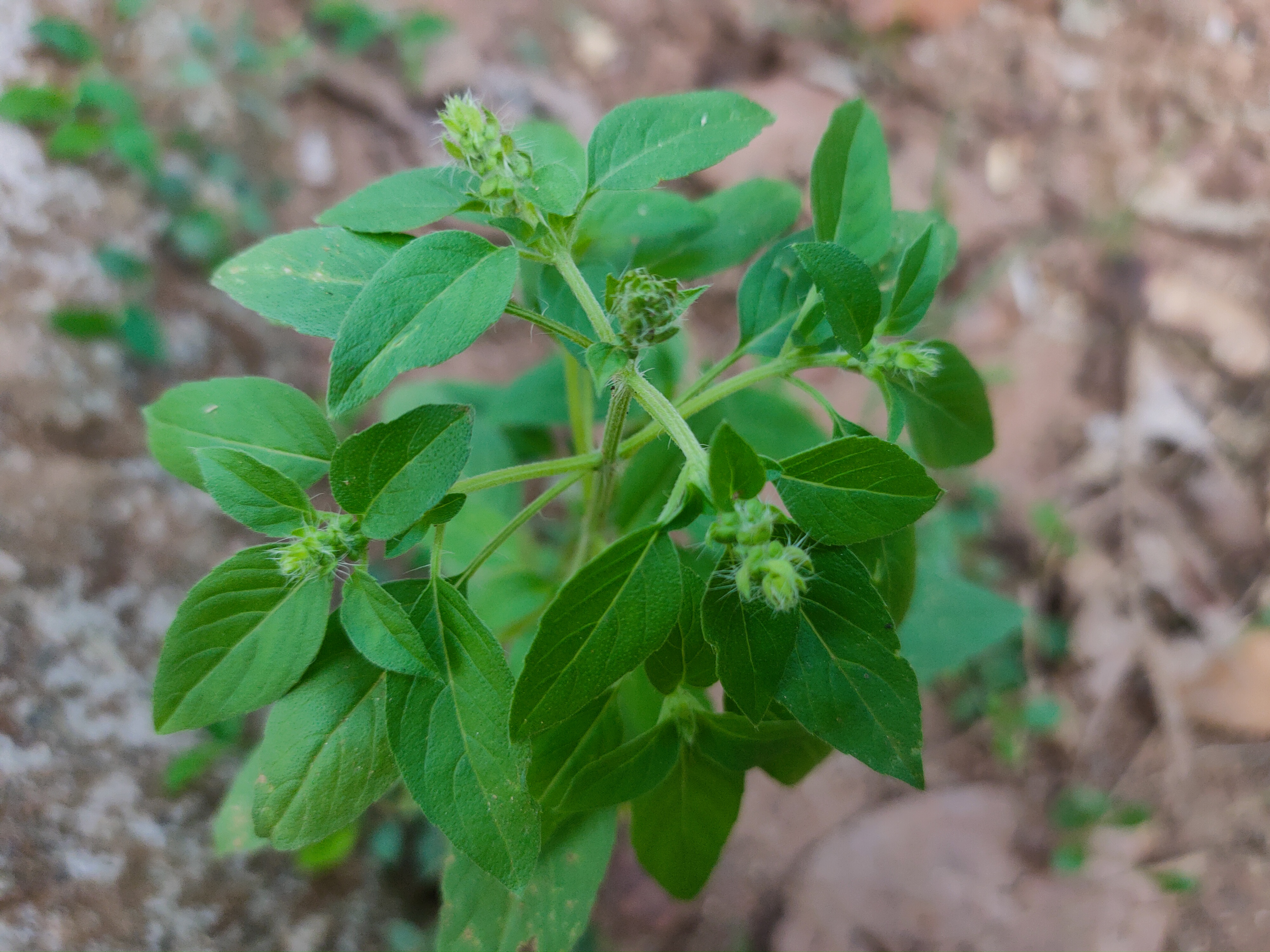
Shrubby basil
Campaigns Published













Campaigns Unpublished
Description
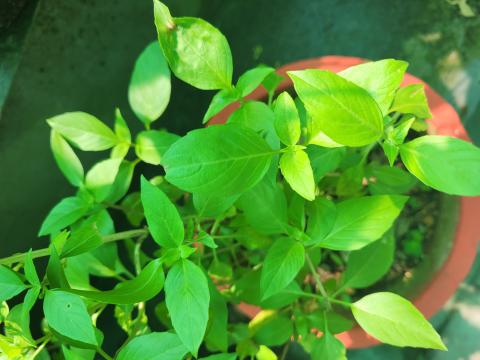
- Habit : Shrub
- Habitat : Moist deciduous forests, also in the plains
- Leaves : elliptic to obovate,simple, opposite
- Flowers : greenish white to greenish yellow,borne in simple or branched racemes
- Fruit : The fruit consists of 4 small sub-globular dry nutlets
Digestive, stimulant, inflammations,piles, swelling, abscesses, cough, arthritis
- Colds and Influenza : The leaves and stems are used internally in the treatment of a range of conditions including colds and influenza, especially chest colds; fevers, sunstroke, headaches, impotence, flatulence, diarrhoea, dysentery, post-partum problems, and worms in children
- Rheumatism Applied externally, the leaves are used to treat rheumatism and lumbago
- An essential oil obtained from the leaf has shown marked antibacterial activity
Propagation & Cultivation
Seed - germination rates can be less than 10% . Sow in a nursery seedbed and only just cover the seed. Germination is usually free and quick, prick out the seedlings into individual pots when they are large enough to handle and plant out when large enough.Cuttings take about 28 days to root. Prefers a rich, light, well-drained to dry soil and a position in full sun.All parts of the plant are strongly scented.The optimum harvesting time for distillation of the essential oil is when 3 branches per plant, or 75% of the branches, are flowering. In northern Vietnam 2 - 3 cuts can be obtained in an average year, 4 - 5 cuts per year in the south. In Vietnam, Ocimum gratissimum remains productive for 5 - 10 years