Pipe Vine
Campaigns Published















Campaigns Unpublished
Description
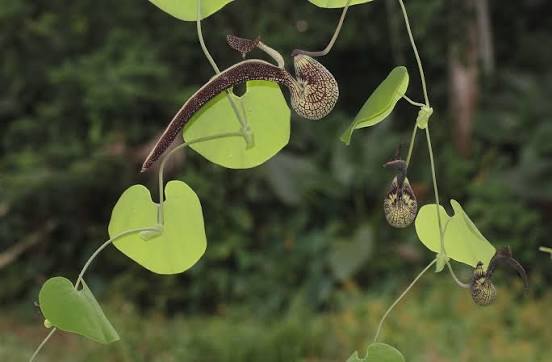
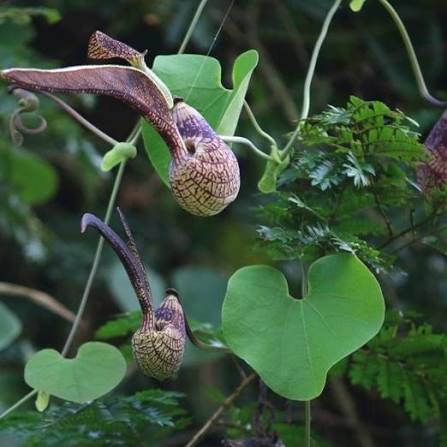
- Habit : Climbing vine
- Habitat : it thrives in lowland tropical rainforests, forest margins, riverbanks, and disturbed thickets.
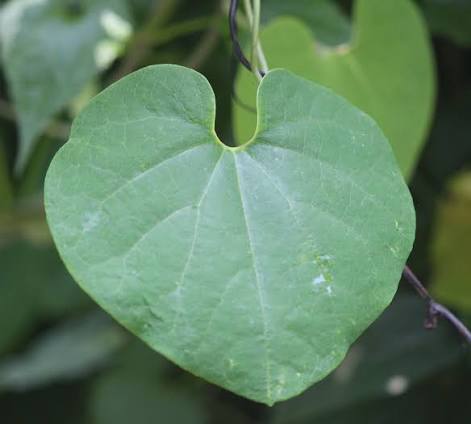
- Leaves : dense, attractive, heart-shaped or kidney-shaped leaves that are bright green on top and pale underneath
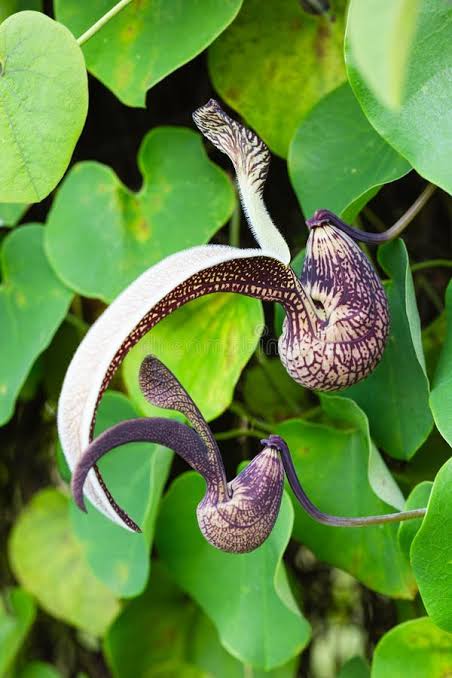
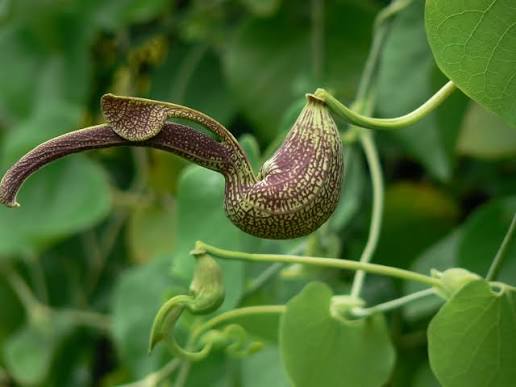
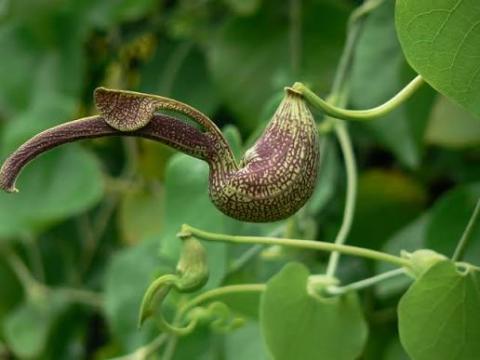
- Flowers : pale greenish-yellow exterior heavily patterned with a rippling network of dark burgundy, red, or purple
- Fruits : 6-ribbed capsule fruits that resemble hanging baskets
Snakebite and Insect Venom,Antimicrobial
- Snakebite and Insect Venom : It was either applied topically as a paste or consumed as an infusion
- Antimicrobial & Topical Use : The leaves and stems (aerial parts) were crushed to treat skin ulcers, eczema, and fungal skin infections due to their inherent antibacterial properties
Propagation & Cultivation
To propagate Aristolochia ringens, dip four-to-six-inch semi-hardwood cuttings into rooting hormone and keep them in a moist peat and perlite mix under warm, indirect light until roots establish. Once rooted, plant the vine in a location that receives full morning sun and light afternoon shade, utilizing rich, fertile, well-draining loamy soil to prevent waterlogging. Provide a sturdy trellis or fence immediately at planting to accommodate its rapid twining habit, and water deeply throughout the active spring and summer months. Finally, apply a balanced fertilizer every four to six weeks, prune the stems heavily in late winter to stimulate fresh flowering wood, and move container plants indoors if temperatures drop below 10°C.