Pandan Leaf
Campaigns Published












Campaigns Unpublished
Description
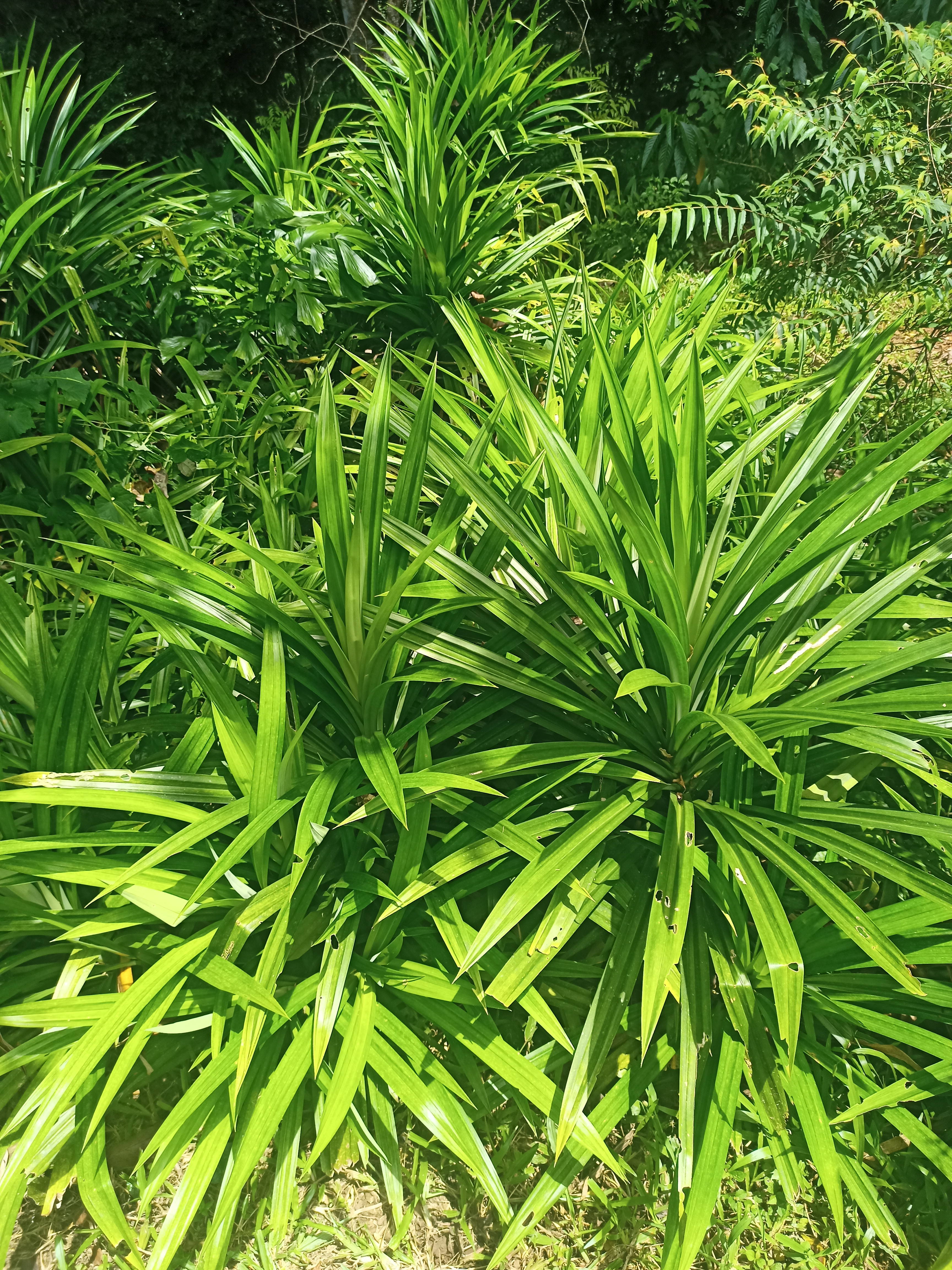
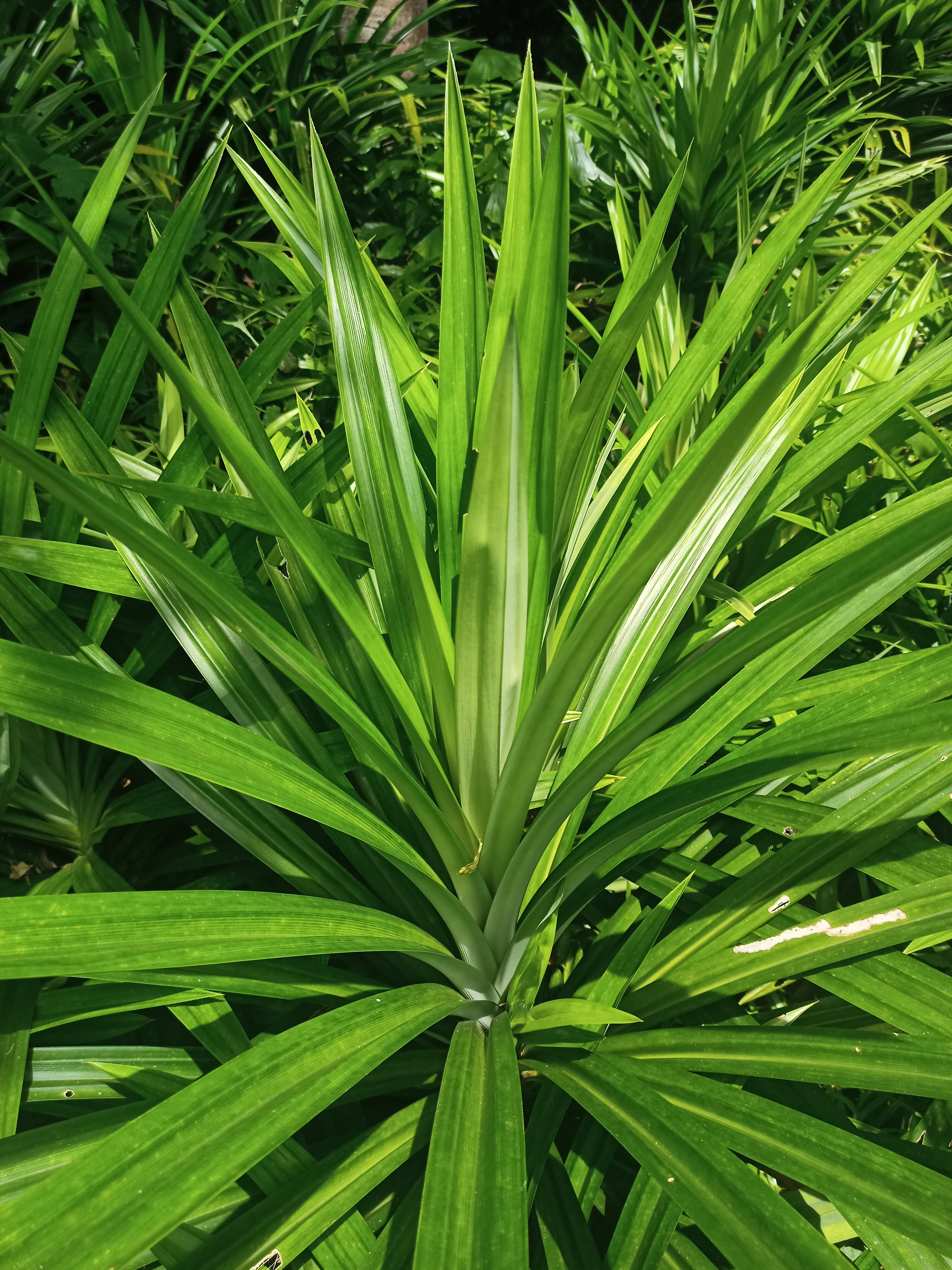
- Habit : Shrub
- Habitat : Truly wild location.
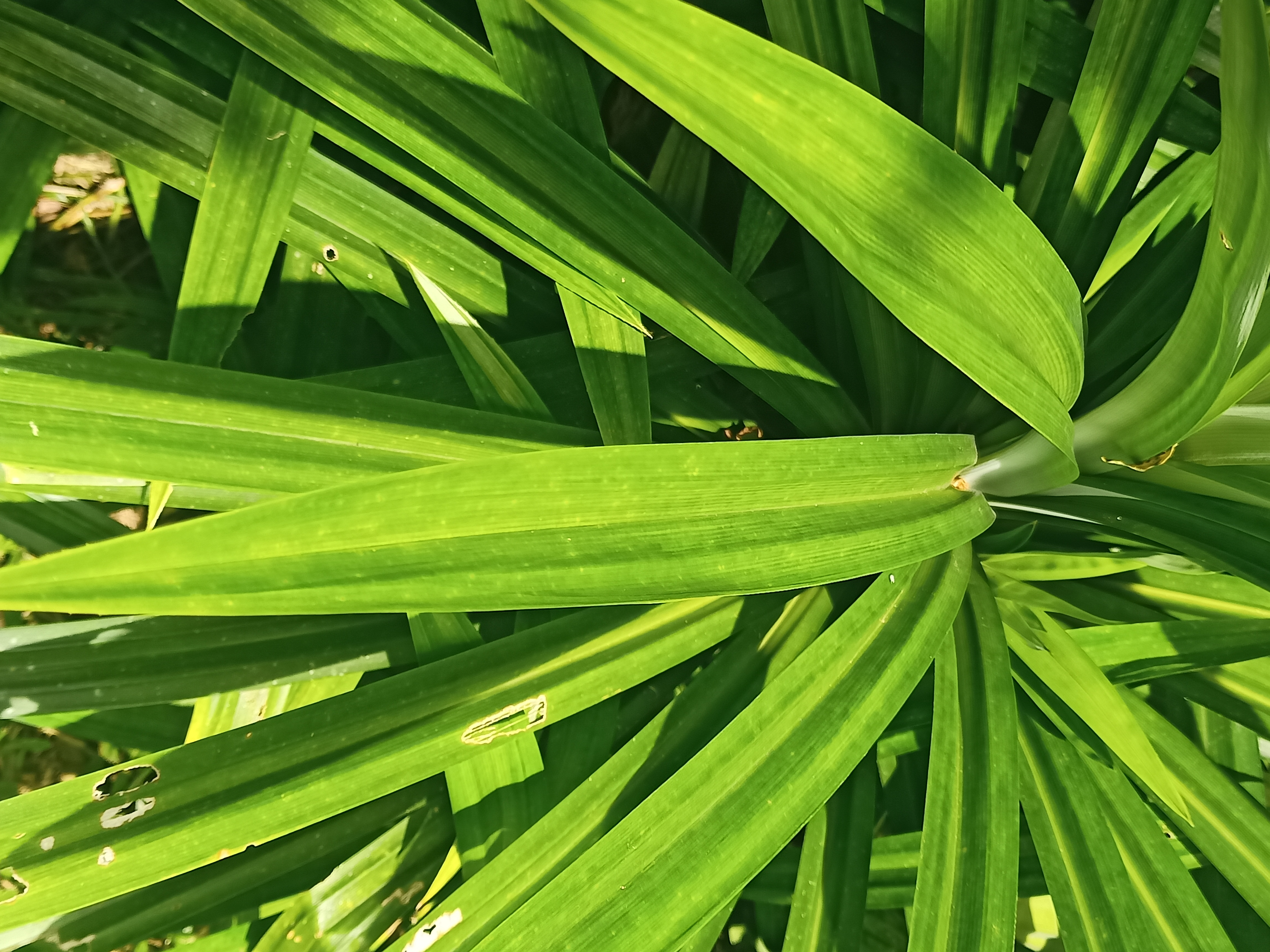
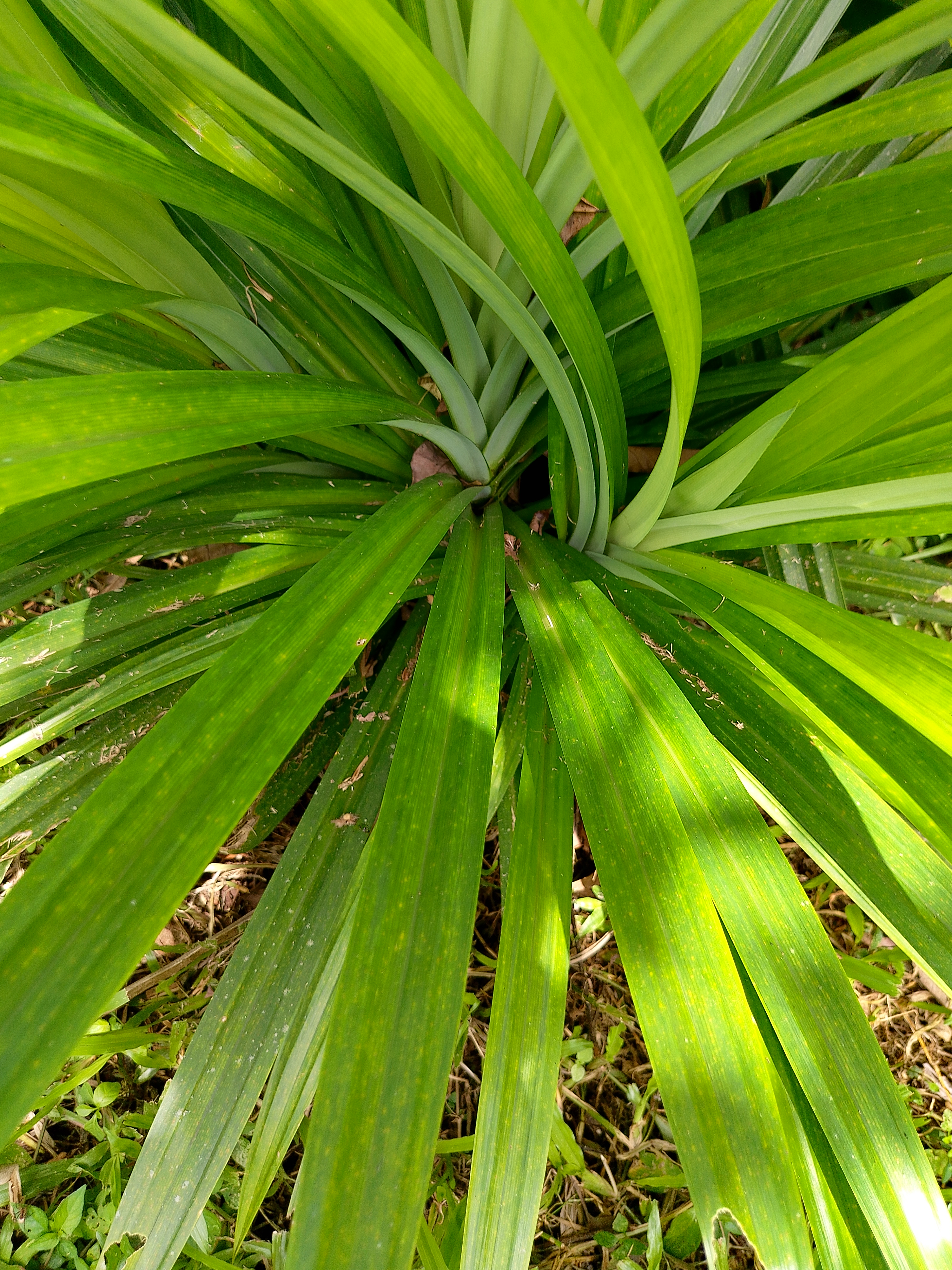
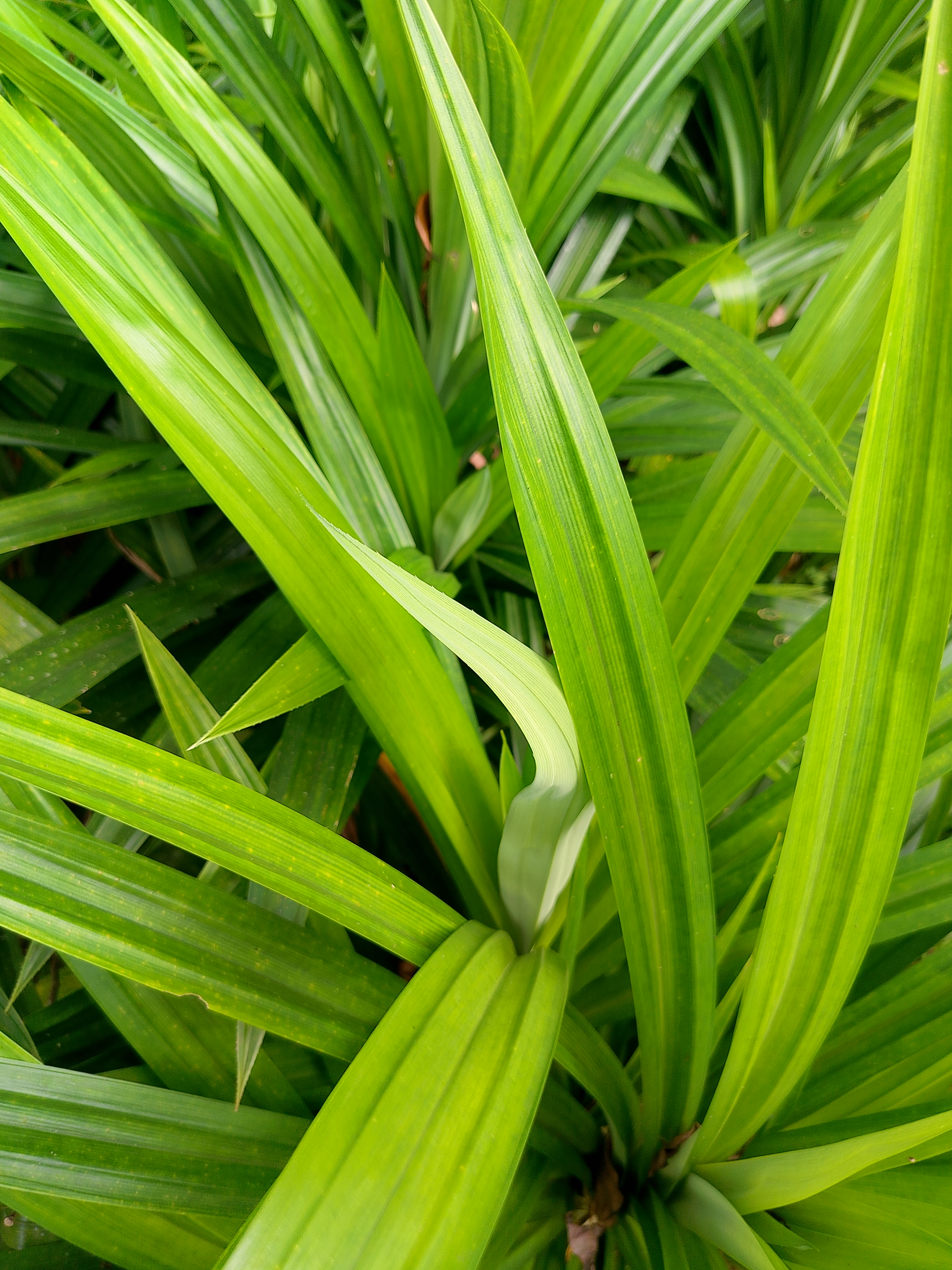
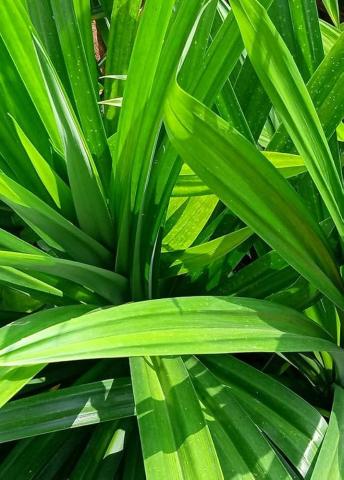
- Leaves : Long, narrow, linear, dark green, with prominent parallel veins
- Flowers : The flowers are small, yellow-green, and are not typically showy.
- Fruit: Small, ovoid, and typically orange to red when ripe.
To treat wounds, skin disorders , smallpox, thyroid problems, headache,Diabetes
- Diabetes : An infusion is used as a sedative against restlessness and is also a traditional treatment for diabetes
- Skin diseases : The leaves are used in the treatment of skin diseases
- Rheumatic disorders : They are soaked in coconut oil, the oil is then employed as an embrocation for rheumatic troubles
Propagation & Cultivation
It is sterile and can only reproduce vegetatively through suckers or cuttings. Offshoots, Pandan grows “pups” or small offshoots near the base. Once these are a few inches tall, they can be separated from the mother plant and repotted to propagate new plants. Pandan thrives in bright, indirect sunlight but can also tolerate partial shade. Avoid direct sunlight in hot climates, as this can scorch the leaves.If growing indoors, place it near a bright window where it can receive indirect sunlight. Ideally, keep pandan in temperatures between 75-95°F (24-35°C). It doesn’t tolerate cold weather or frost and should be brought indoors in colder climates.Consistent moisture: Pandan likes its soil to remain moist, but avoid water logging, as it can cause root rot. Water when the top inch of soil feels dry.Use a rich, well-draining potting mix with organic matter (like compost). A mixture of potting soil and sand or perlite can improve drainage while retaining some moisture.