Oriental Water Fern
Campaigns Published















Campaigns Unpublished
No Content Unpublished
Scientific name
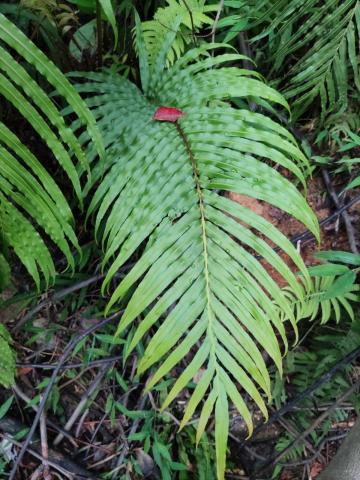
Blechnum orientale L.
English Name
Oriental Water Fern
Malayalam name
ഓറിയന്റൽ ഫെൺ
Common name
Oriental Blechnum
Description
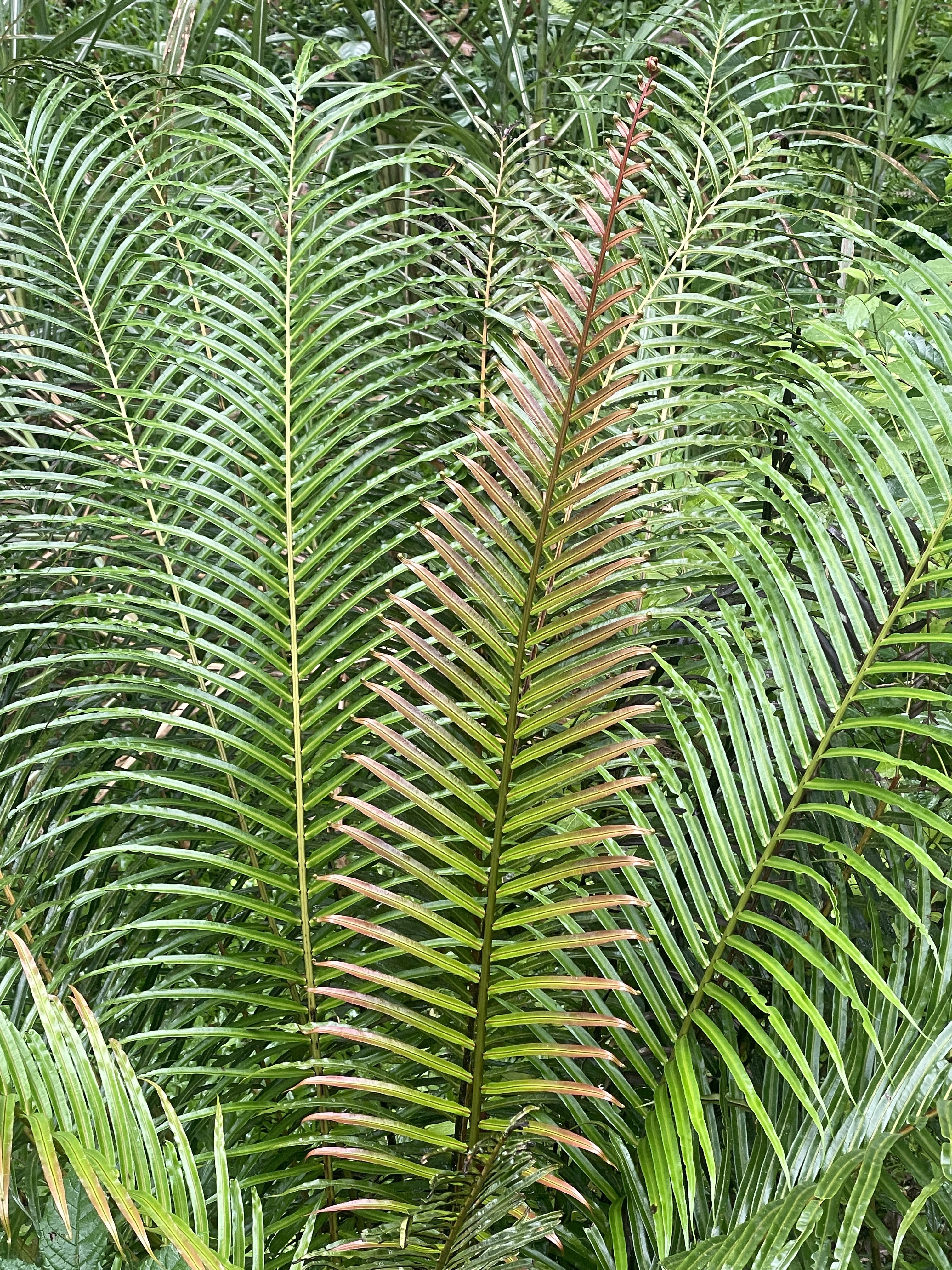
- Habit : Herb
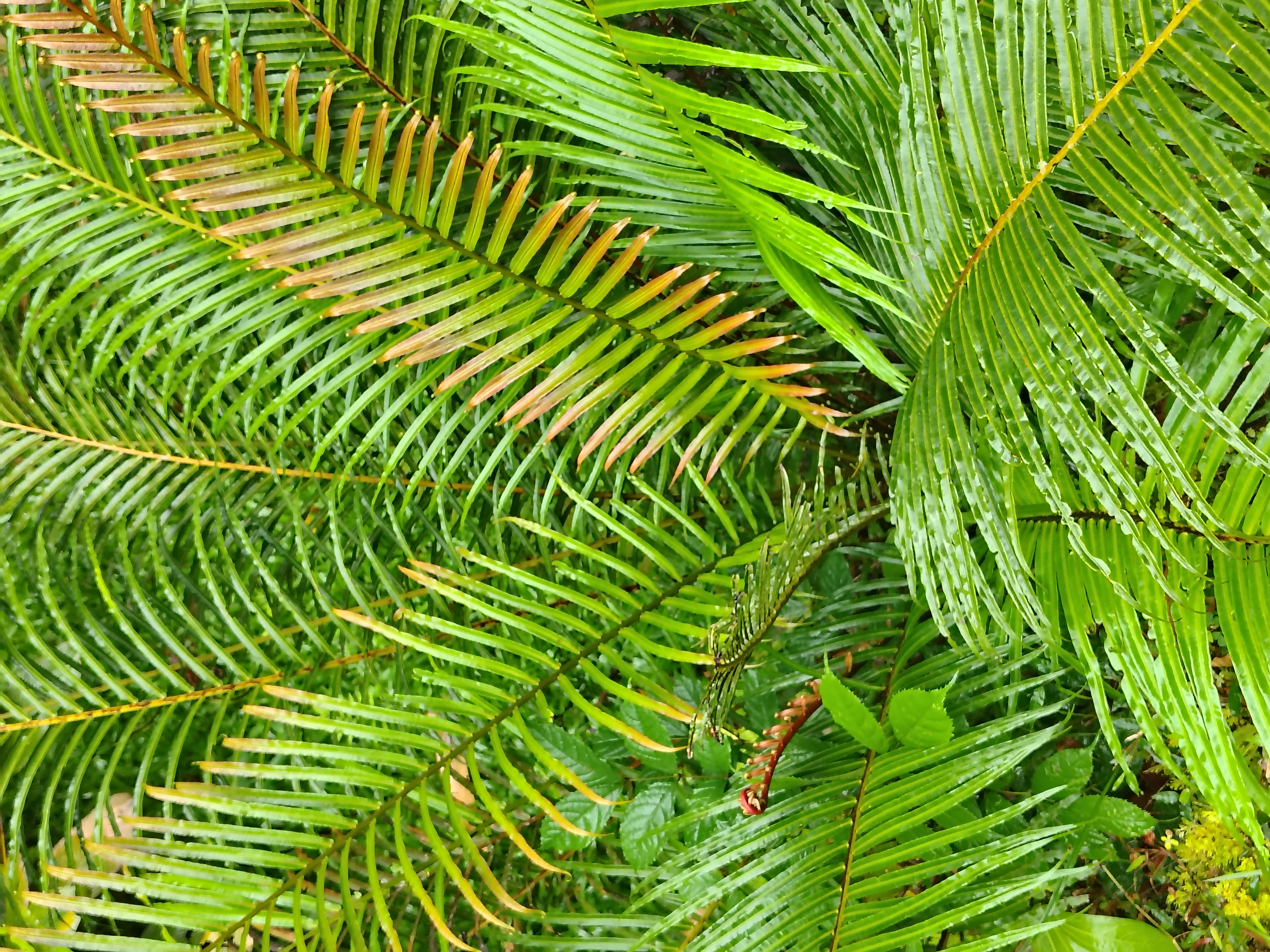
- Habitat : Open slopes (such as road cuttings) in rain forests, often growing in colonies
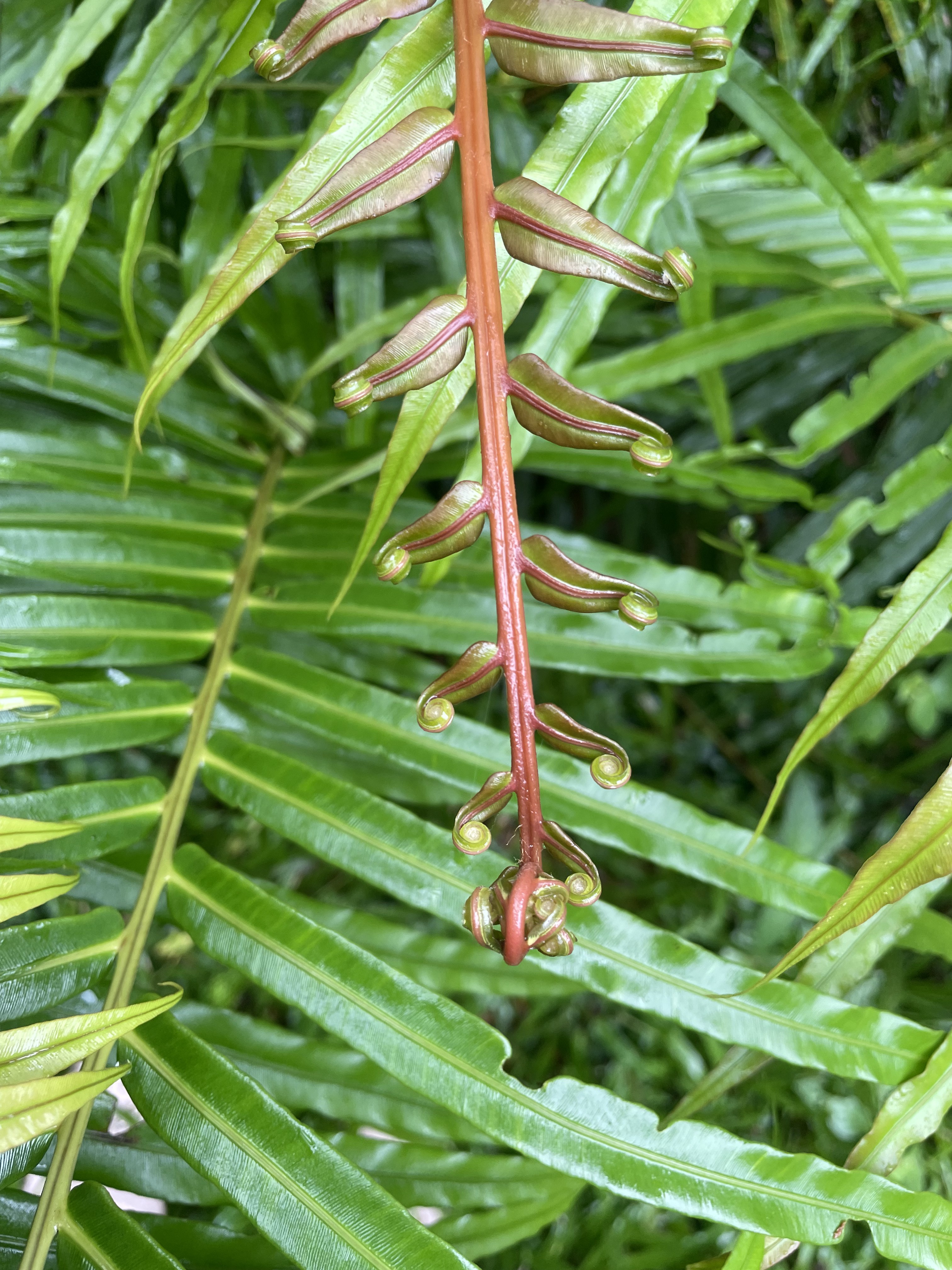
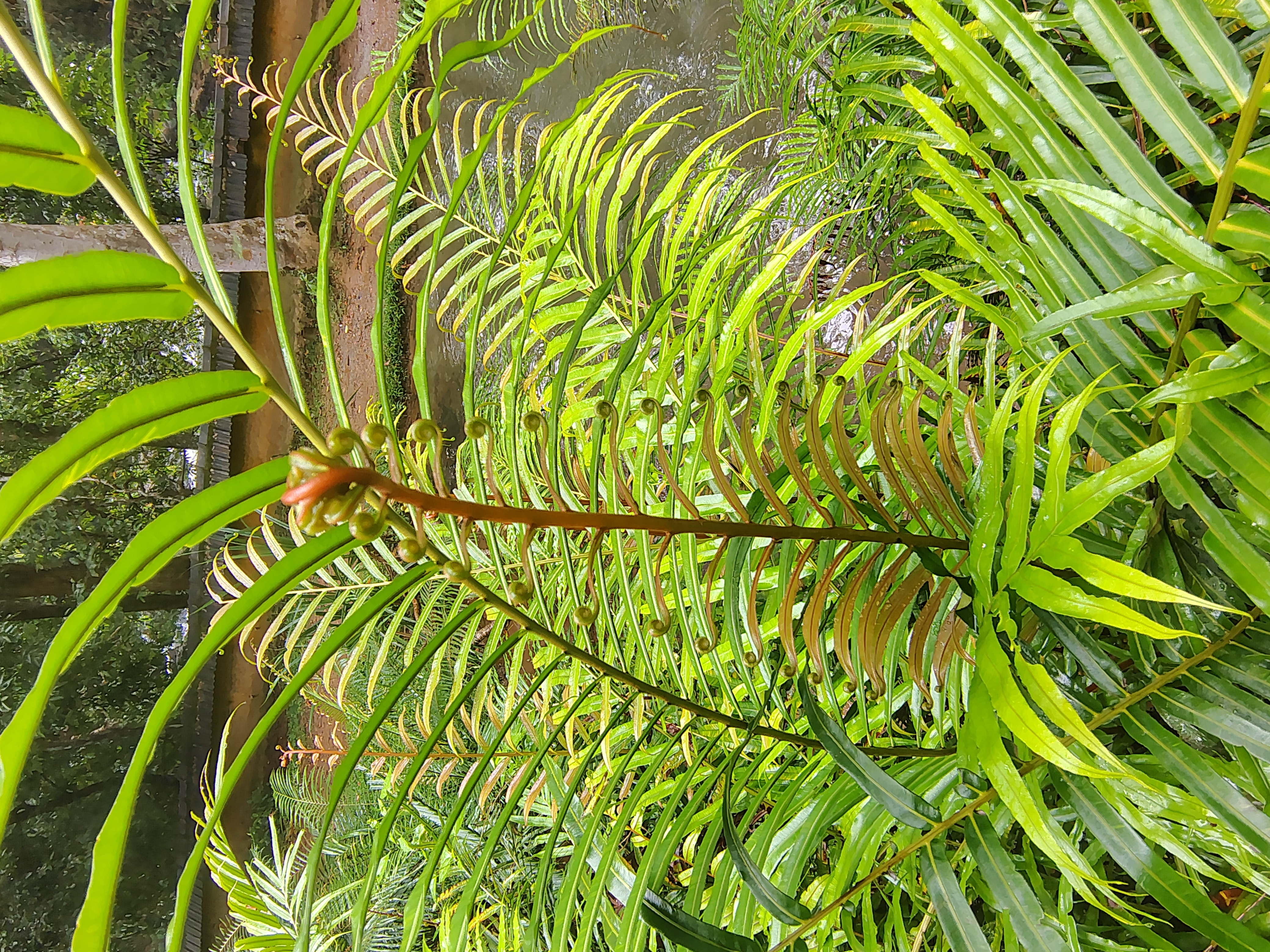
- Leaves : Large, leathery, and pinnate . New fronds often emerge with a striking pinkish or reddish tint before maturing into a deep, glossy green.
- Stem : The plant grows from a thick, woody, erect or sub-erect rhizome densely covered with narrow, dark brown scales. It may eventually form a short, trunk-like structure.
Uses
Skin diseases, worm infestations, urinary problems
Parts used
Rhizomes and young fronds.
How to use
- Anti-inflammatory properties : Traditionally used in Ayurveda and folk medicine for its anti-inflammatory and cooling properties. In some regions, the young, tender fronds (croziers) are boiled and eaten as a vegetable.
Conservation
Propagation & Cultivation
Spores can be grown from spores collected from mature fronds.The most practical method for gardeners is dividing the rhizomes or separating the clumps during the rainy season. Prefers moist, well-drained, slightly acidic soil rich in organic matter. Unusually for a fern, it can tolerate full sun if the soil is kept consistently moist, though it flourishes best in partial shade. Requires regular and liberal watering; it does not like to dry out completely. Low maintenance; simply remove old, withered fronds to encourage new growth from the center.