Coriander
Campaigns Published















Campaigns Unpublished
No Content Unpublished
Scientific name
Coriandrum sativum
English Name
Coriander
Malayalam name
മല്ലി, കൊത്തമല്ലി
Common name
Coriander, Chinese Parsley, Cilantro
Description
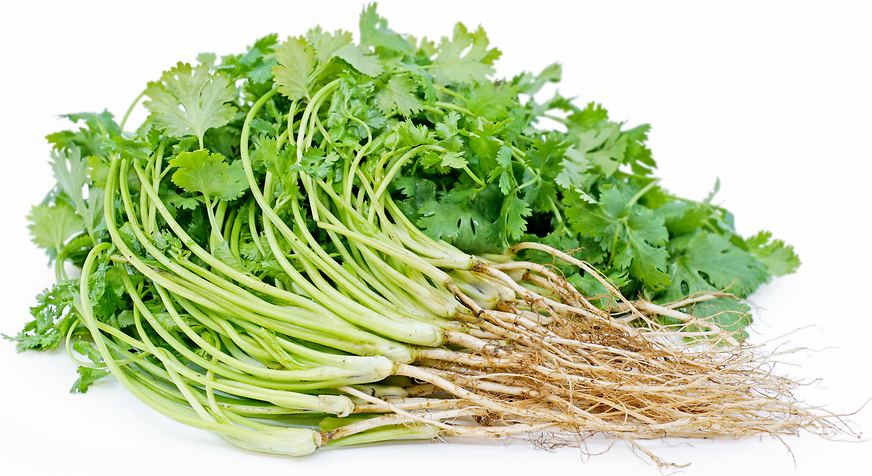
- Habit : Herb
- Habitat : Cultivated in nearly all parts of the world
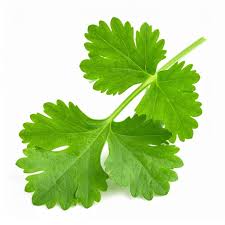
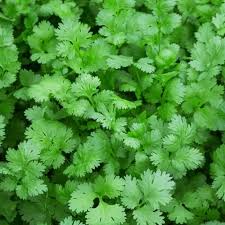
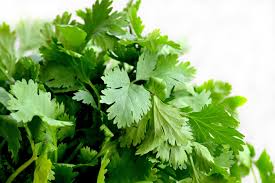
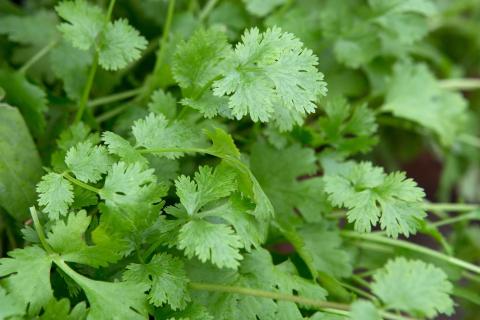
- Leaves : Basal leaves trifoliolate, broadly ovate, base cuneate, margins variously incised, apex obtuse; cualine leaves ternately decompound, segments linear-filiform.
- Flowers : purplish-white Fruit : orbicular, terete
Uses
Stimulant, stomachic, carminative, antispasmodic, diuretic and anti-inflammatory.
Parts used
Whole plant
How to use
- Indigestion : Juice of the fresh plant is used to treat indigestion and bleeding piles.
- Seed oil is bactericidal and larvicidal.
- Cardiac diseases, piles, pain, jaundice : The decoction of the dried fruit is used in cardiac diseases, piles, pain, jaundice, common cough, fever, diarrhea, sore throat and rheumatism.
Propagation & Cultivation
Propagation: Coriander is propagated by seeds. The dry fruits are lightly split into two halves and sown directly in the soil about 1–1.5 cm deep.
Cultivation: It grows best in well-drained loamy soil under cool conditions. Regular irrigation and removal of weeds help good growth and yield.