Sago Palm
Campaigns Published















Campaigns Unpublished
No Content Unpublished

Scientific name
Cycas circinalis L.
English Name
Sago Palm
Malayalam name
ഈന്ത്
Common name
Queen Sago
Description
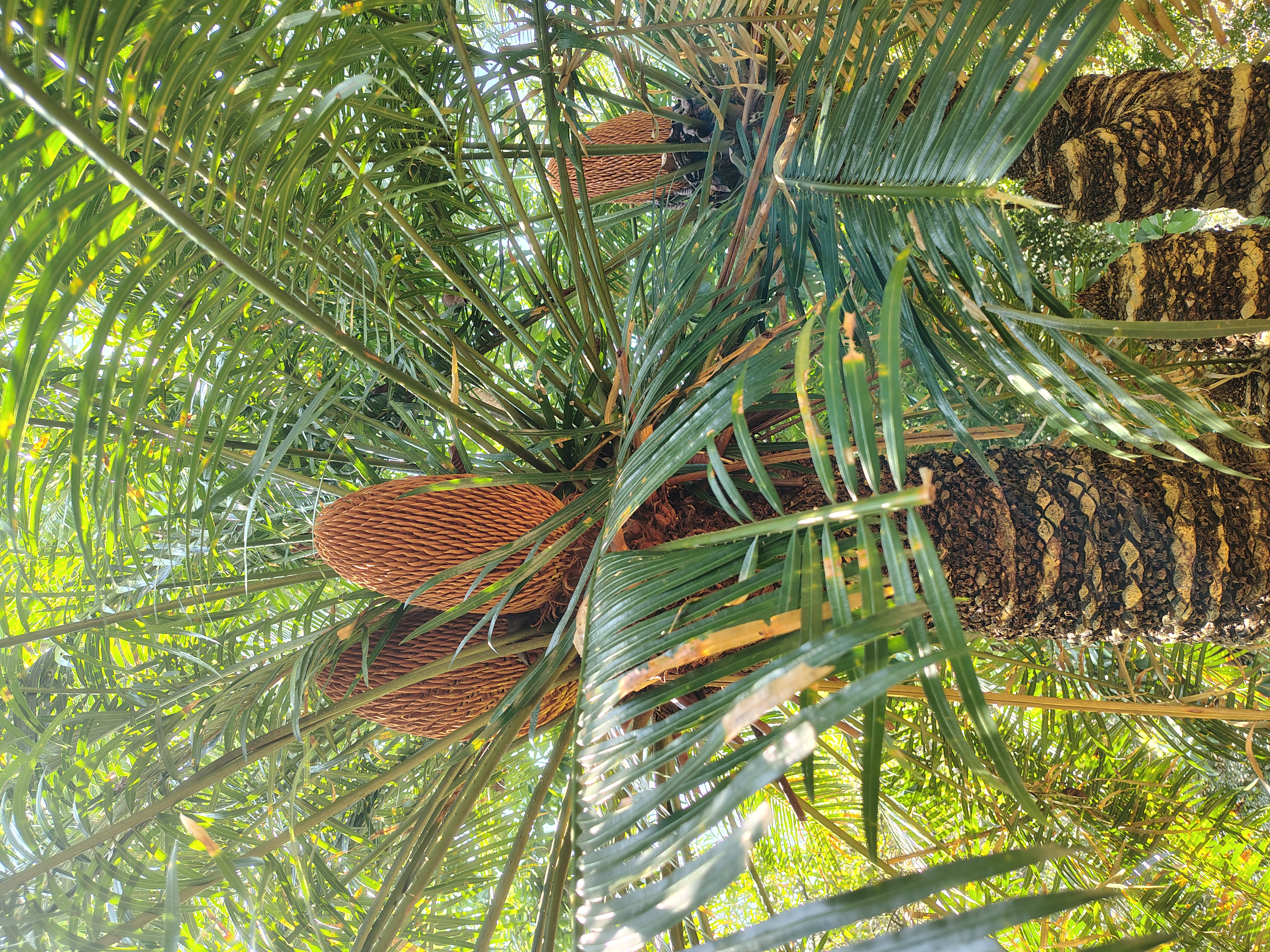
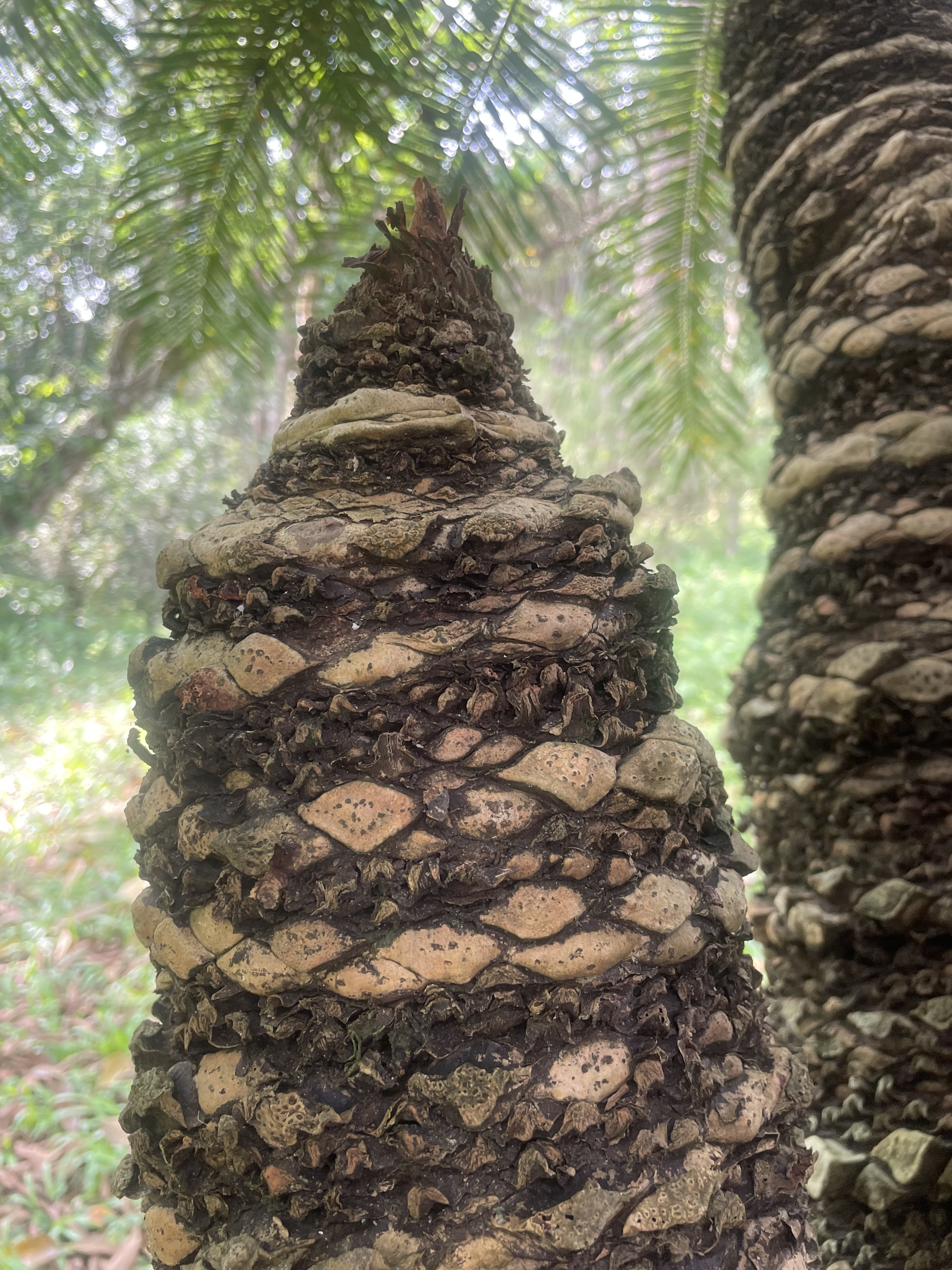
- Habit : Palm-like evergreen shrub or small tree
- Habitat : Deciduous forests,Endemic to the Western Ghats and hilly regions of southern India, typically in dry, scrubby woodlands and rocky hills.
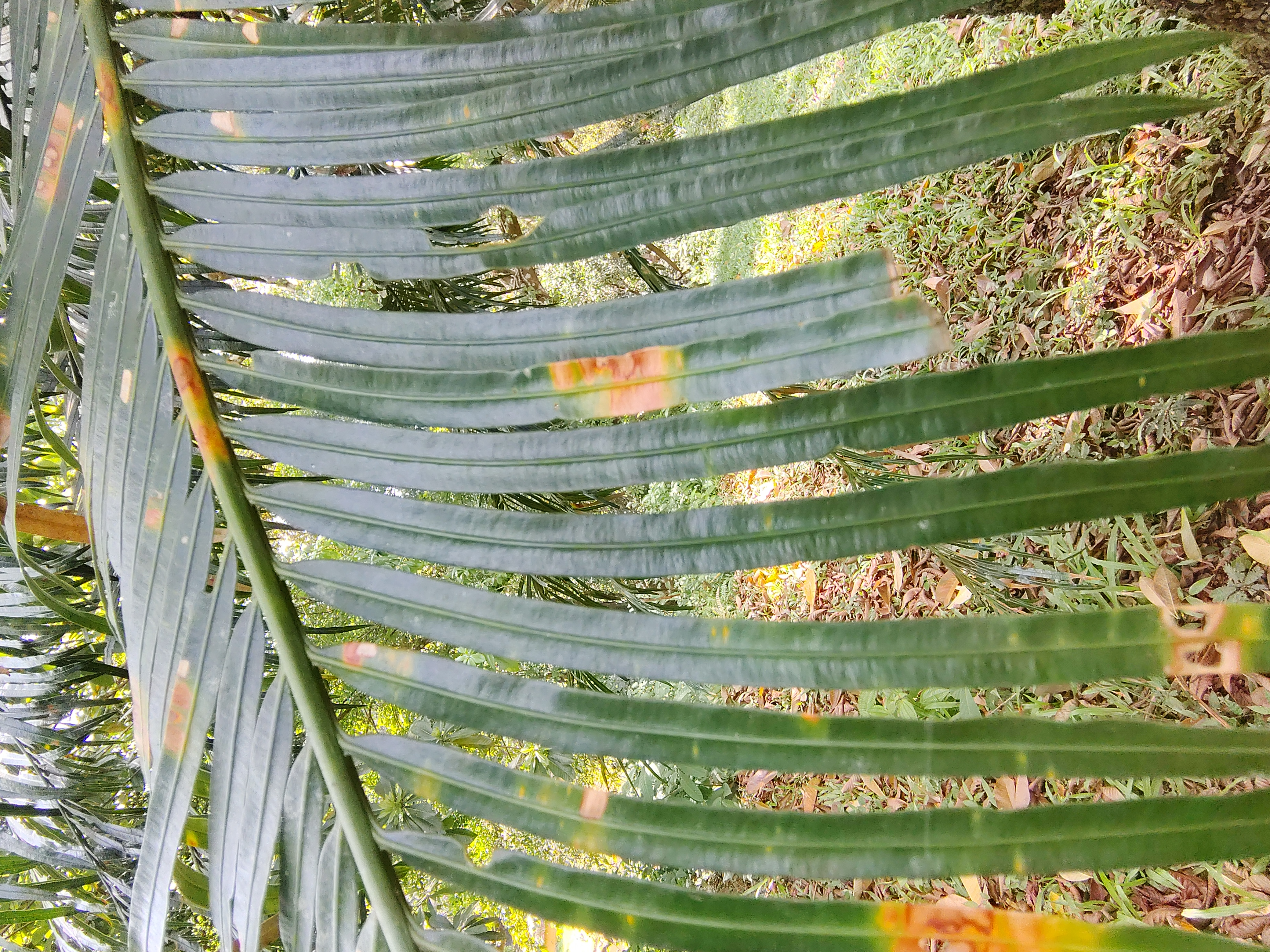
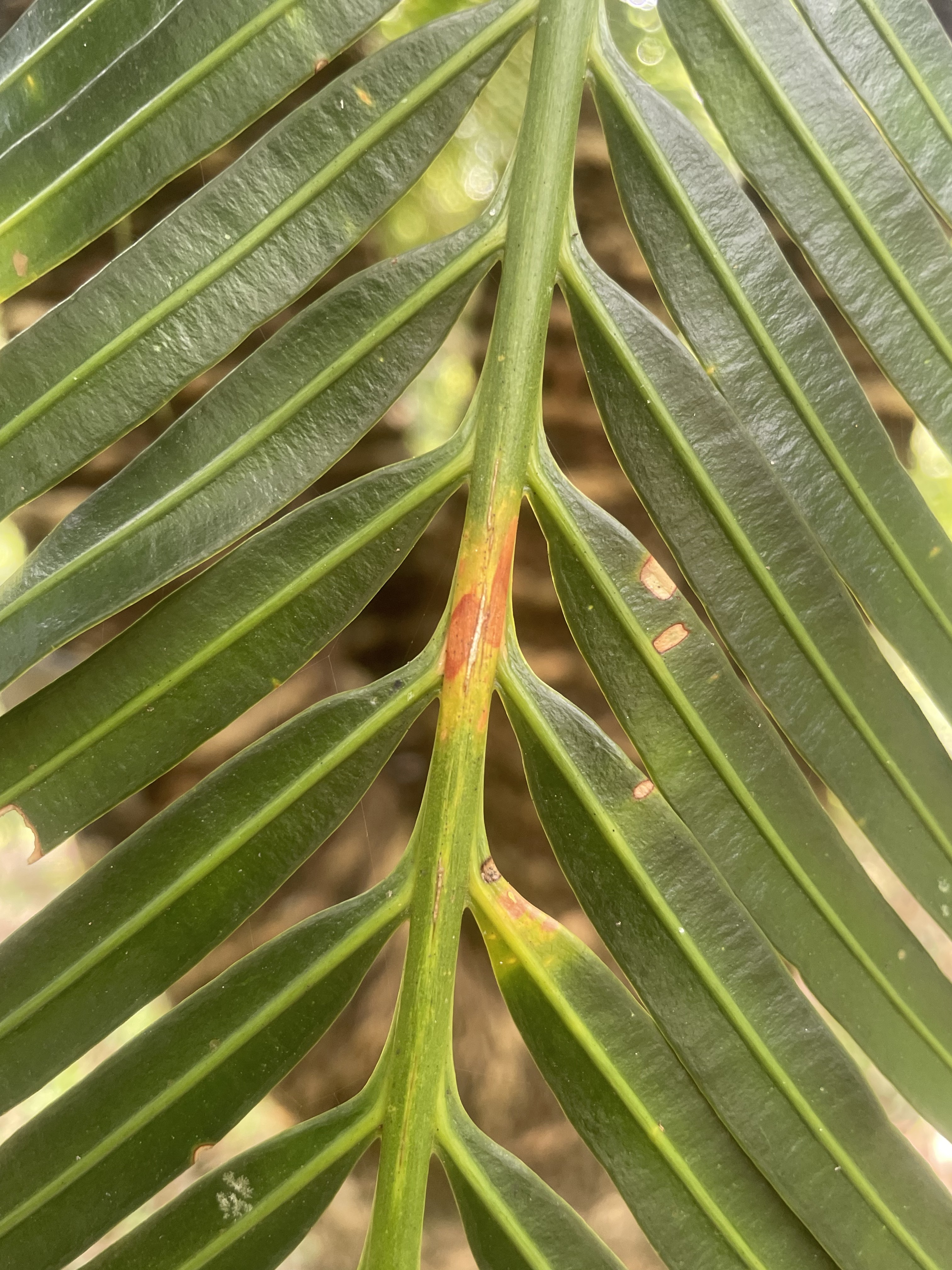
- Leaves : Pinnately compound, long, dark green and glossy, arranged in a terminal rosette crown
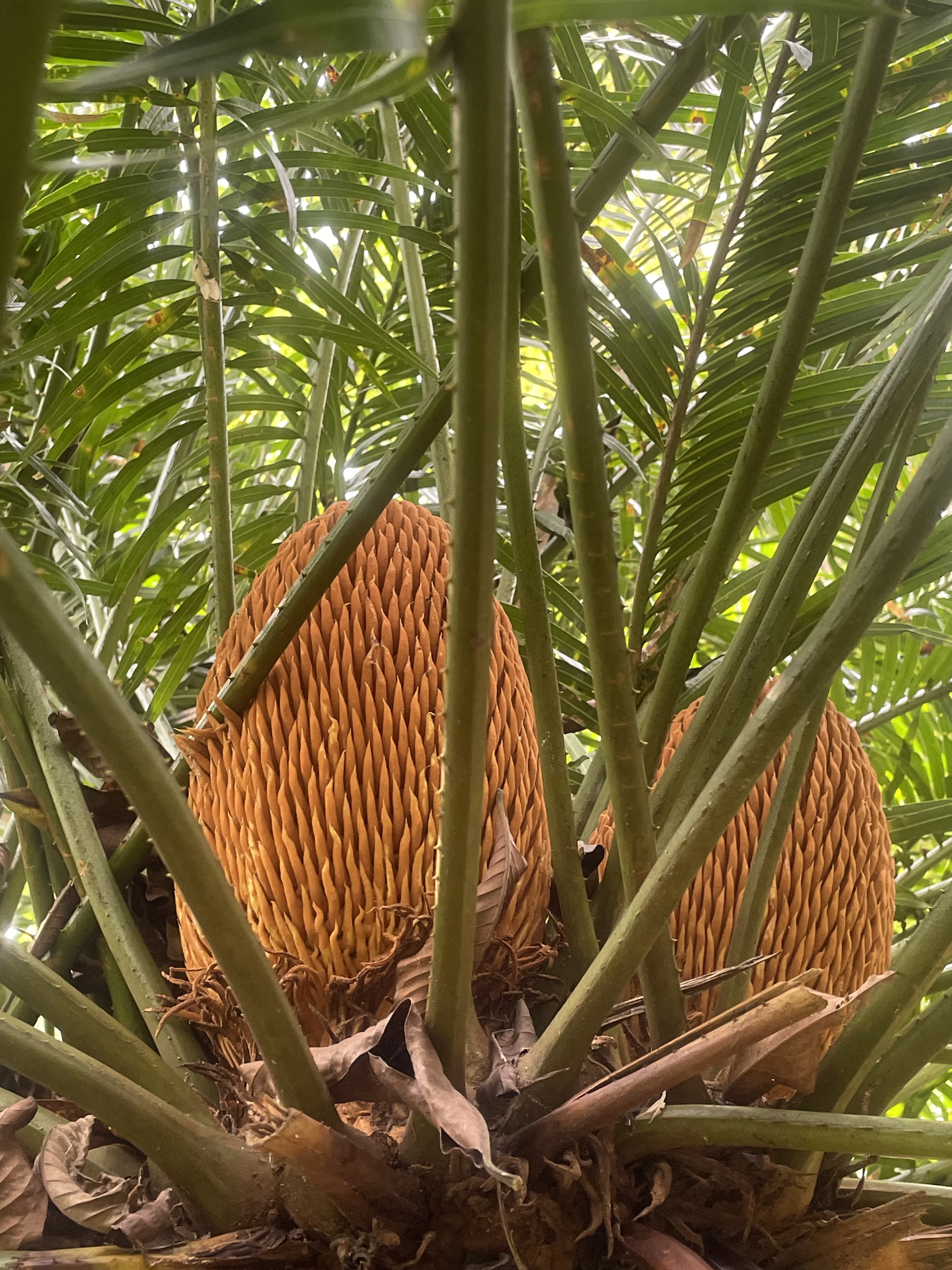
- Flowers : Dioecious (no true flowers); males produce large woody cones, females produce loosely arranged megasporophylls bearing ovules
Uses
Sores and swellings, vomiting, burning sensation, general debility, flatulence, joint disorders and neurological pains
Parts used
Tender leaves, bark, seeds, male cones
How to use
- Treat sores and swellings : A paste of the bark and seeds mixed with coconut oil is applied externally to treat sores and swellings.
- Vomiting : The juice extracted from tender leaves is useful in treating vomiting and flatulence.
- Gastrointestinal tonic : The endosperm of the seed, when properly leached and processed to remove toxins, is used for burning sensations, general debility, and as a gastrointestinal tonic.
- Joint disorders, rheumatoid arthritis : Traditional Ayurvedic practitioners use the leaf paste externally for joint disorders, rheumatoid arthritis, and neurological pains.
- Male cones are traditionally used as a narcotic and insect repellent.
Conservation
Propagation & Cultivation
Queen Sago thrives in warm, tropical, and subtropical climates with well-draining soil, ranging from sandy to loamy. It is highly drought-tolerant and prefers full sun or partial shade. Cultivation is primarily done through seeds, which require soaking and can take several months to germinate, or by separating basal offsets (suckers) from the parent plant. Proper planting involves ensuring excellent drainage to prevent root rot, and maintaining warm temperatures, as it is a very slow-growing plant that is sensitive to cold and frost.