Lotus
Campaigns Published















Campaigns Unpublished
No Content Unpublished

Scientific name
Nelumbo nucifera Gaertn.
English Name
Lotus
Malayalam name
താമര
Common name
Lotus
Description
- Habit : Herb
- Habitat : Aquatic (Freshwater Pond / Lake / River)
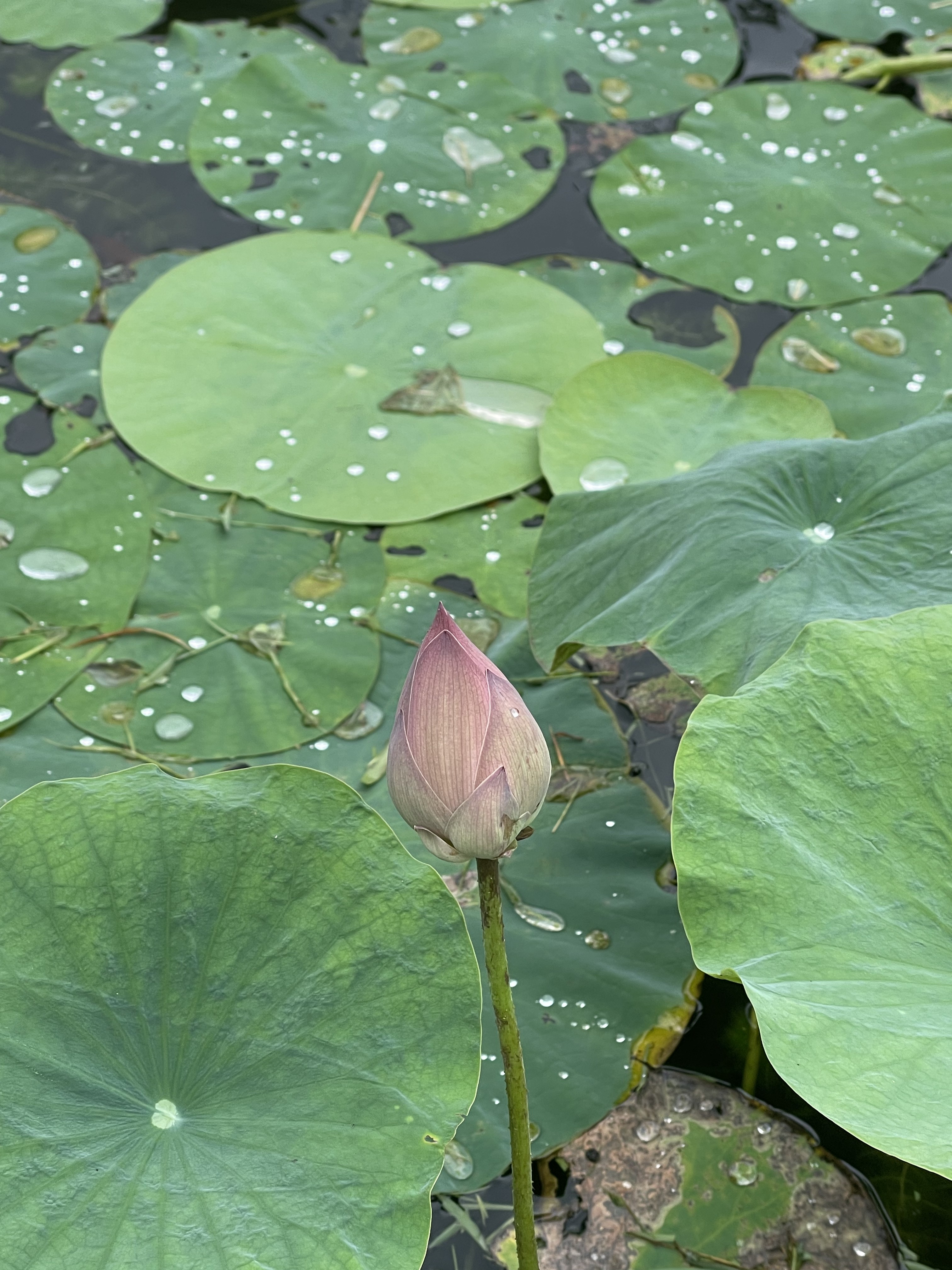
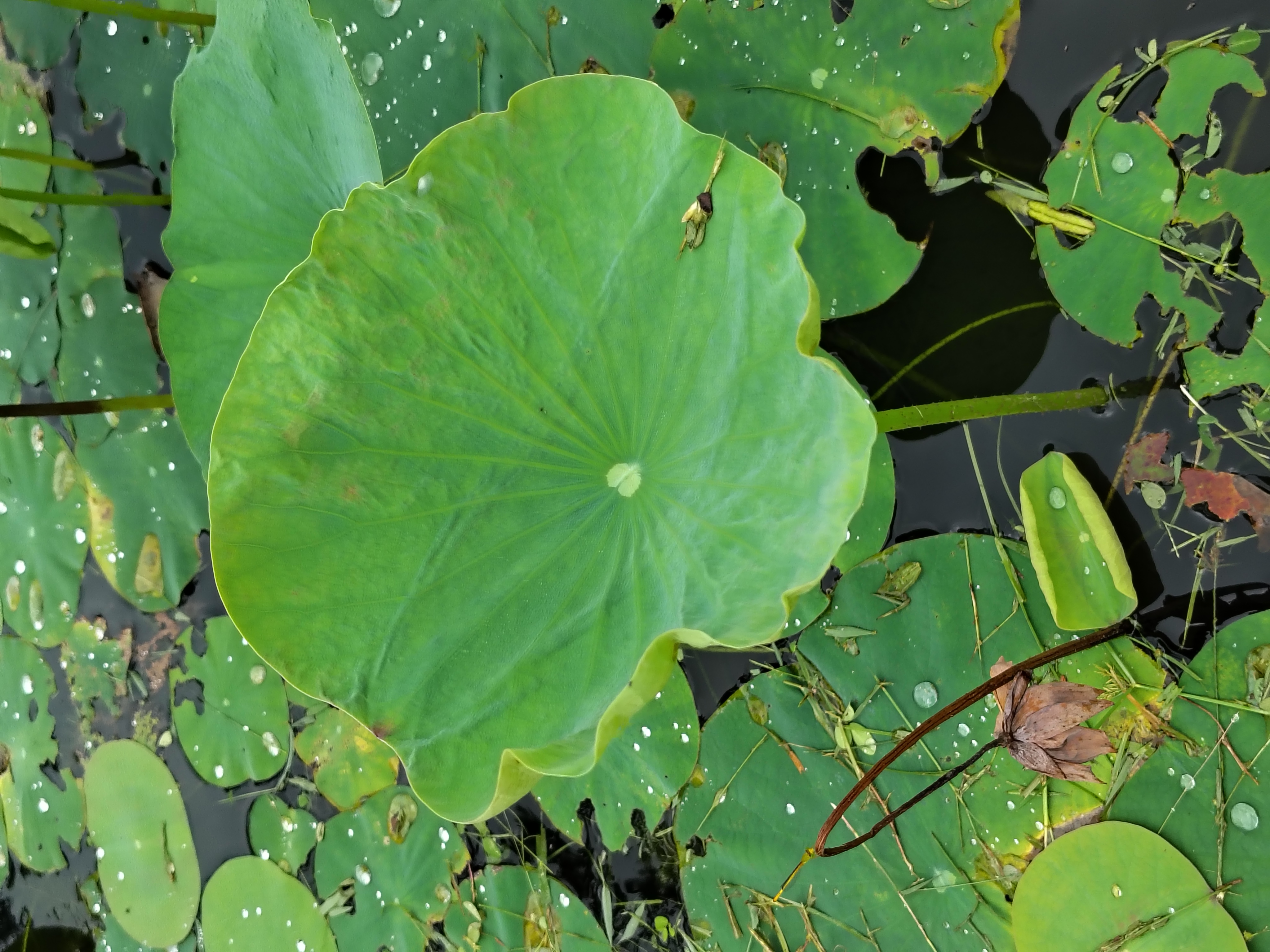
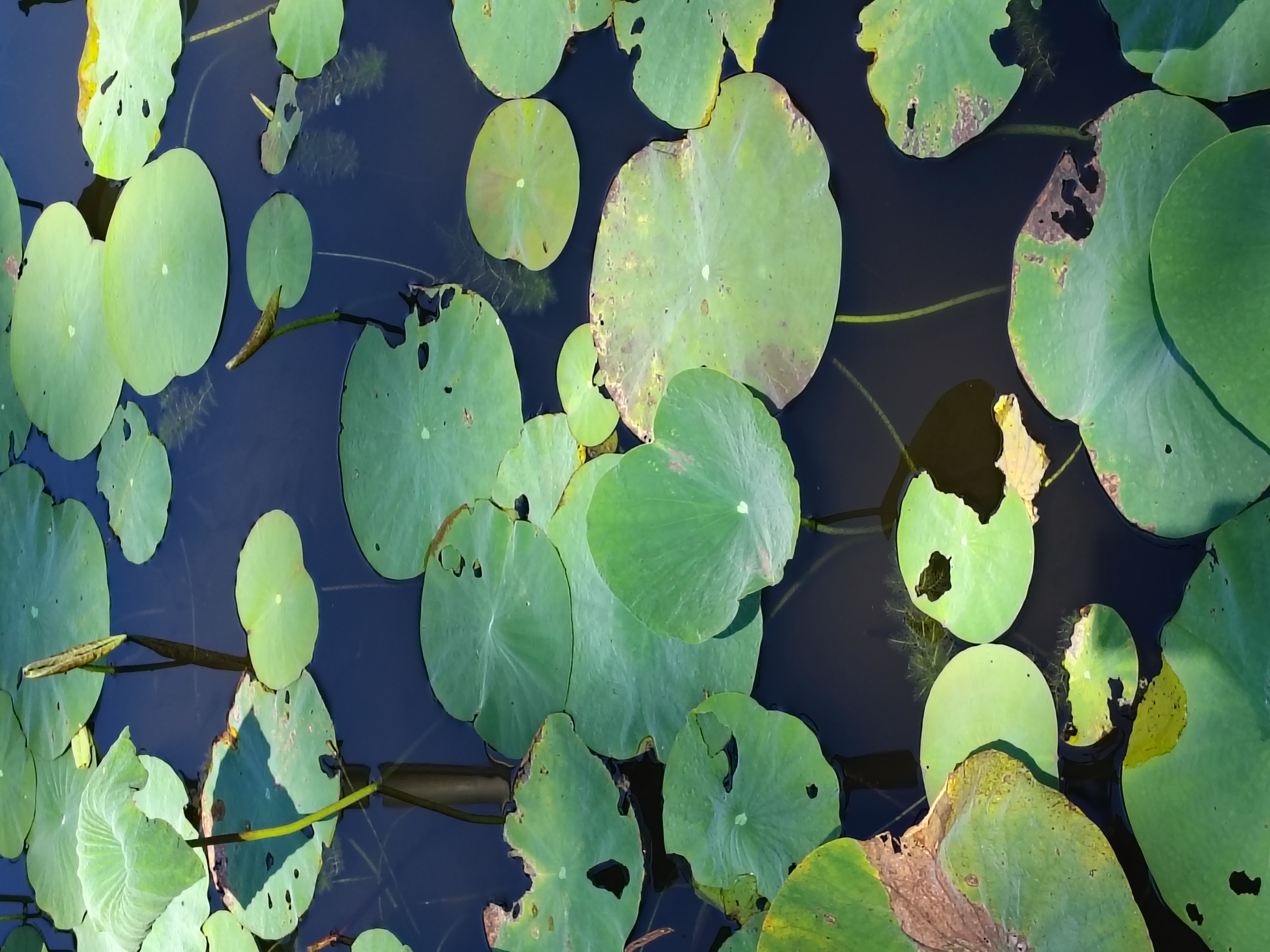
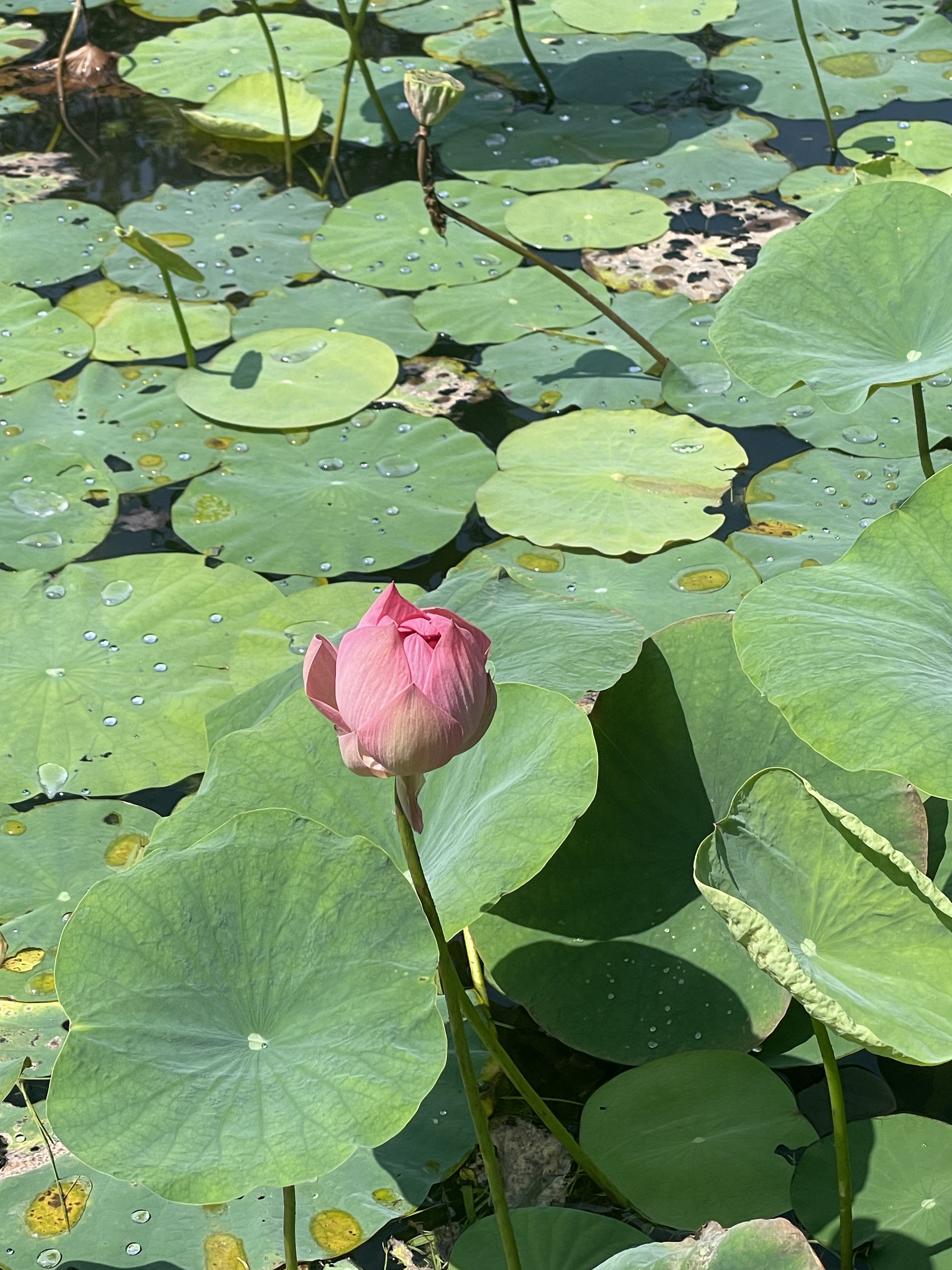
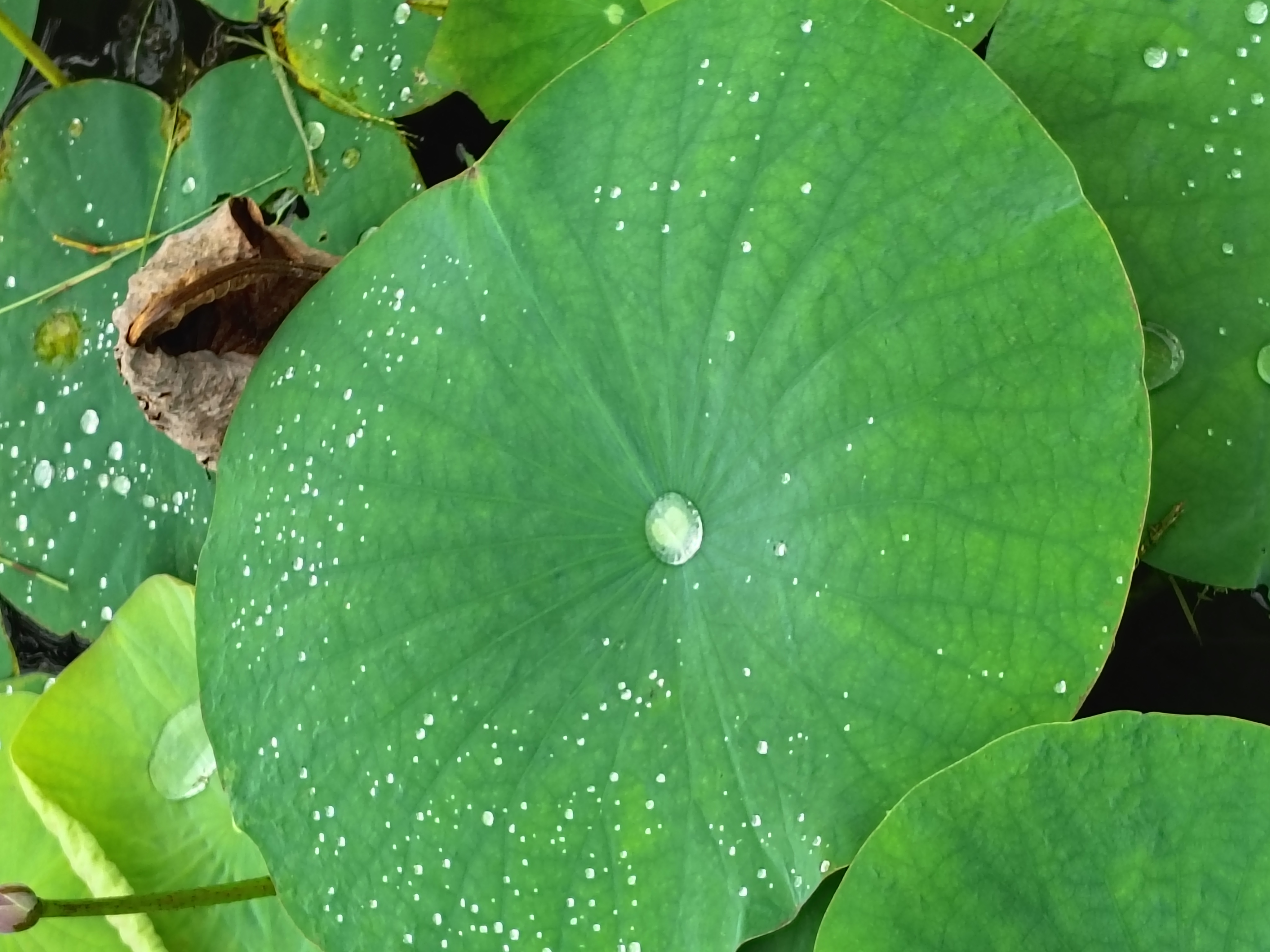
- Leaves : The large, peltate (with the leaf stalk attaching to the centre) leaves(60 cm across) rise above the water surface on 1-2 m long petioles.
- Stems : The underground horizontal stem (known as a rhizome) occurs in the mud at the bottom of shallow ponds.
- Flowers : Large flowers (35 cm wide) are usually found on thick stems rising several centimeter above the leaves.
Uses
Constipation, digestive system,abdominal cramps, gastric ulcers, excessive menstruation, fever
Parts used
Whole plant
How to use
- Sunstroke : The leaf juice is used in the treatment of diarrhoea and is decocted with liquorice (Glycyrrhiza spp) for the treatment of sunstroke.
- A decoction of the flowers is used in the treatment of premature ejaculation.
- The flowers are recommended as a cardiac tonic.
- Abdominal cramps : A decoction of the floral receptacle is used in the treatment of abdominal cramps, bloody discharges etc.
- Diarrhea : The root starch is used in the treatment of diarrhea, dysentery
Conservation
Propagation & Cultivation
Seed - file the seed across its centre, being very careful not to damage the flesh of the seed, and soak in warm water, changing the water twice a day until signs of germination are seen, which should be within 3 - 4 weeks at 25°c. Plant in individual pots just covered in water and increase the depth as the plant grows. Division in spring as the plant comes into growth. Be very careful, the plants deeply resent root disturbance cultivated in nutrient-rich, loamy clay in full sun (6-8+ hours) and warm water (typically 25°C+), usually in containers (18-24 inches deep) or shallow, still ponds.