Cape jasmine
Campaigns Published















Campaigns Unpublished
No Content Unpublished

Scientific name
Gardenia jasminoides J.Ellis
English Name
Cape jasmine
Malayalam name
ഗന്ധരാജൻ
Common name
Gardenia
Description
- Habit : Shrub
- Habitat : Thickets and forests at stream sides, on mountain slopes, on hills, or in valleys and fields
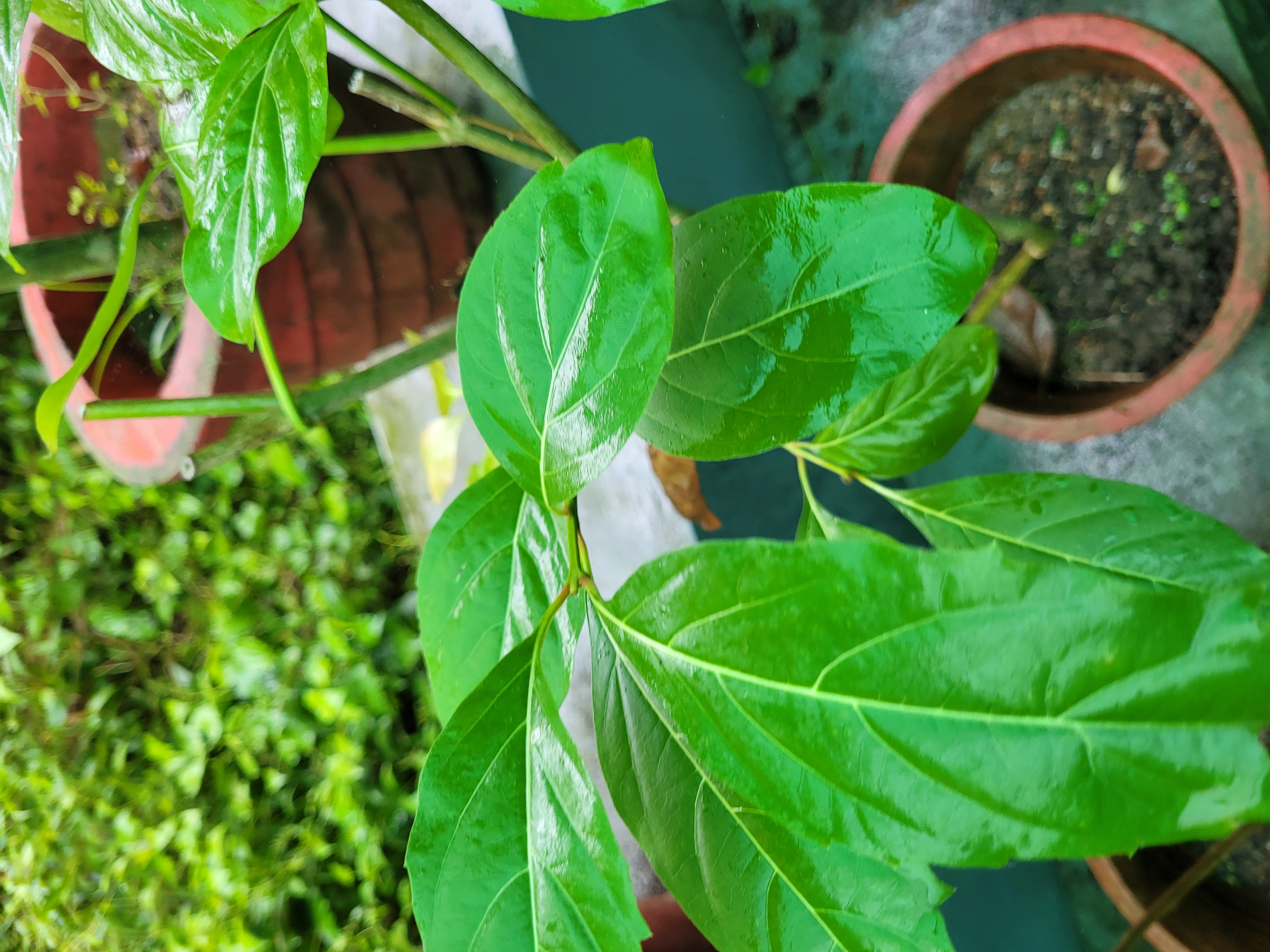
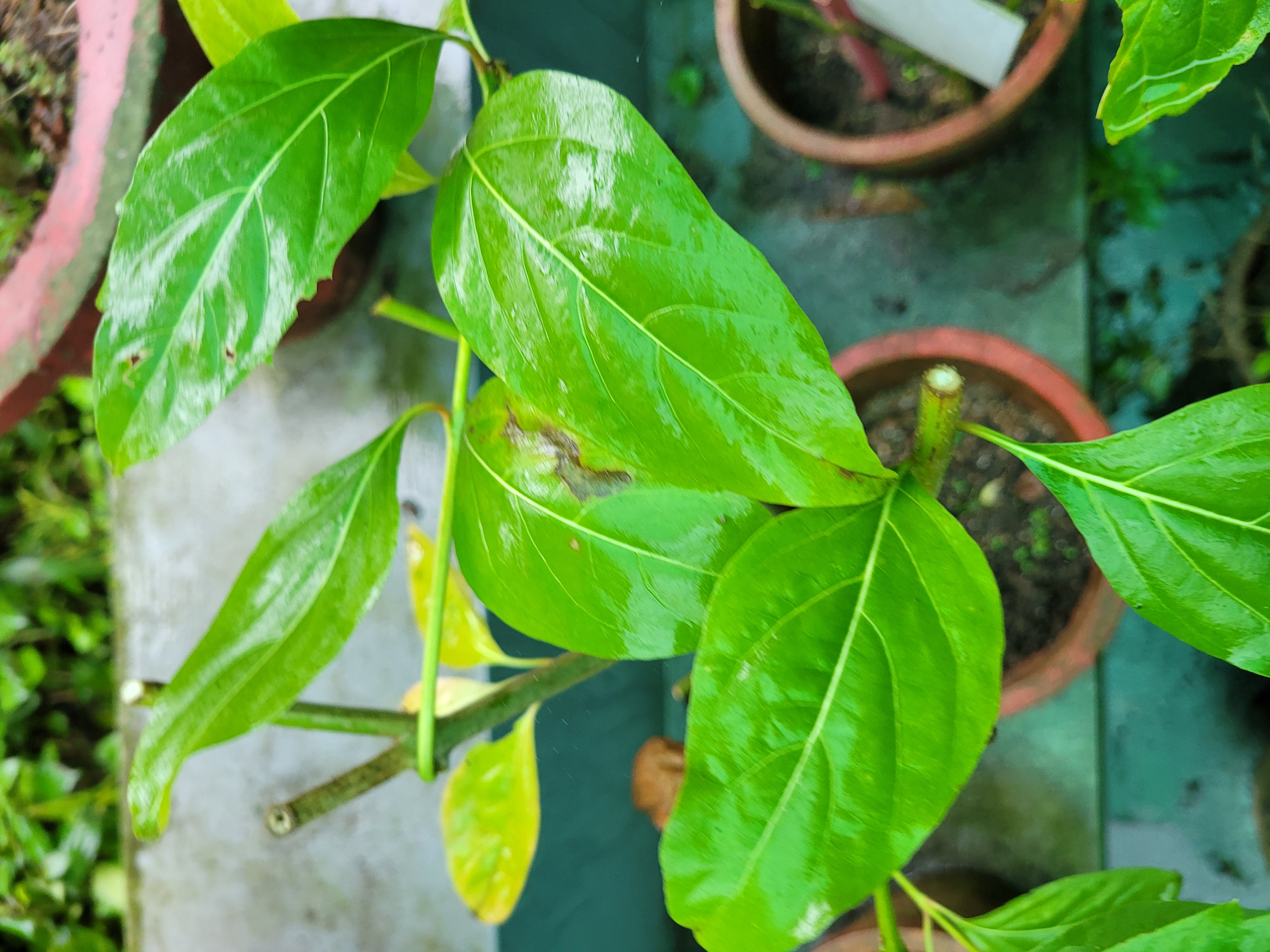
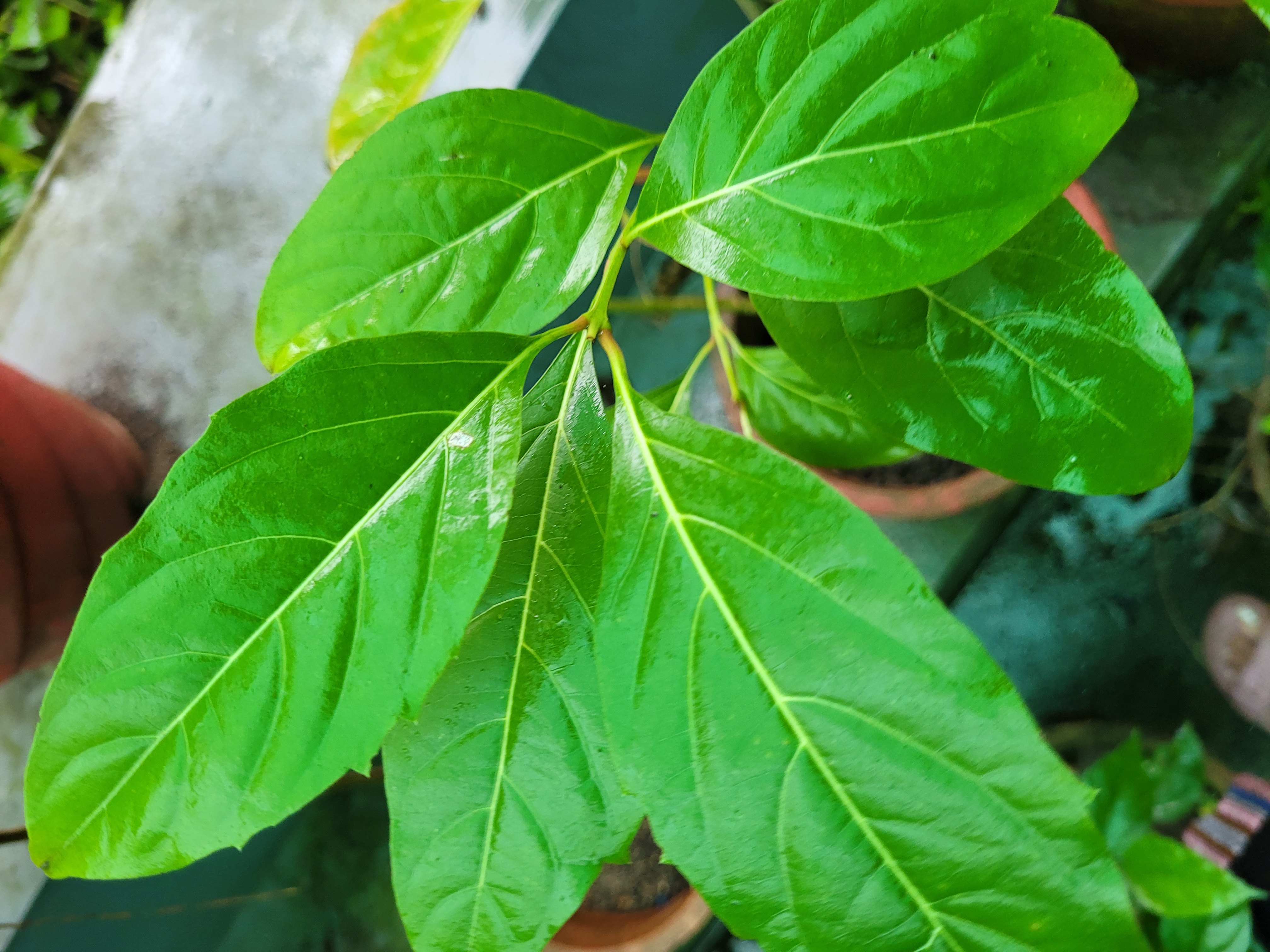
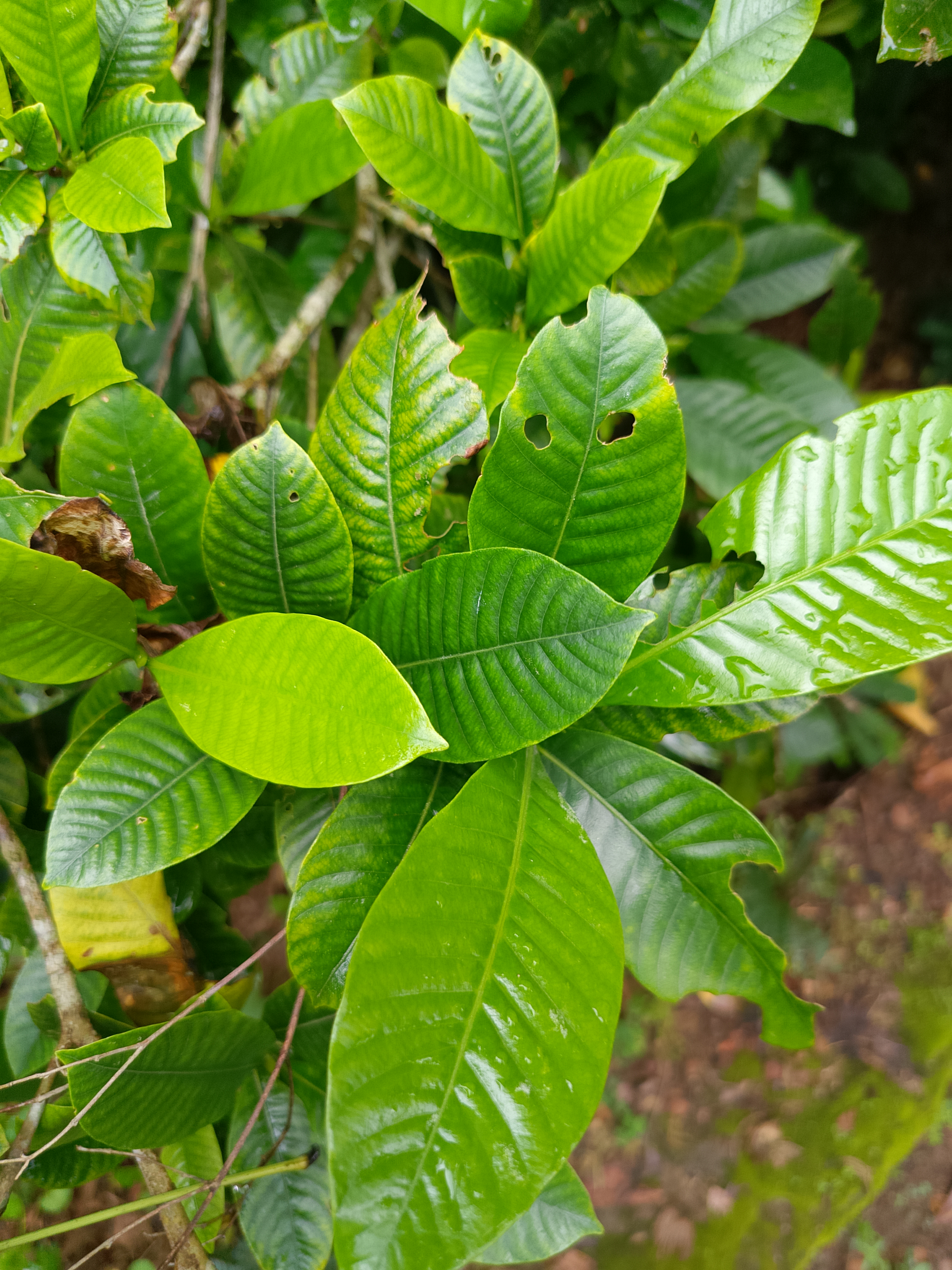
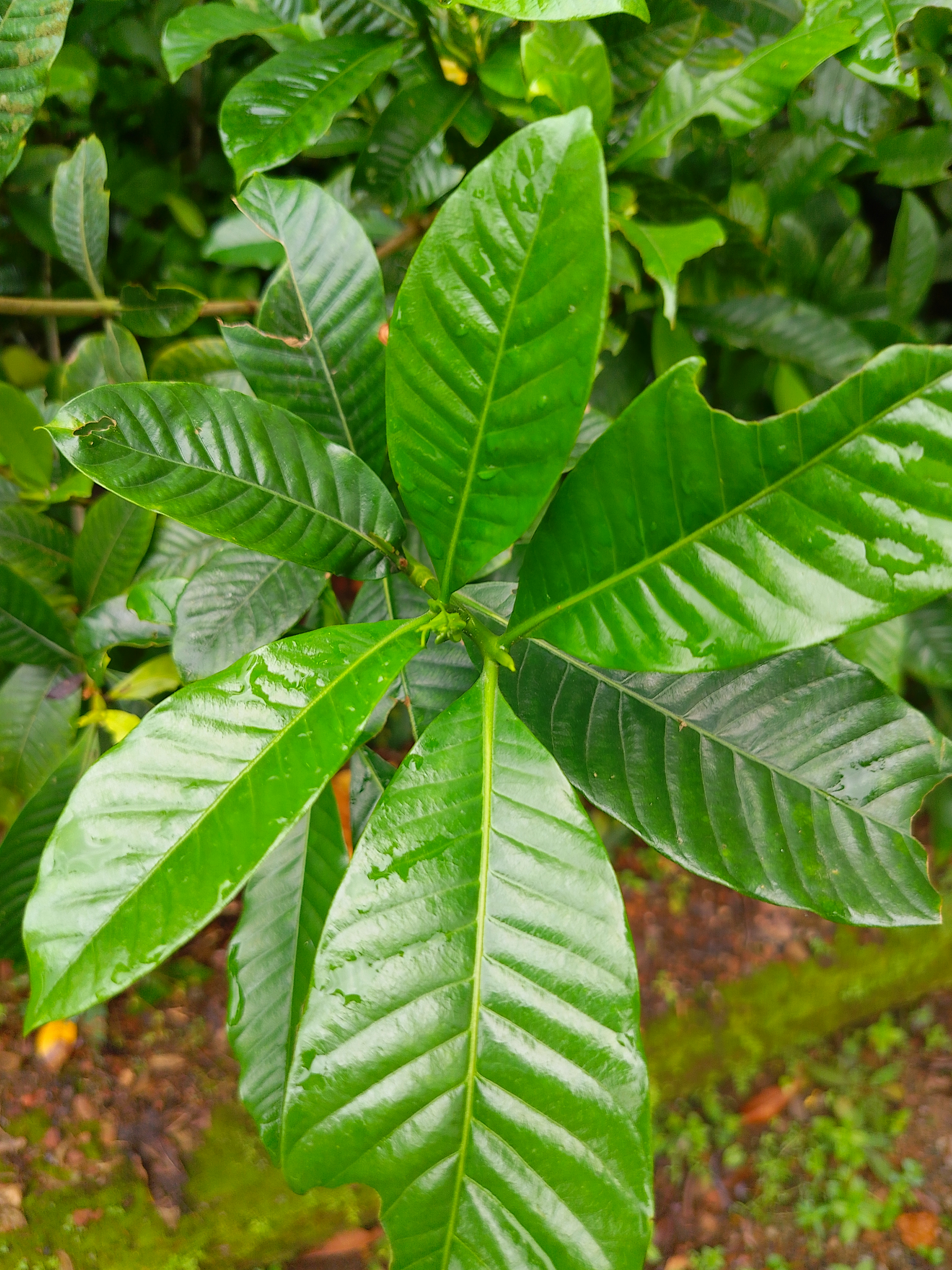
- Leaves : glossy, dark green leaves that are oval or elliptical in shape , leaves are arranged opposite each other along the stems.
- Flowers : large, fragrant,white or cream-colored
Uses
Fever, jaundice, sore throat, constipation, bloody stools, inflammations, burns, boils and impetigo
Parts used
Whole Plant
How to use
- A decoction of the fruit , sometimes in combination with Adenosma glutinosum, is used in treating diseases of the kidneys and lungs, fevers, jaundice, constipation, bloody stools,inflammations, burns, boils and impetigo.
- A poultice of the pounded fresh leaves is an effective treatment for wounds and acute conjunctivitis.
- The roots are dysenteric. They are used to treat headache, dyspepsia, nervous disorders, and fever
Conservation
Propagation & Cultivation
Cape jasmine is best propagated via 4–6 inch softwood cuttings taken in spring, dipped in rooting hormone, and rooted in a moist, peat-perlite mix over 40-50 days Cultivation requires acidic soil (pH 4.5–6.0), bright indirect light, high humidity, and consistent moisture. Key care includes regular feeding with acid-loving fertilizer and keeping temperatures between (59-64°F).