Schizomussaenda
Campaigns Published















Campaigns Unpublished
No Content Unpublished
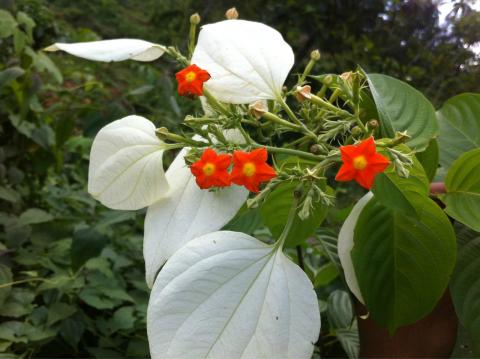
Scientific name
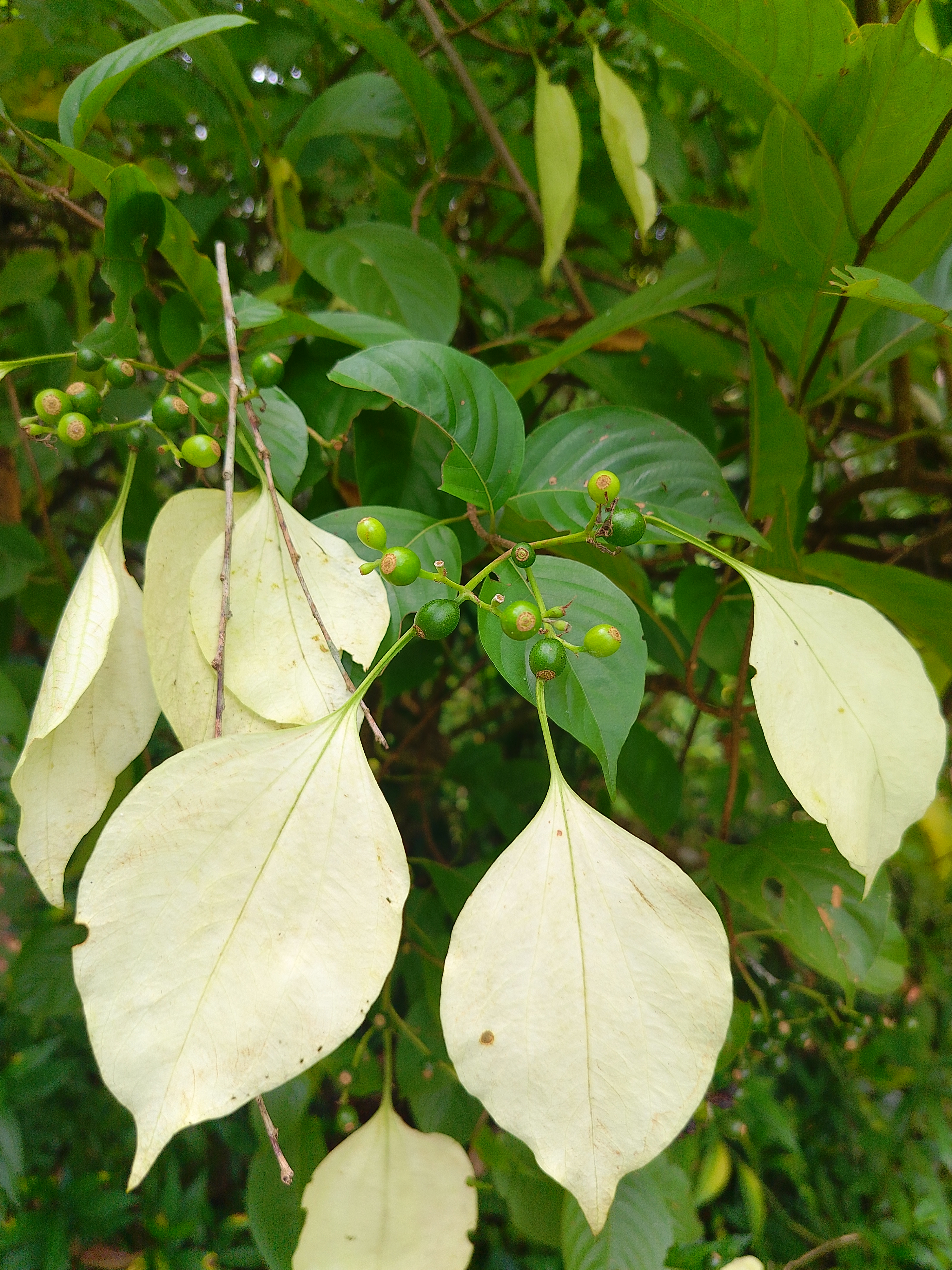
Mussaenda frondosa L
English Name
Schizomussaenda
Malayalam name
വെള്ളില
Common name
Schizomussaenda
Description
- Habit : Shrubs
- Habitat : Moist deciduous and semi-evergreen forests, also in the plains
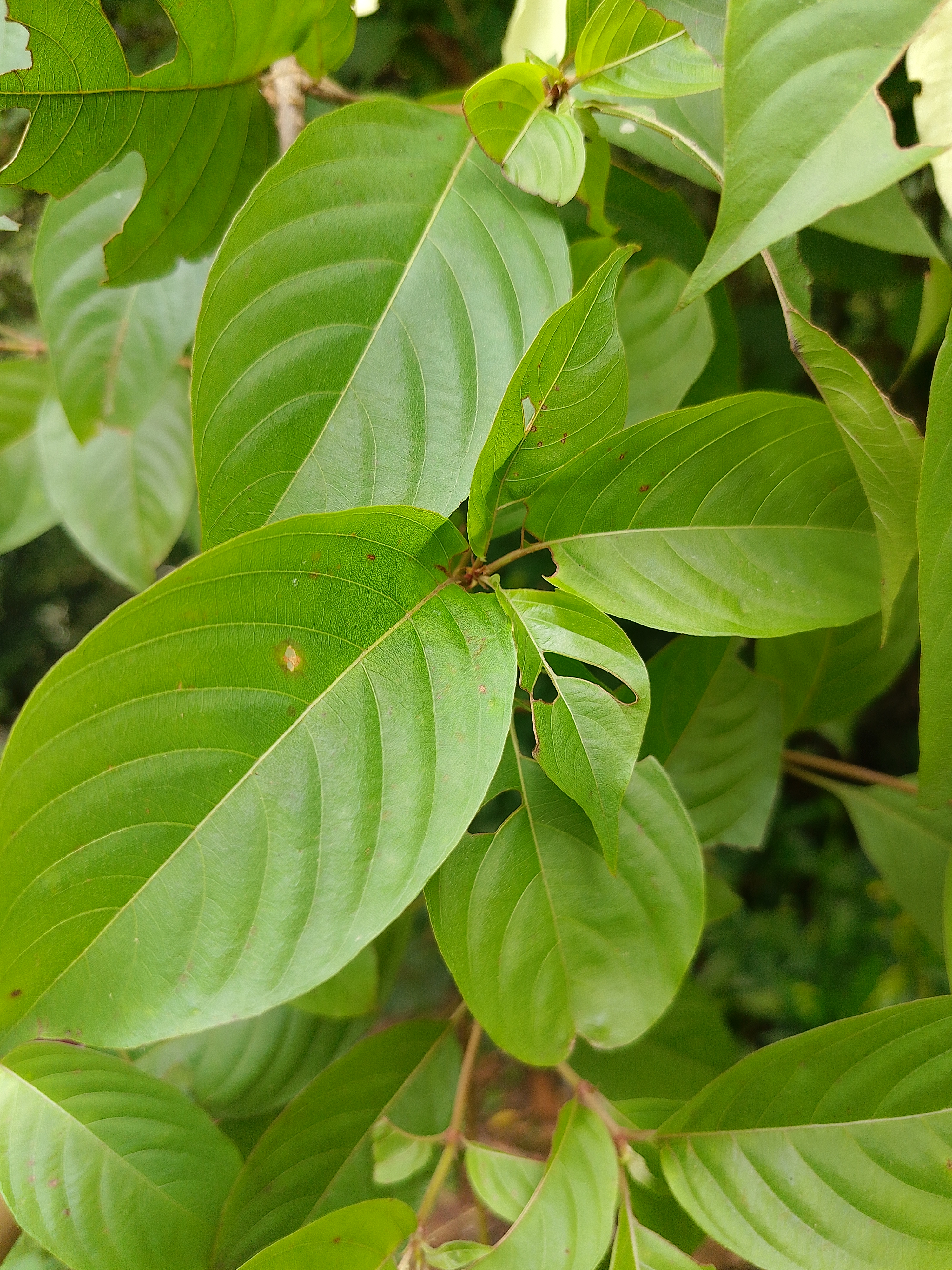
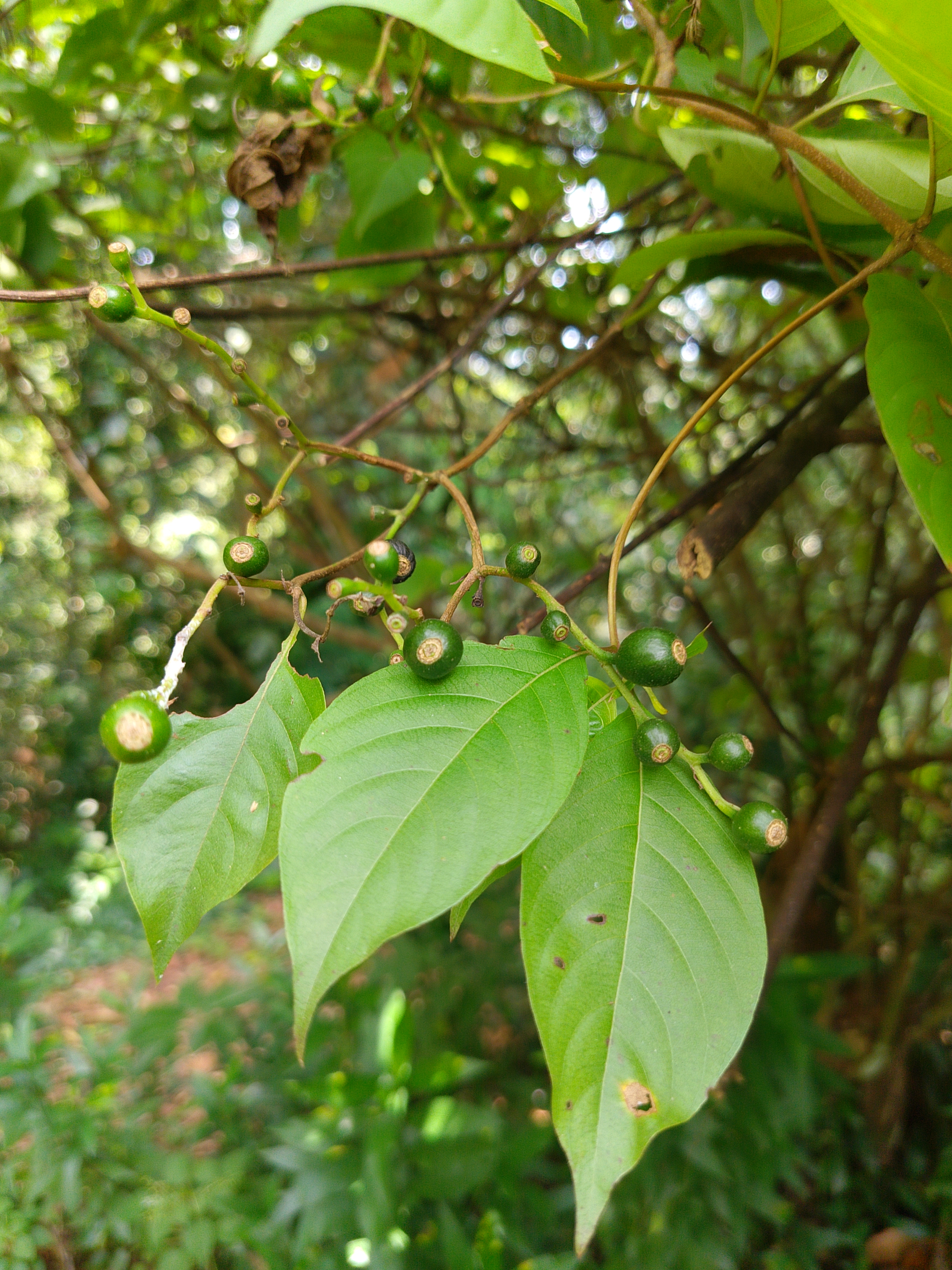
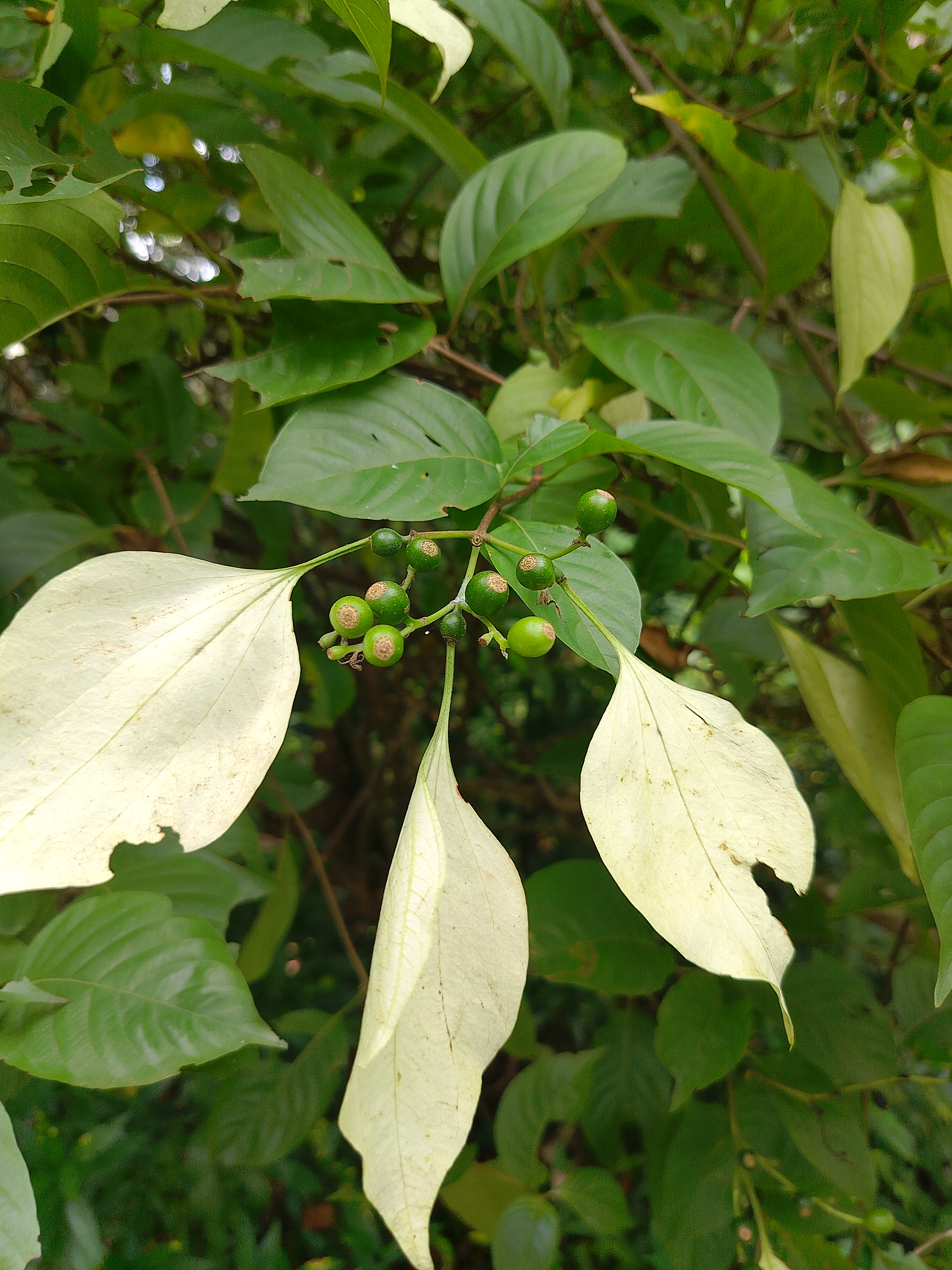
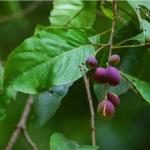
- Leaves : simple, opposite, broadly ovate, base rounded, caudate acuminate at apex. Cymes terminal, lax, tomentose.one of the calyx lobes transformed into a showy, white
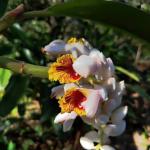
- Flowers : golden-yellow in short cymes.
Uses
Eye infections,intestinal worms, leprosy,jaundice,body ache, diarrhoea , dysentery,cough
Parts used
Root, leaves and stem
How to use
- Eye infections : The whole plant or leaves are used to produce a fresh juice, which is topically applied to treat eye infections.
- A decoction of the leaves is used to rid the body of intestinal worms.
- The juice of the roots, combined with about 10% by volume of cow's urine, is used in the treatment of jaundice. The juice is also used to treat blemishes on the tongue.
- The juice of the bark is used in the treatment of body ache, diarrhoea and dysentery.
- The flowers are diuretic. They are used in the treatment of cough
Conservation
Propagation & Cultivation
Use half-ripe wood or soft wood cuttings taken during the growing season .Select healthy, non-flowering stems, 3.5–5 inches long, comprising 3–5 nodes.
Air Layering (Marcotting): This is also an effective method for propagation. Seed: Seeds can be used but are less common for cultivated Thrives in full sun to partial shade. For optimal growth and flowering (maximum bract size), 6-8 hours of direct sunlight is recommended.Requires consistent moisture to remain lush, but avoid waterlogging to prevent root rot. Water once or twice per week or as needed.