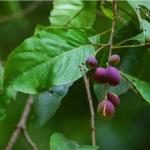
Oriental Purpleberry
Campaigns Published















Campaigns Unpublished
No Content Unpublished

Scientific name
Cipadessa baccifera (Roth) Miq
English Name
Oriental Purpleberry
Malayalam name
കൈപ്പനരഞ്ചി
Common name
Globular-flowered neem, Hill neem
Description
- Habit : Shrub
- Habitat : Scrub, deciduous, moist deciduous, semi-Evergreen forests, also in the sacred groves
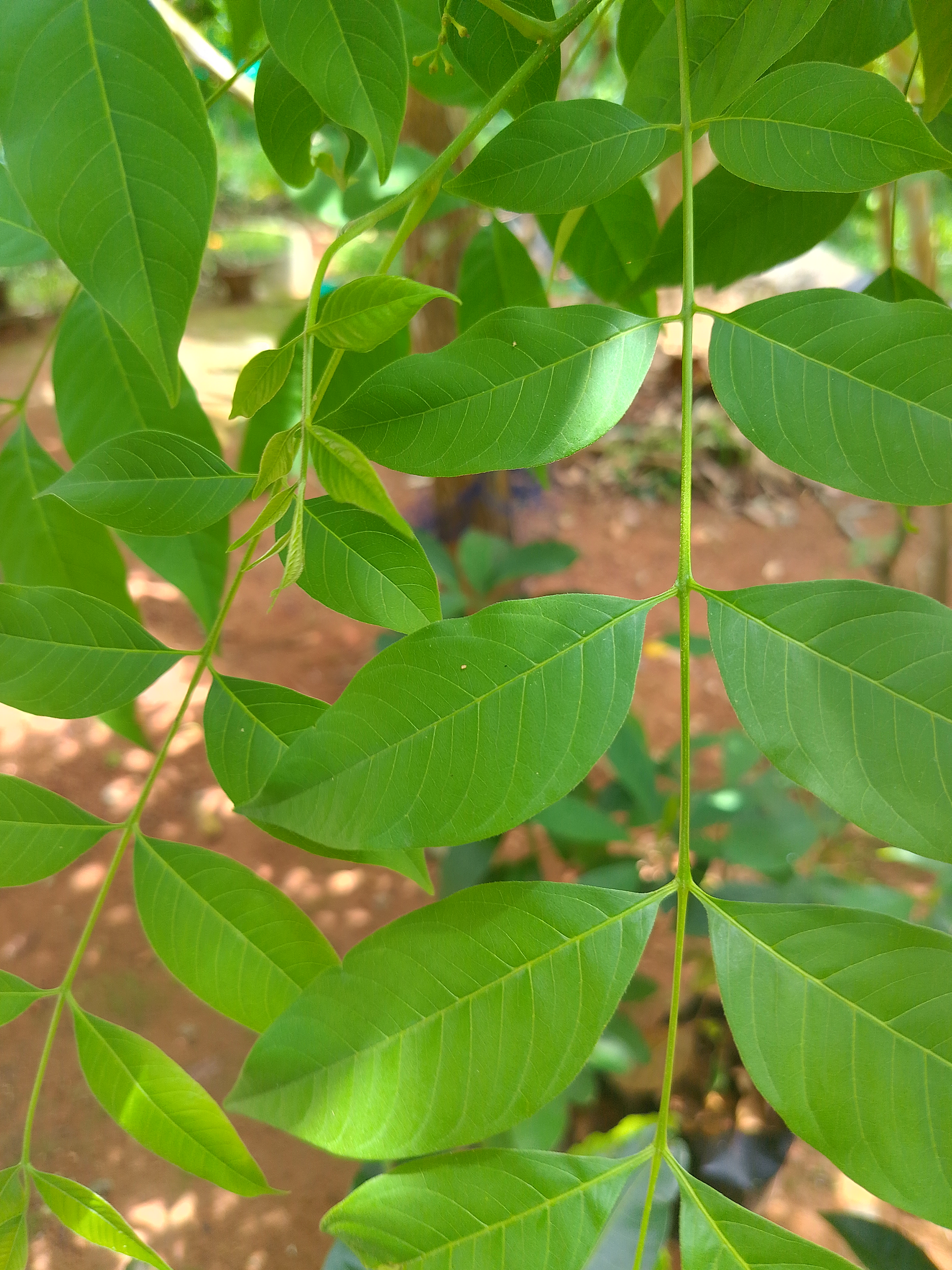
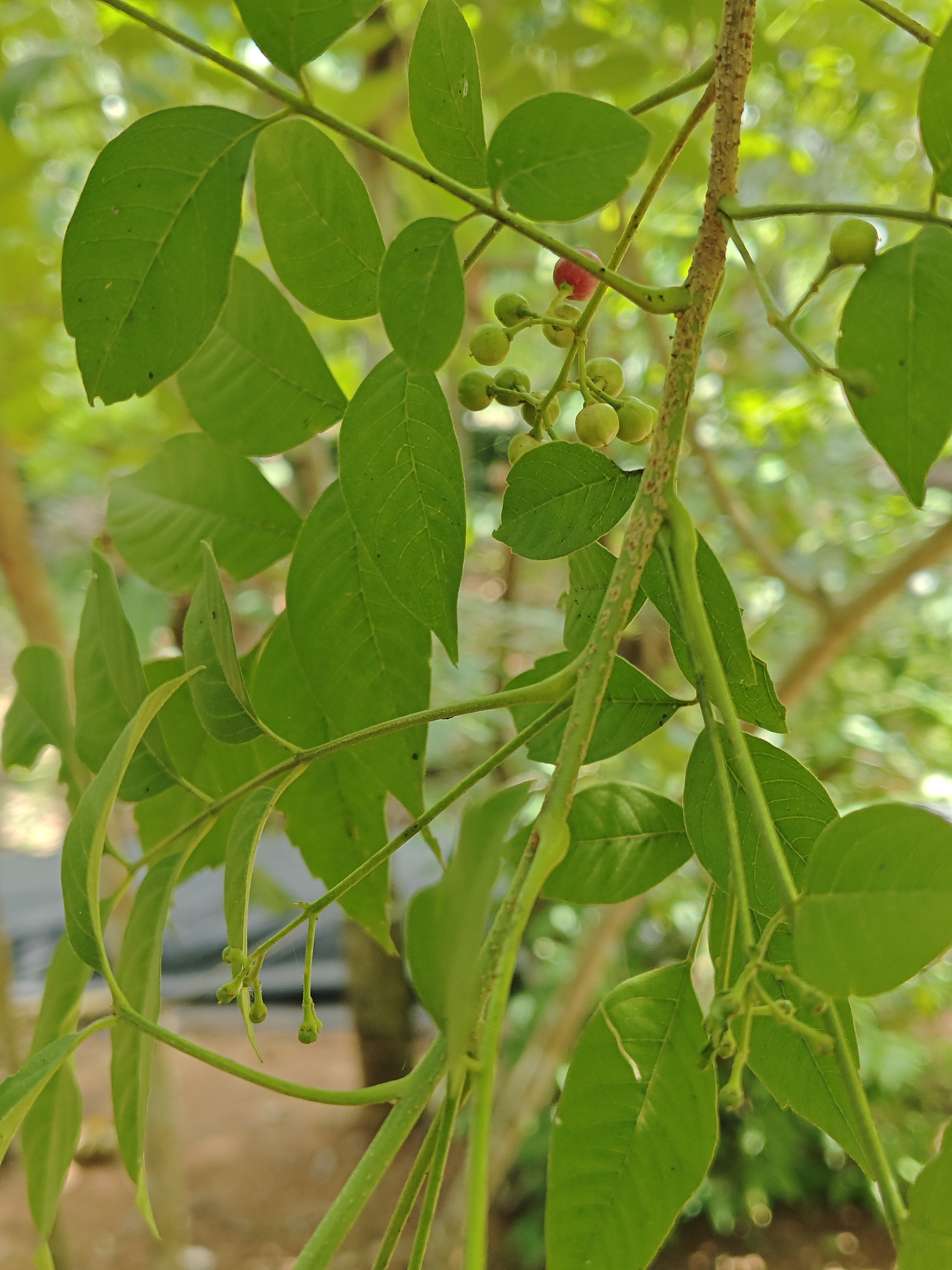
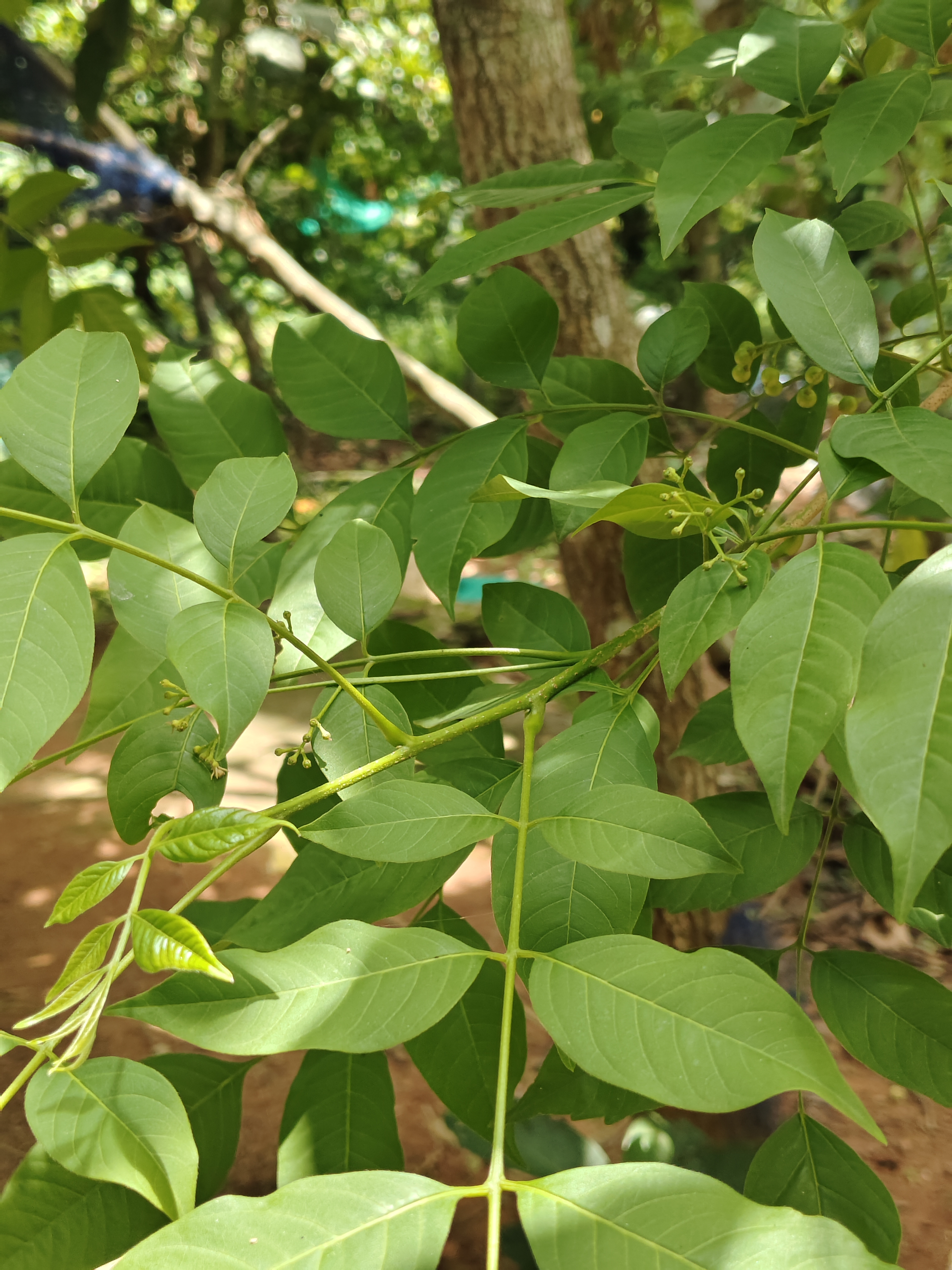
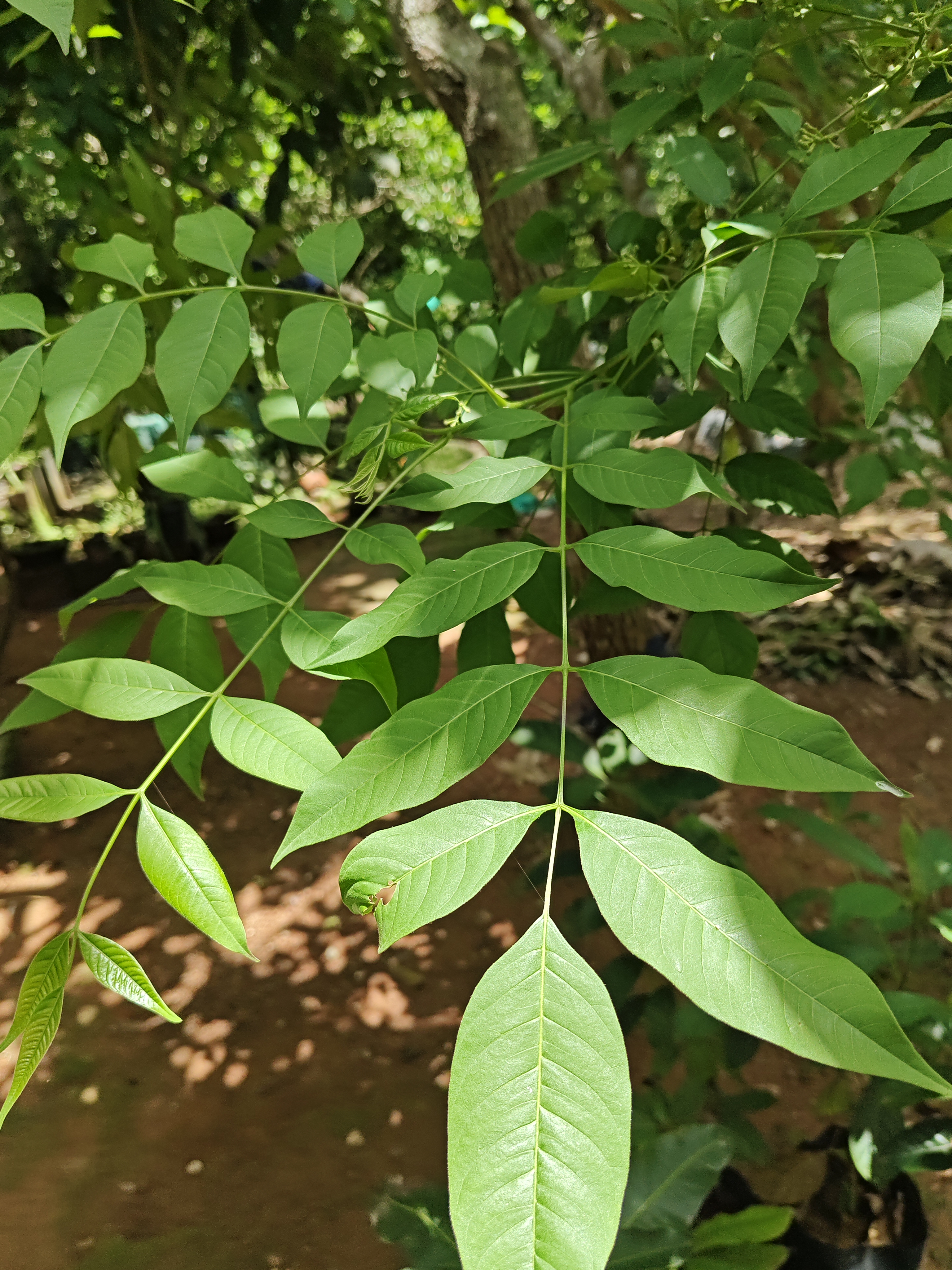
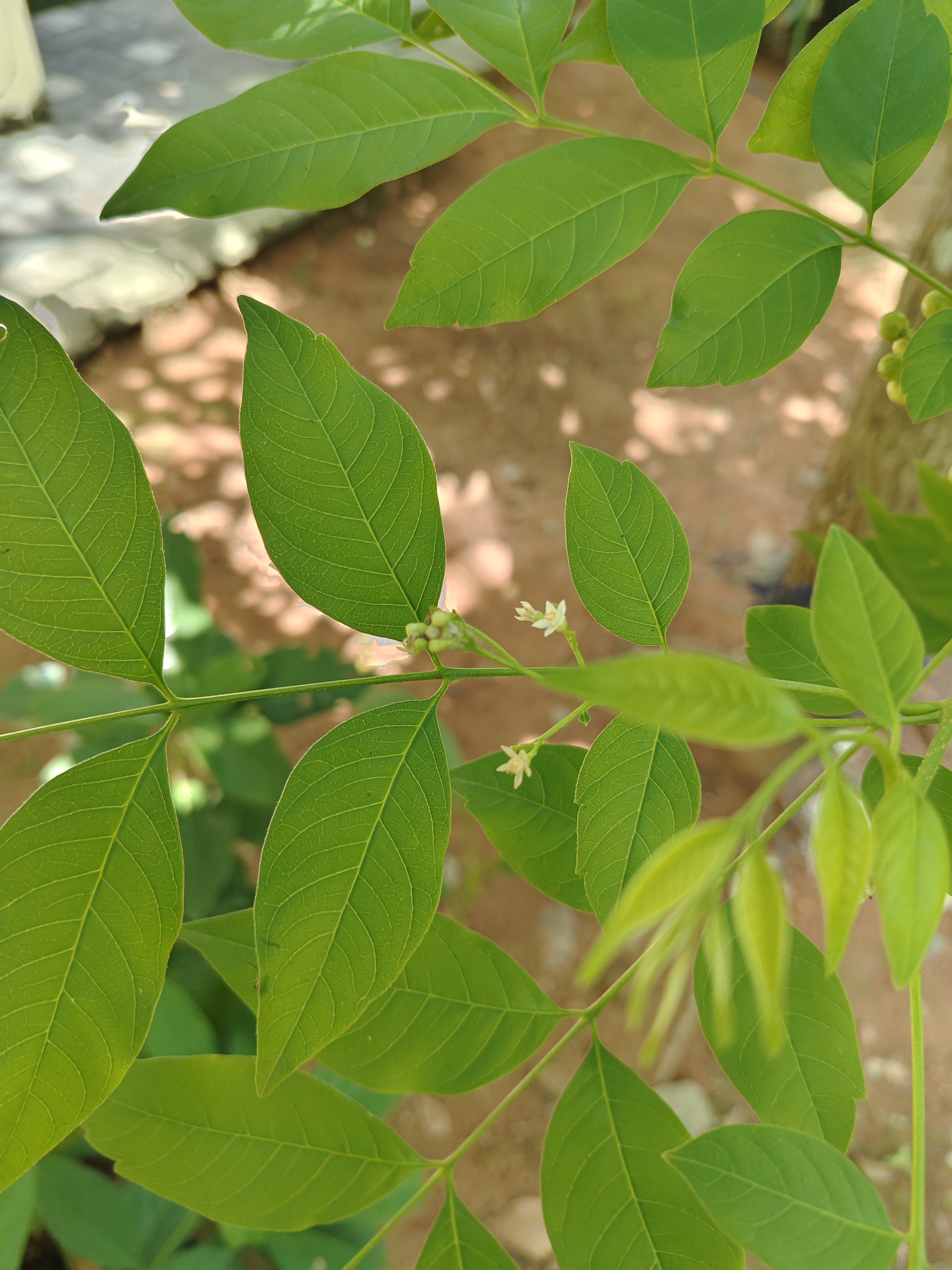
- Leaves : compound, 8-30 cm long,leaf-stalk and spine either hairless or yellow velvety , ovate to ovoid-oblong
- Flowers : white , clusters ,Sepal cup is short, yellow velvety outside. Sepals are broadly triangular. Petals are white or yellow, linear to oblong-elliptic
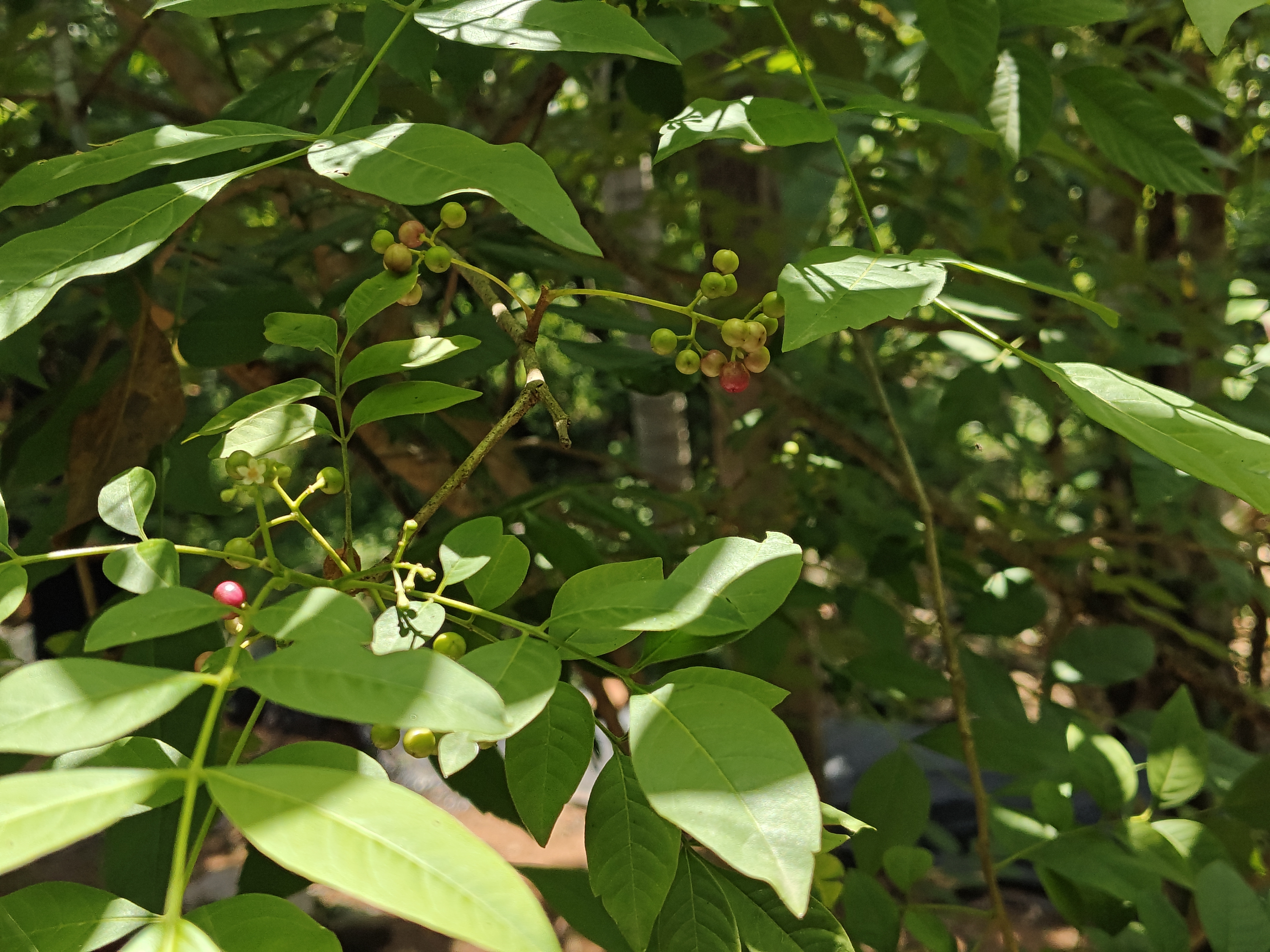
- Fruits : small, round, berry-like drupes that turn purple to black when ripe
Uses
Diabetes, skin issues, headaches, indigestion, coughs, and even snakebites
Parts used
Leaves, stem, and bark
How to use
- Dysentery and fever : Boiling bark or leaves to create a liquid for fever, dysentery.
- For wounds : Crushed root, leaf, or bark mixed with goat milk or honey for wounds and skin issues.
- Inflamed joints : Leaf poultices applied to inflamed joints.
Conservation and Propagation
Propagated mainly through seeds from its ripe purple-black fruits or by cuttings, needing well-drained soil, warmth, humidity, and bright indirect light, thriving in tropical/subtropical settings, often found in open, forested areas.