Ivory tree
Campaigns Published















Campaigns Unpublished
No Content Unpublished
Scientific name
Holarrhena pubescens Wall. ex G. Don
English Name
Ester tree, Ivory tree
Malayalam name
കുടകപ്പാല, കുടഗപ്പാല
Common name
Ester tree
Description
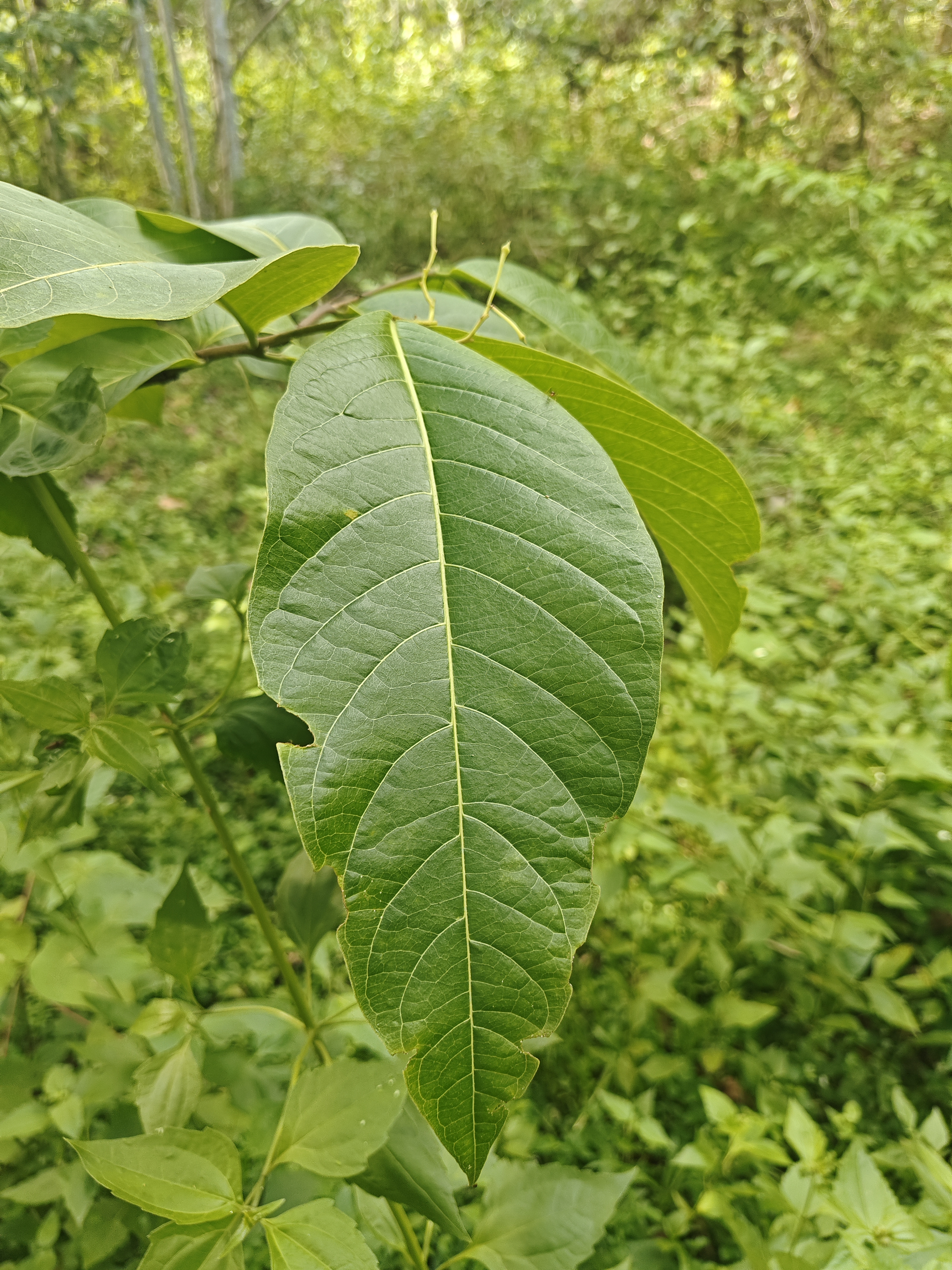
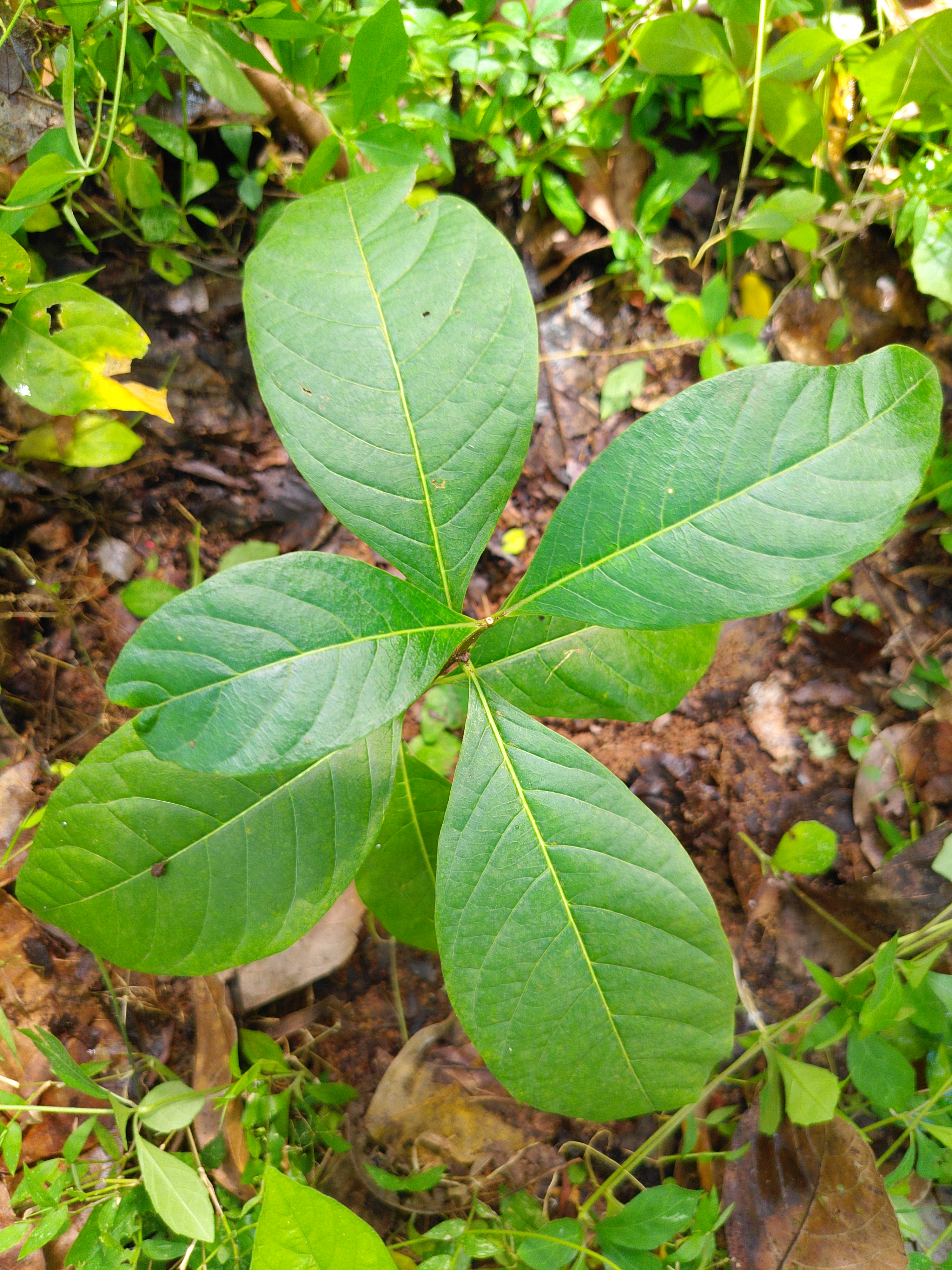
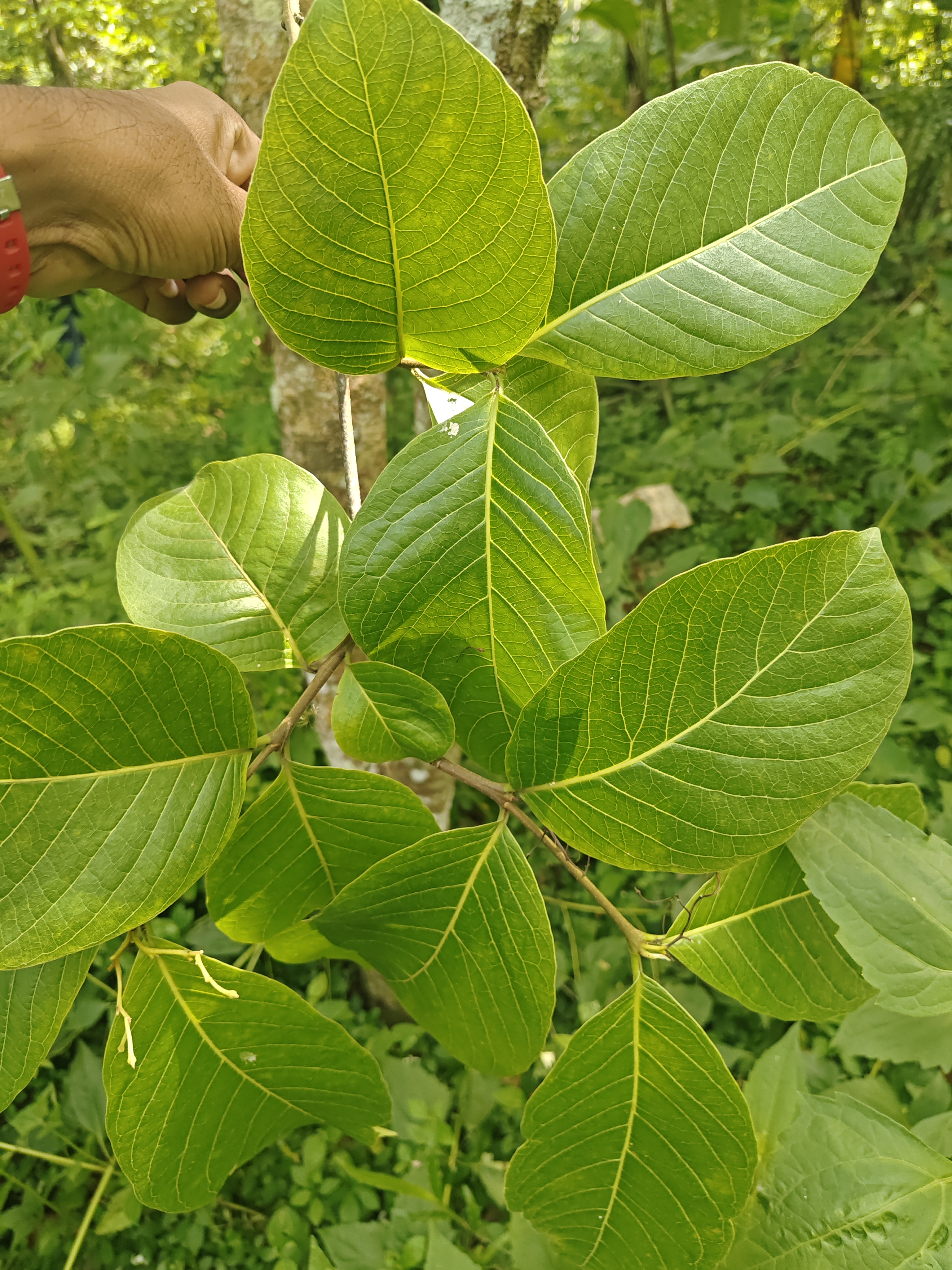
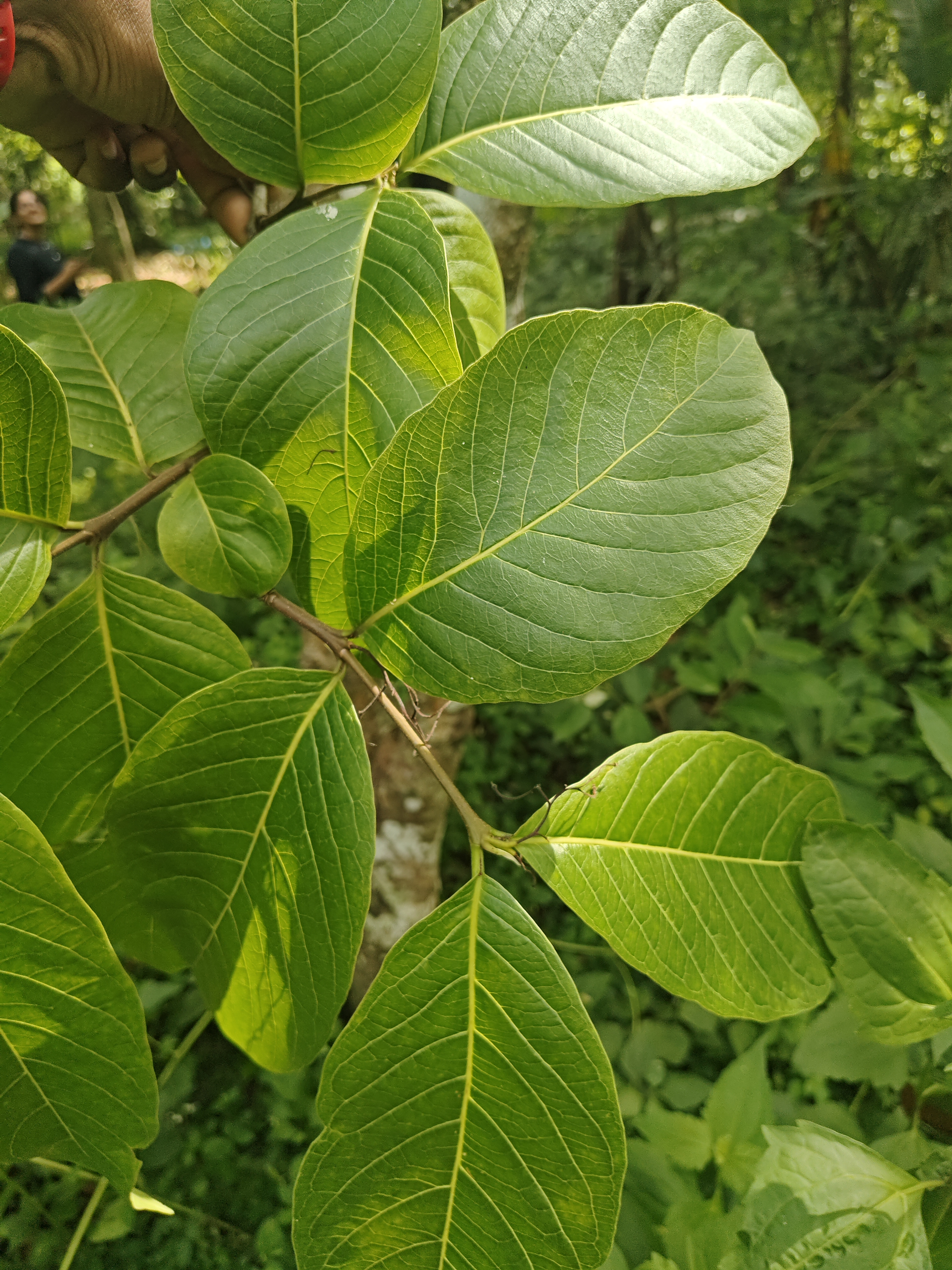
- Habit : Tree
- Habitat : Moist deciduous forests, also in the plains
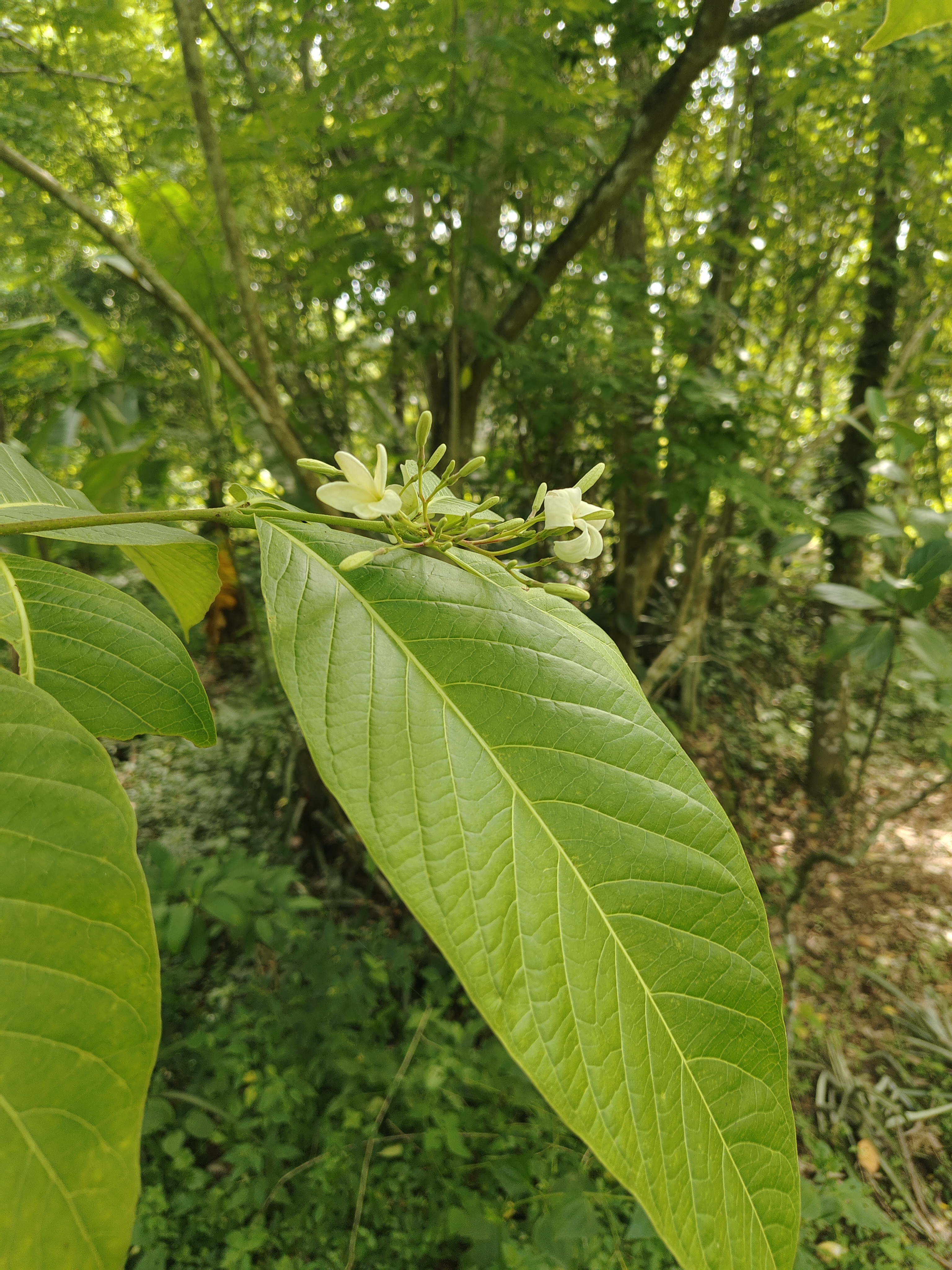
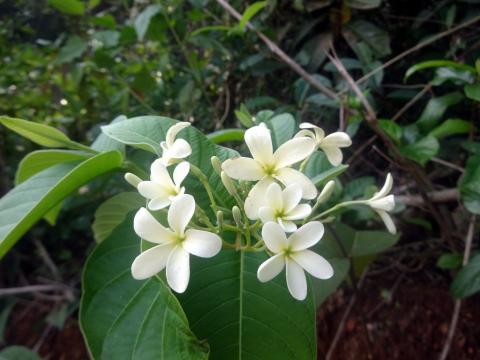
- Flowers : bisexual, creamy-white, slightly fragrant, in terminal and axillary corymbose cymes, appear along with new leaves
- Fruit : Fruit of 2 terete elongated follicular mericarps connected at the tip and then free
- Seeds : oblong, with tuft of silky brown hairs at the apex.
How to use
- Rheumatic pain, gout and paralysis : Paste made from root helps to relieve rheumatic pain, gout and paralysis.
- Dysentery, bleeding piles, intestinal worms and fever : The seed decoction is useful for relieving dysentery, bleeding piles, intestinal worms and fever.
Uses
Rheumatic pain, gout and paralysis,Dysentery, bleeding piles, intestinal worms and fever
Parts used
Root, bark and seeds
Conservation
Propagation & Cultivation
Holarrhena pubescens is frost-sensitive but recovers easily and grows on a wide range of soils. It tolerates slight shade but grows best in full sun and is drought-tolerant once established. The tree copices well, survives bush fires through sucker shoots, and reproduces abundantly from an early age. Seeds germinate during early rains, seedlings grow 10–15 cm in the first year, and growth accelerates in later years. All parts of the plant contain milky sap.